

Umm Al Quwain has introduced three legal measures in 2026 to regulate vehicle parking, establish a committee to manage funds belonging to minors and people under their care, and create a framework for public-private partnerships. Issued by Sheikh Saud bin Rashid Al Mualla, the measures aim to improve parking regulation, protect financial interests and support development projects across the emirate.
- Location: Umm Al Quwain, UAE
- Authority: Sheikh Saud bin Rashid Al Mualla, Ruler of Umm Al Quwain
- Status: One Emiri Decree and two laws issued in 2026
- Who is affected: Motorists, property developers, businesses, investors and minors whose funds require management
- Business impact: A legal framework for public-private partnerships and greater clarity around parking regulation
- What’s next: Further details on implementation will depend on the relevant legal provisions and competent authorities
Umm Al Quwain has introduced a new vehicle parking law alongside two other legal measures covering public-private partnerships and the management of funds belonging to minors. The measures were issued by Sheikh Saud bin Rashid Al Mualla, Supreme Council Member and Ruler of Umm Al Quwain, in 2026.
The new rules cover three areas: how parking is regulated across the emirate, how public and private entities can work together on development projects, and how funds belonging to minors and people under their status are protected and managed.
For residents, the parking law is particularly relevant because it covers public and private parking, including parking areas within real estate developments. The other measures focus on financial protection and creating a legal framework for investment and development.
What Does Umm Al Quwain’s New Parking Law Cover?
Law No. 5 of 2026 regulates vehicle parking across Umm Al Quwain. According to the announcement carried by the Emirates News Agency (WAM), the law applies to public and private parking, parking within areas managed by real estate developers, and other locations that the competent authority decides to bring under its provisions.
This gives the emirate a legal framework for regulating parking across different types of locations rather than limiting the rules to public spaces alone.
The inclusion of real estate developers’ areas is significant for residents living in residential communities and people visiting commercial developments. Parking arrangements in such locations may involve different property owners or operators, making a clear regulatory framework relevant to both motorists and those responsible for managing these spaces.
However, the announcement does not specify whether drivers will face new parking charges, changes to payment methods or revised fines. It also does not confirm a separate implementation date.
Motorists should therefore avoid assuming that parking fees or enforcement procedures have changed until the relevant authorities publish further details.
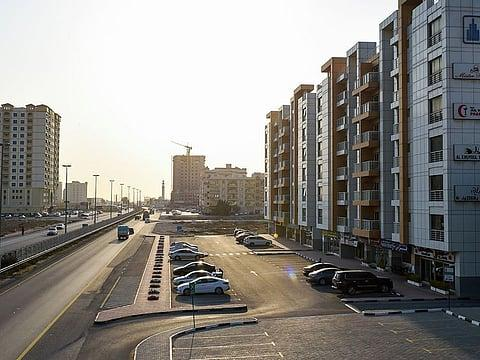
Where Could the Parking Law Apply?
The law identifies several categories of parking that may fall within its scope:
- Public parking areas across Umm Al Quwain.
- Private parking facilities.
- Parking located within real estate developers’ areas.
- Other areas designated by the competent authority under the law.
The final category allows the competent authority to determine which additional locations should be covered by the legislation, in accordance with its provisions.
For residents, visitors and businesses, further official guidance will be important to understand the practical requirements at individual parking locations.
How Will Umm Al Quwain’s Public-Private Partnership Law Support Development?
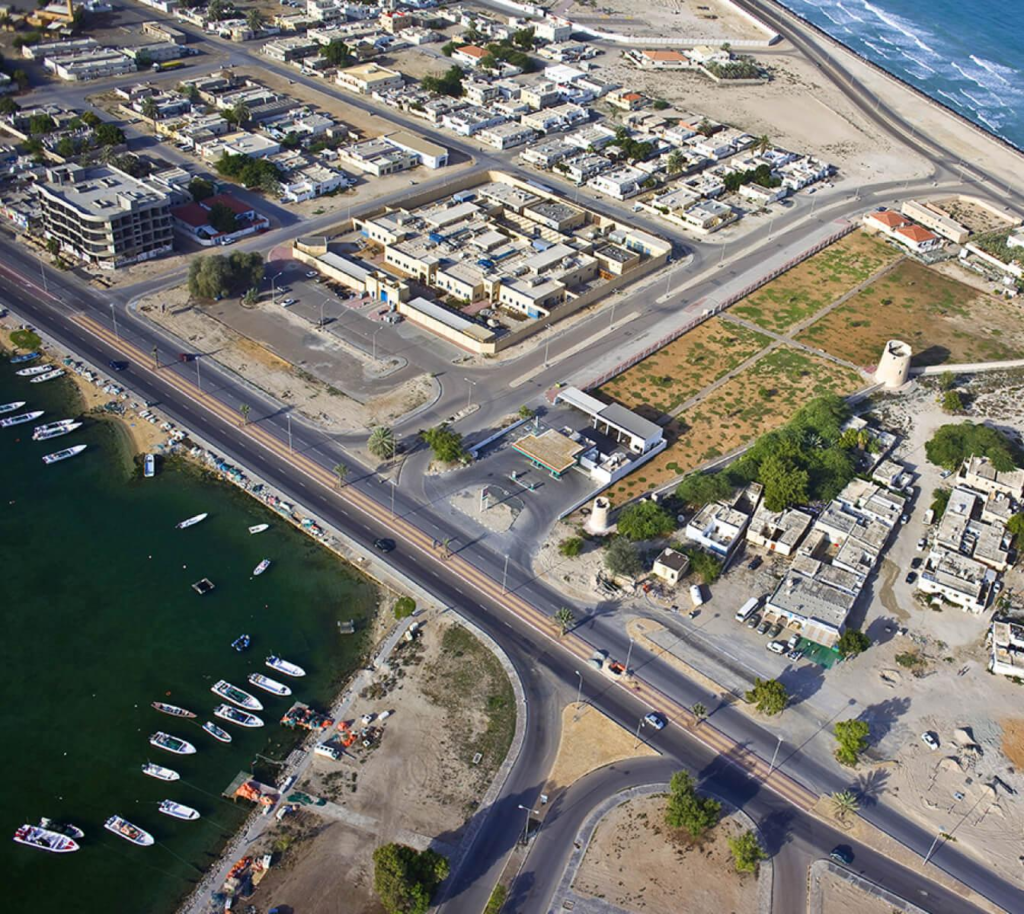
Law No. 4 of 2026 establishes a legal framework for public-private partnerships in Umm Al Quwain.
The law aims to regulate cooperation between government entities and private-sector organisations, encourage private companies to participate in development projects, and attract investment from national, regional and international sources.
Public-private partnerships, commonly known as PPPs, allow public authorities and private organisations to work together on projects or services. Depending on the structure of an individual agreement, responsibilities such as financing, construction, operation and maintenance may be shared between the parties.
These arrangements can be used in areas such as infrastructure, public facilities and services. However, the announcement does not identify specific projects that will be developed under Umm Al Quwain’s new law.
The legislation provides a framework for cooperation, but its practical impact will depend on the projects selected, the terms of individual agreements and the regulations governing their implementation.
For businesses and investors, the stated objective is to encourage private-sector participation in the emirate’s development. A defined legal framework can help establish the rules under which public and private entities work together.
Further details will be needed to determine which sectors will be prioritised, how projects will be approved and what requirements prospective partners must meet.
What Is the New Committee for Managing Minors’ Funds?
Alongside the two laws, Sheikh Saud bin Rashid Al Mualla issued Decree No. 3 of 2026 to establish the Endowment and Funds Management Committee for Minors and Those Under Their Status in Umm Al Quwain.
The committee’s stated purpose is to care for, preserve, manage and invest the funds of minors and people covered by the decree in a way that serves their interests.
Its work is to follow the provisions of the decree, the Personal Status Law and the principles of Islamic Sharia.
Managing money on behalf of minors requires safeguards because they may not have the legal capacity to make independent financial decisions. A designated framework for overseeing these funds can help ensure that financial interests are managed in line with applicable legal requirements.
The decree specifically addresses the management and preservation of these funds, including investment intended to serve the beneficiaries’ interests.
The announcement does not provide further details about the committee’s membership, its operational procedures or the process families must follow to access its services. Those details would need to be confirmed through the relevant official guidance.
Why Do These Three Legal Measures Matter?
Although the three measures cover different subjects, each addresses an area of public administration in Umm Al Quwain.
The parking law establishes a framework for regulating vehicle parking across public, private and designated development areas. This is relevant to motorists, property managers and businesses operating in locations covered by the legislation.
The public-private partnership law focuses on development and investment. By setting out a legal framework for cooperation between the public and private sectors, it aims to encourage companies to participate in projects that support the emirate’s development.
The decree on minors’ funds addresses financial protection. It establishes a committee responsible for managing and preserving the assets of minors and other individuals covered by the decree.
Together, the measures cover transport-related regulation, economic development and financial oversight. Their practical effects will depend on how the laws and decree are implemented and what further guidance the relevant authorities issue.
Why It Matters for UAE Residents and Businesses
For people living in Umm Al Quwain, the parking law is the measure most likely to be relevant to everyday activities. Residents, visitors and property managers should check official notices for any future instructions affecting parking locations.
Businesses and investors may be interested in the public-private partnership framework as the emirate continues to pursue development opportunities. However, no specific projects, investment commitments or financial incentives were detailed in the announcement.
Families and guardians managing funds on behalf of minors may also wish to follow further updates about the new committee and its responsibilities.
At this stage, the three measures establish their respective legal frameworks and objectives. Any changes to parking procedures, partnership requirements or committee services should be assessed against further official announcements rather than assumptions about how the rules will work in practice.
FAQs
1. What is Umm Al Quwain’s new parking law?
Law No. 5 of 2026 regulates vehicle parking in Umm Al Quwain. It covers public and private parking, areas within real estate developments and other locations designated by the competent authority.
2. Who issued the new laws in Umm Al Quwain?
Sheikh Saud bin Rashid Al Mualla, Supreme Council Member and Ruler of Umm Al Quwain, issued one Emiri Decree and two laws in 2026.
3. Will motorists have to pay new parking fees in Umm Al Quwain?
The announcement does not confirm new parking fees, revised fines or changes to payment methods. Motorists should wait for official guidance before assuming that charges or procedures have changed.
4. What does the public-private partnership law aim to achieve?
Law No. 4 of 2026 establishes a legal framework for cooperation between the public and private sectors. It aims to encourage private-sector participation in development projects and attract national, regional and international investment.
5. What is the purpose of the new committee for minors’ funds?
Decree No. 3 of 2026 establishes a committee to care for, preserve, manage and invest the funds of minors and those under their status, in accordance with the decree, the Personal Status Law and Islamic Sharia.
Umm Al Quwain’s three new legal measures address parking regulation, private-sector participation in development and the protection of minors’ funds. While they establish important frameworks for these areas, further official details will clarify how the provisions will work in practice, particularly for motorists and businesses.
Follow Social Kandura for more updates on local news and things to do in Dubai and across the UAE.