

Dubai has changed dramatically over the past few decades, turning open stretches of land, traditional trading areas and coastal locations into some of the world’s most recognisable urban destinations. From the historic Dubai Creek to the modern skyline of Downtown Dubai, these 10 places highlight how the emirate has developed while continuing to preserve parts of its heritage.
The transformation affects residents, businesses, tourists and communities across the city, offering a glimpse into Dubai’s journey from a regional trading centre to a major international destination.
- Location: Across Dubai, UAE
- Key organisations: Dubai Municipality, Dubai Culture, Dubai Airports, Emaar and Nakheel
- Period covered: 1950s to 2026
- Who is affected: Residents, tourists, businesses and long-time Dubai communities
- Business impact: Growth in tourism, real estate, retail, aviation and commercial districts
- What’s next: Dubai’s development continues under the Dubai 2040 Urban Master Plan
Dubai’s transformation over the decades is visible in almost every part of the city. Areas that once had open desert landscapes, traditional trading boats and small residential communities have developed into busy commercial districts, waterfront neighbourhoods and major tourist attractions.
The story of Dubai then and now is not just about taller buildings or new roads. It also reflects changes in transport, tourism, trade, housing and everyday life. While places such as Palm Jumeirah and Downtown Dubai represent modern development, neighbourhoods such as Al Fahidi and Deira Creek continue to preserve the city’s history.
Here are 10 Dubai locations that show just how much the emirate has changed.
1. Dubai Creek: From Traditional Trading Port to a Modern Waterfront
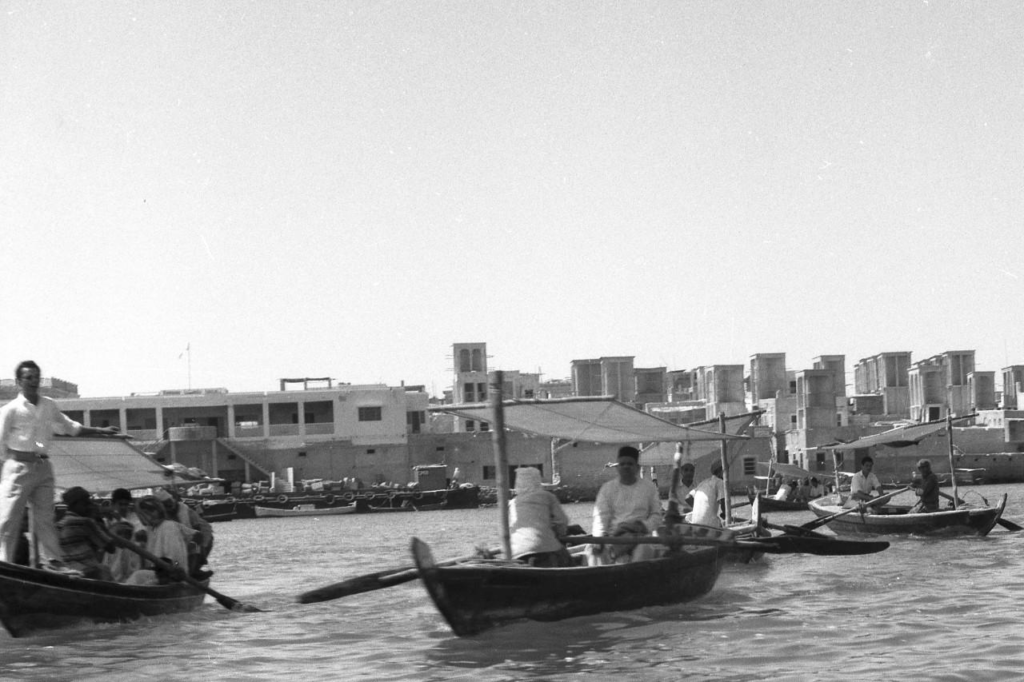
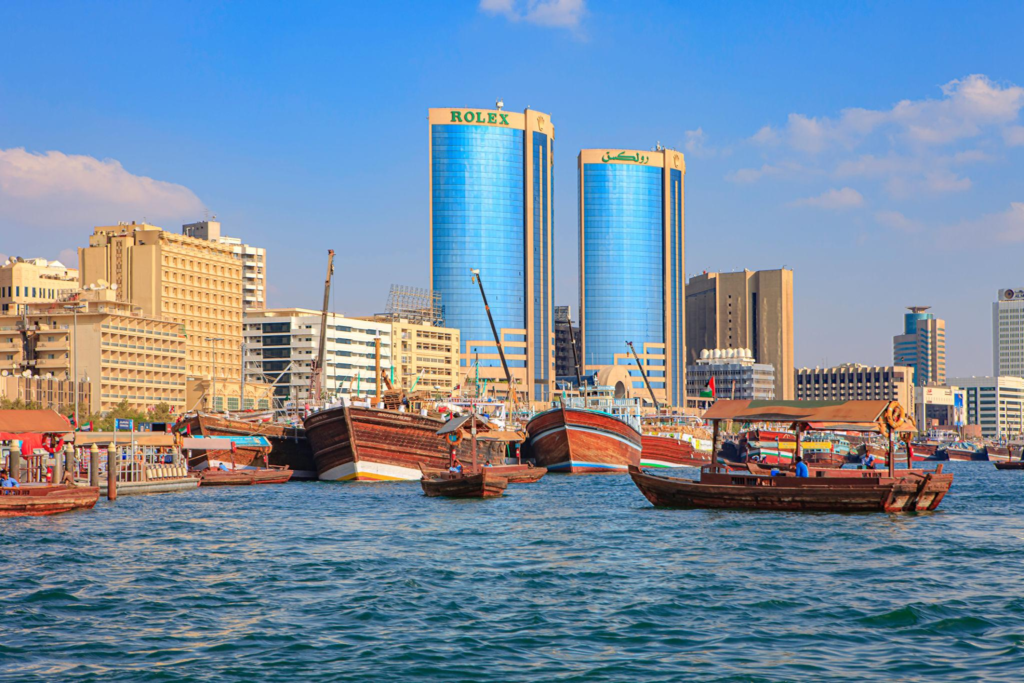
Dubai Creek played an important role in the city’s early economy. Before modern commercial districts took shape, it served as a busy trading route where merchants transported goods using traditional wooden dhows.
The surrounding areas of Deira and Bur Dubai developed around this waterway, with markets, warehouses and trading businesses supporting local commerce.
Today, Dubai Creek continues to connect the two historic sides of the city. Traditional abras still carry passengers across the water, while the surrounding waterfront features hotels, restaurants and restored heritage areas.
Dubai Municipality records the Creek’s dredging in 1959 as an important milestone in the city’s development. The project helped accommodate larger vessels and support expanding trade.
2. Sheikh Zayed Road: From Open Land to a Skyline of Skyscrapers

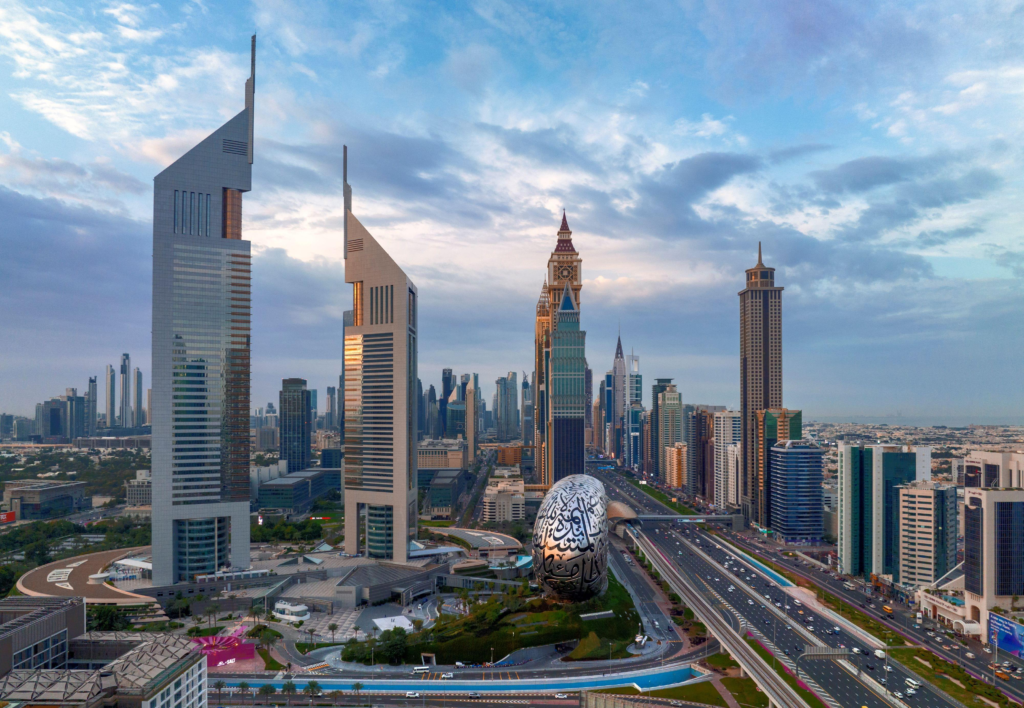
Sheikh Zayed Road is now one of Dubai’s most recognisable highways, but its surroundings looked very different during the city’s earlier development years.
Historical photographs from the 1970s show a much less developed landscape, with fewer buildings and large stretches of open land. As Dubai expanded, the highway became an important route connecting commercial and residential areas.
Today, the road is lined with high-rise towers, hotels, offices and major developments. The Emirates Towers, Museum of the Future and Dubai World Trade Centre are among the landmarks that have shaped its surroundings.
The transformation reflects Dubai’s growth as a business and financial destination, with Sheikh Zayed Road remaining a major transport corridor.
3. Downtown Dubai: From Undeveloped Land to a Global Landmark District
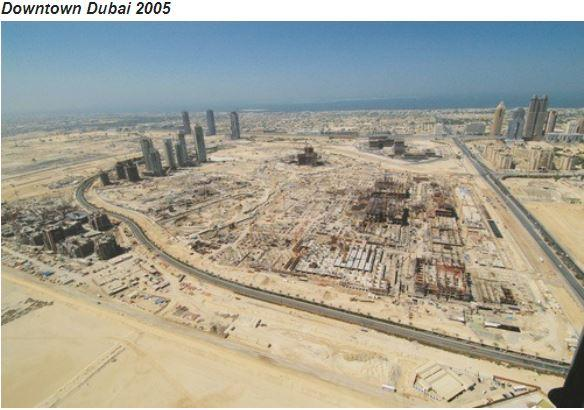
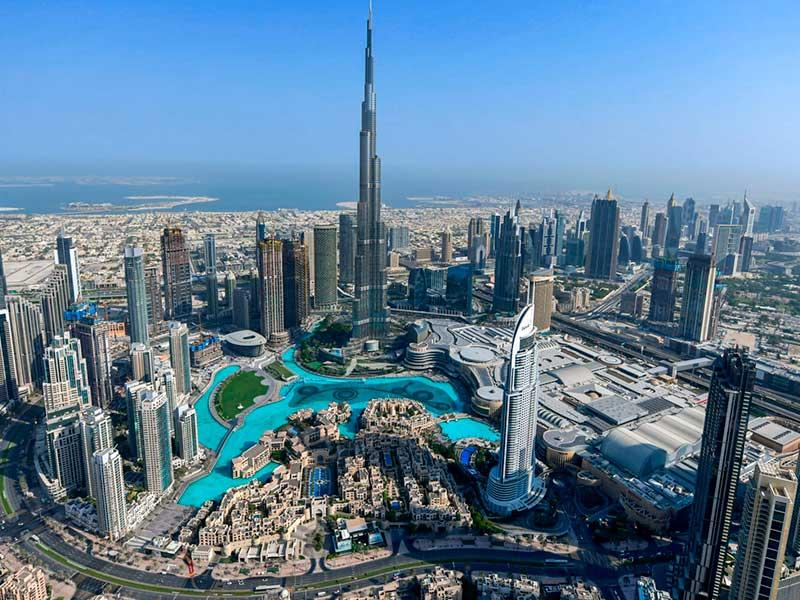
It is difficult to imagine Downtown Dubai without the Burj Khalifa dominating its skyline. However, the area looked very different before the large-scale development began.
Emaar developed the district into one of Dubai’s major mixed-use destinations, bringing together residential towers, hotels, retail and entertainment attractions.
Today, Downtown Dubai is home to Burj Khalifa, Dubai Mall, Dubai Fountain and Dubai Opera. It attracts residents and international visitors throughout the year.
The district also reflects how large-scale developments have helped shape Dubai’s tourism and property sectors.
4. Dubai Marina: From Open Coastline to a Waterfront Community
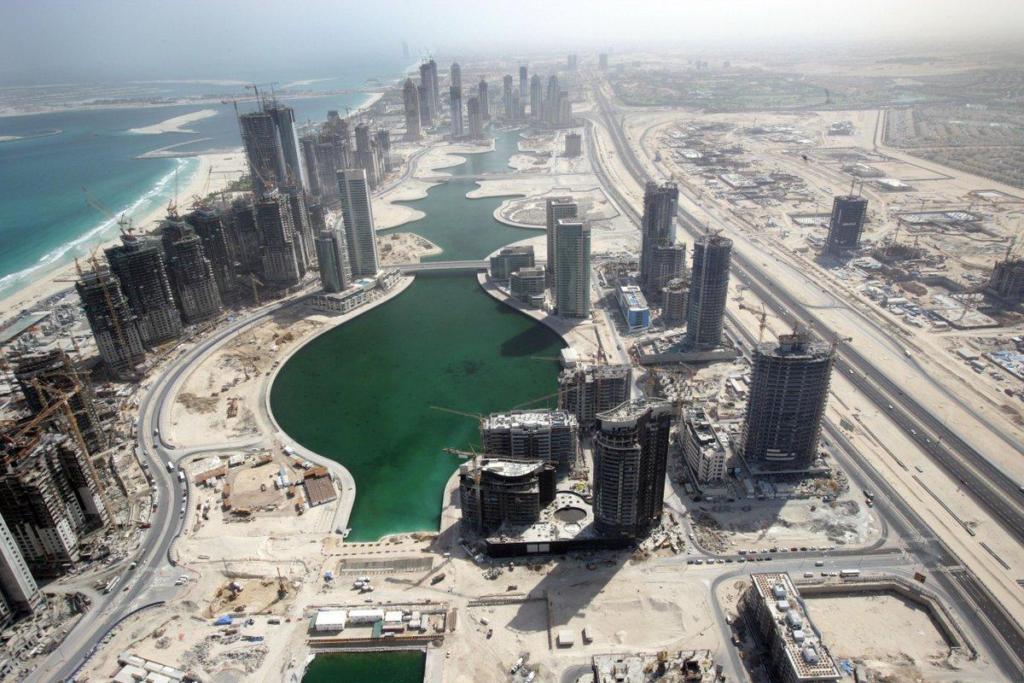
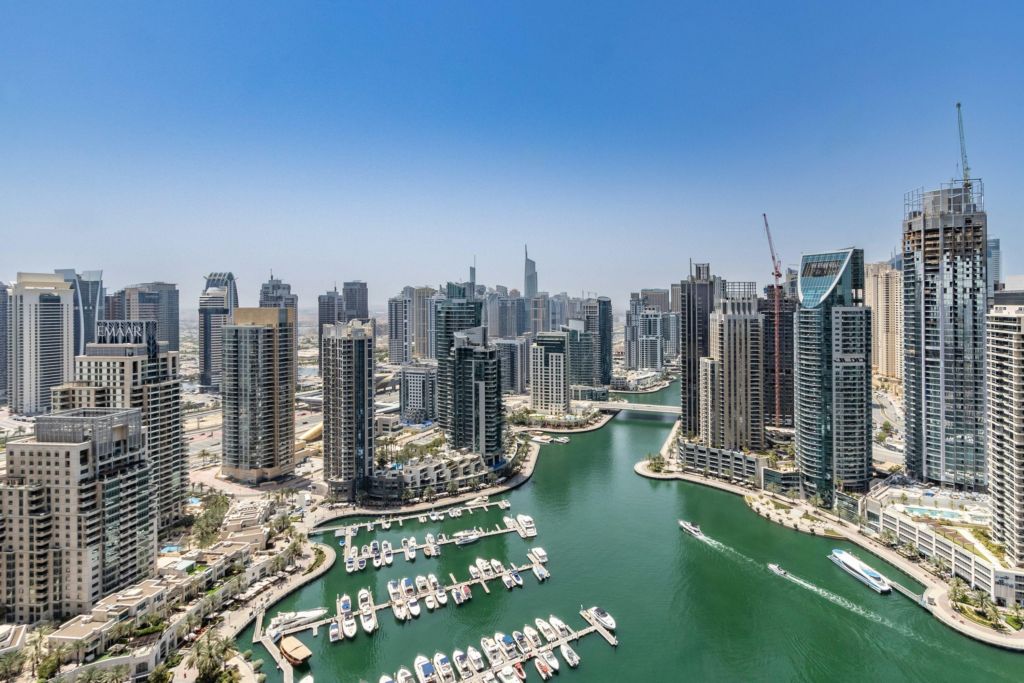
Dubai Marina is now known for its residential towers, waterfront restaurants, yachts and busy walking areas. However, before its development, this part of Dubai had a very different landscape.
Emaar launched the Dubai Marina project in 2000, introducing a large waterfront development built around an artificial canal.
The neighbourhood gradually developed into a residential and lifestyle destination, attracting professionals, families and international residents.
Today, Dubai Marina Walk, its residential towers and waterfront dining options make it one of the city’s most recognisable neighbourhoods.
5. JBR: From an Undeveloped Coastal Stretch to a Beachfront Destination
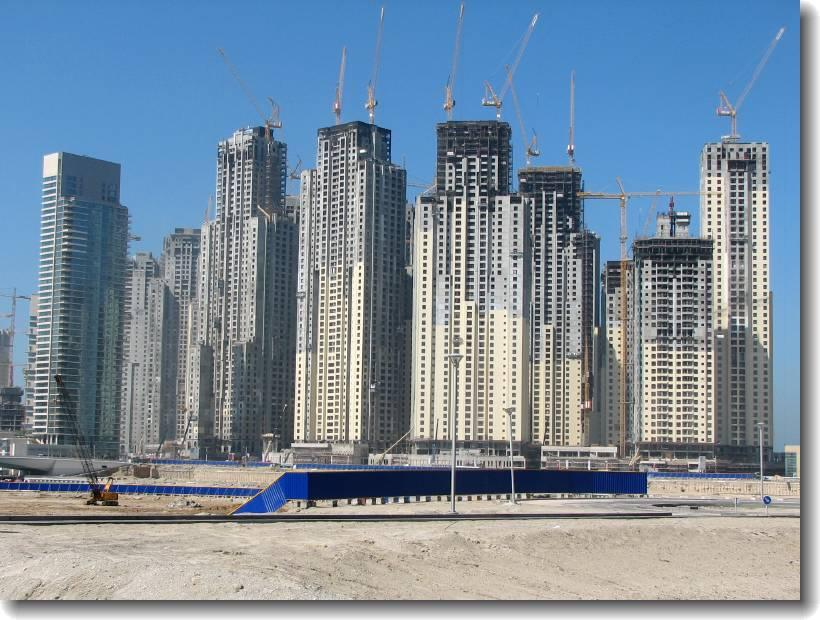
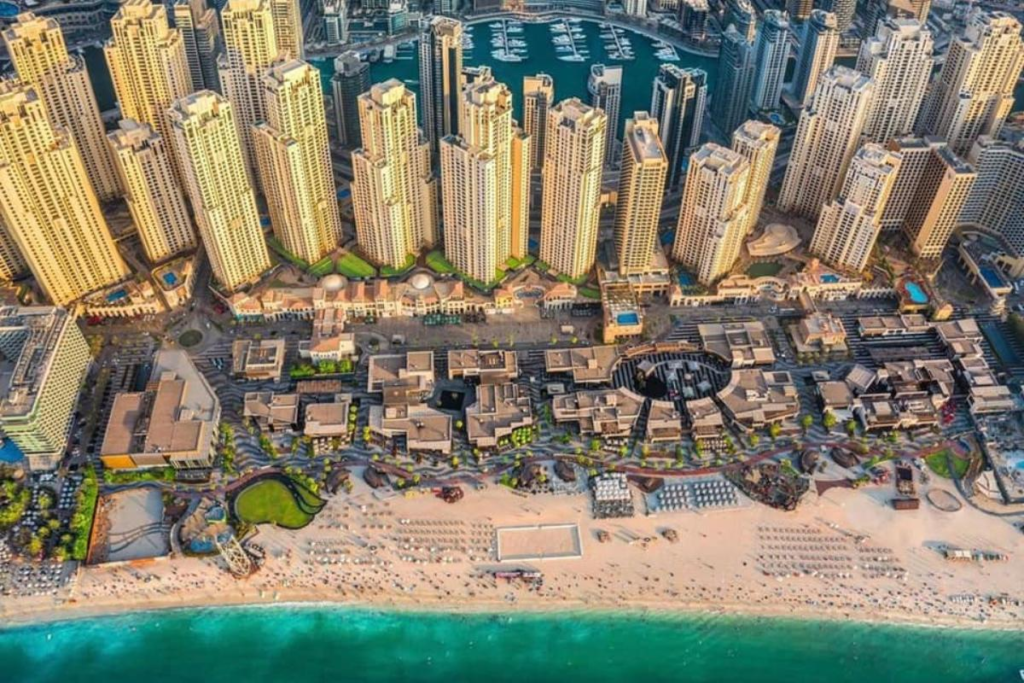
Jumeirah Beach Residence, commonly known as JBR, has become a popular destination for beachfront living, shopping and dining.
However, the area was not always filled with residential towers and restaurants. Historical photographs from the early 2000s show a much less developed stretch of coastline before the neighbourhood took shape.
Today, JBR features residential buildings, The Walk, beachfront restaurants and leisure attractions. Its location near Dubai Marina and Bluewaters Island has also helped establish it as a busy lifestyle destination.
The change shows how Dubai has developed its coastline into residential and tourism-focused communities.
6. Palm Jumeirah: From Open Sea to an Artificial Island
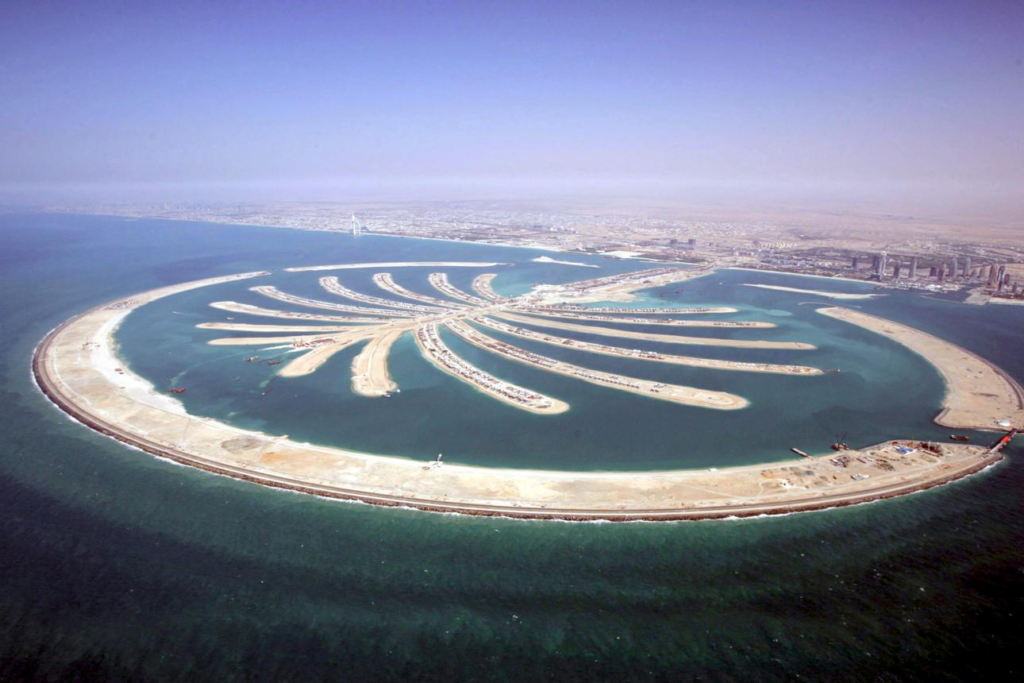
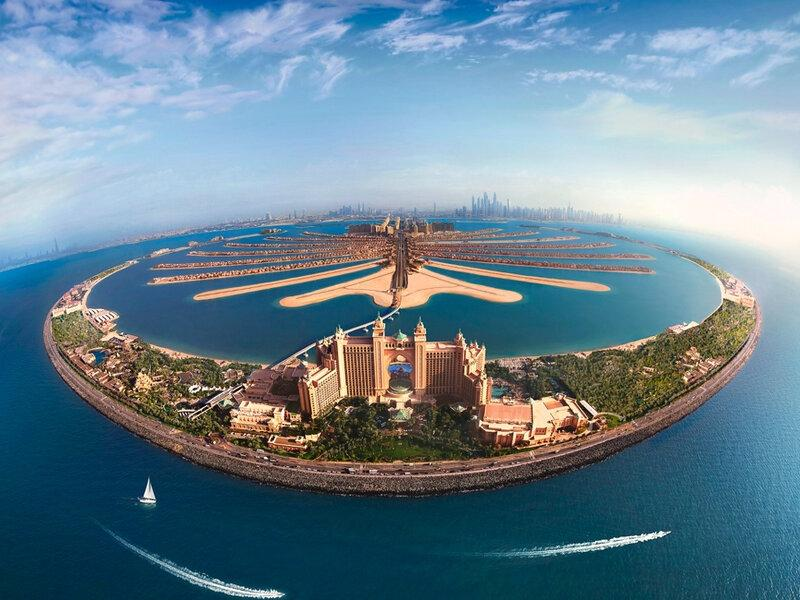
Palm Jumeirah is one of the clearest examples of how Dubai has changed its geography through large-scale development.
Before construction, the area was part of the Arabian Gulf. Nakheel launched the Palm Jumeirah project in 2001, creating an artificial island in the shape of a palm tree.
The development introduced new residential communities, hotels, beach clubs and leisure attractions along Dubai’s coastline.
Today, Palm Jumeirah is home to Atlantis The Palm, Atlantis The Royal, Nakheel Mall and several beachfront properties. It has also become one of Dubai’s most photographed locations.
7. Dubai International Airport: From a Sand Runway to a Global Aviation Hub
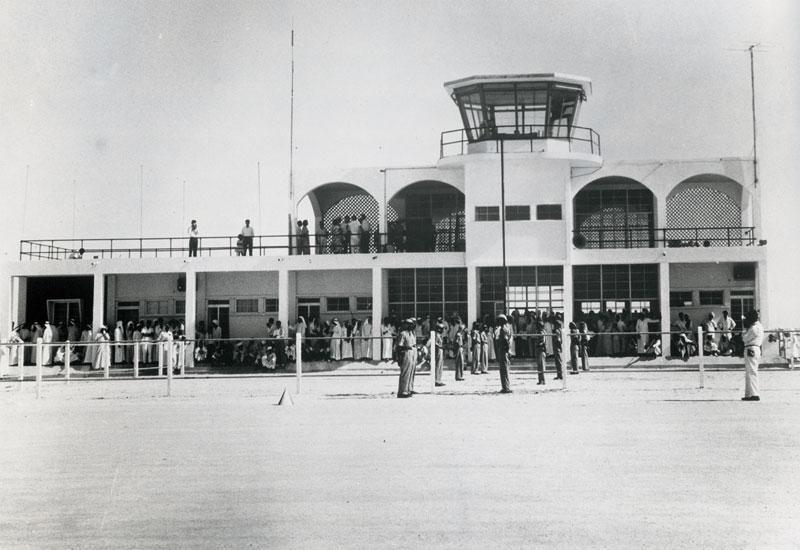
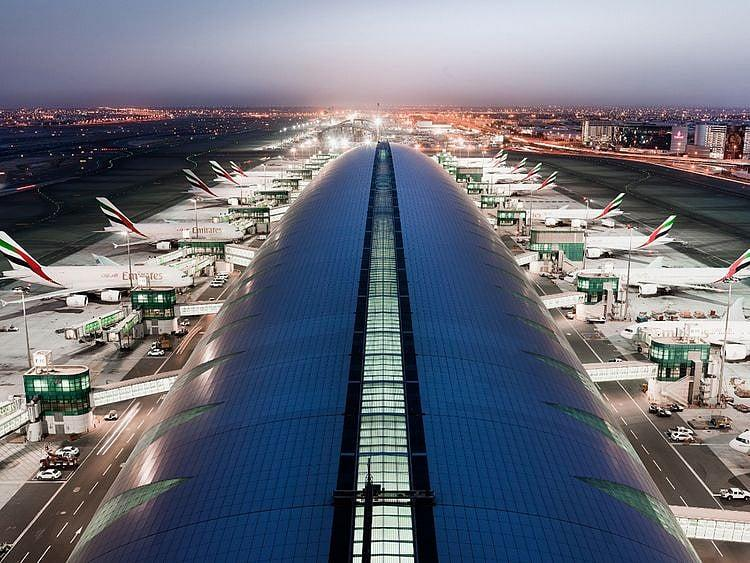
Dubai International Airport (DXB) has come a long way since it first opened in 1960.
According to Dubai Airports, the airport initially operated with a compacted sand runway and a small terminal building. Its facilities were designed to serve a much smaller number of passengers than the airport handles today.
Over the years, additional runways, terminals and passenger facilities helped DXB grow into an important international aviation hub.
Today, the airport connects Dubai with destinations across the world and supports the emirate’s tourism, hospitality and business sectors.
Its development also reflects the growth of Emirates airline and Dubai’s position as an international travel and transit destination.
8. Dubai World Trade Centre: From a Single Tower to a Business District

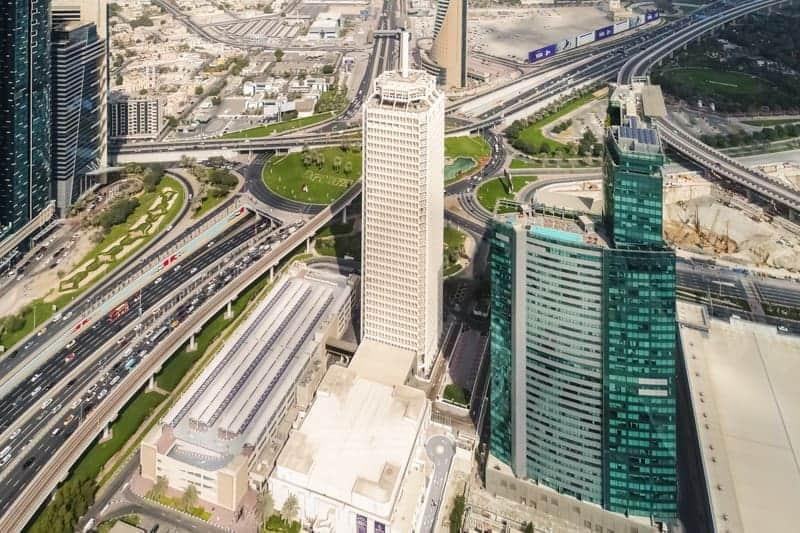
When Rashid Tower, now part of Dubai World Trade Centre (DWTC), opened in 1979, it stood out against a much smaller city skyline.
The building became an important symbol of Dubai’s growing commercial ambitions. At the time, it was among the tallest buildings in the region and helped establish the area as a business destination.
Today, the surrounding district includes exhibition halls, hotels, offices, restaurants and transport connections. DWTC also hosts major international exhibitions, conferences and business events.
The development reflects Dubai’s shift towards becoming a regional centre for trade, finance and international business.
9. Deira Clocktower: A Historic Landmark in a Changing Neighbourhood
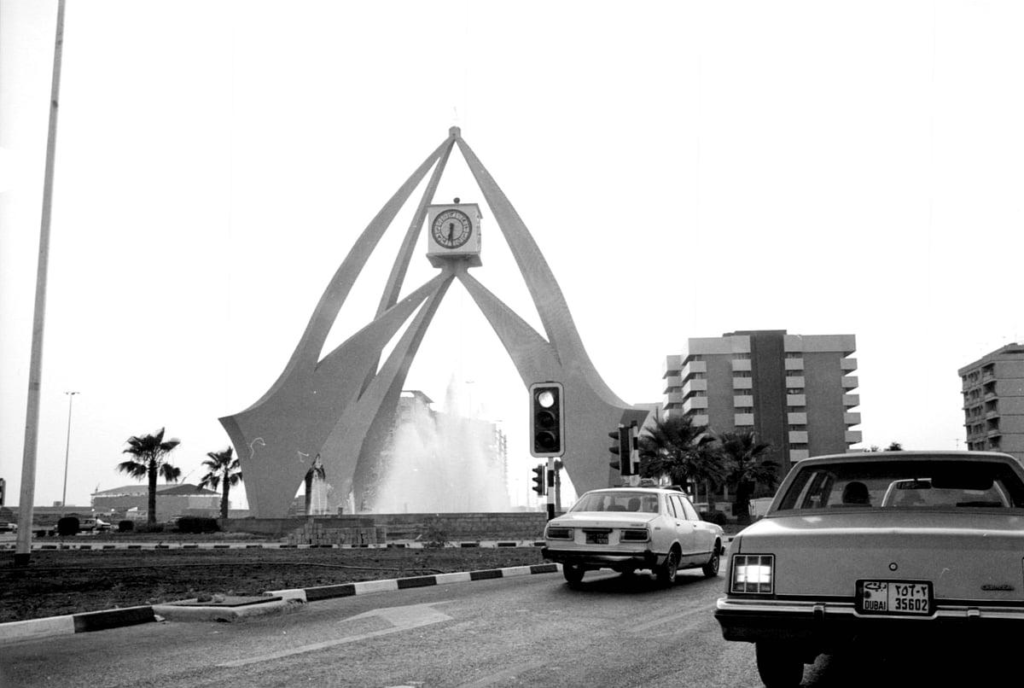
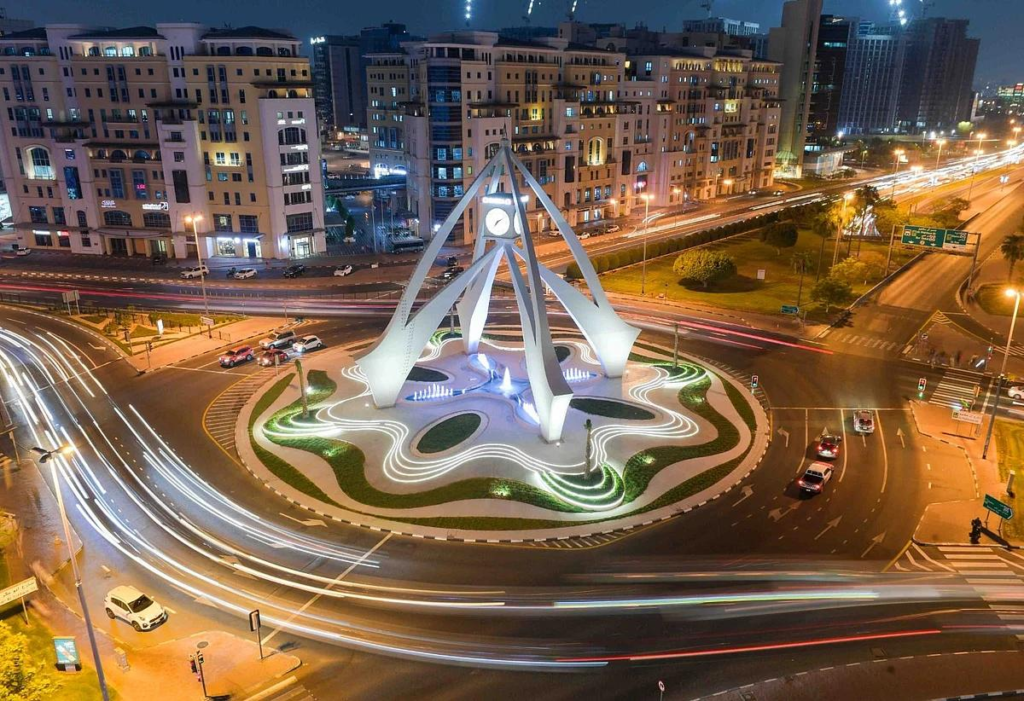
Unlike the city’s newer landmarks, Deira Clocktower has remained a familiar part of Dubai’s identity.
Built in 1965, the structure became an important road landmark connecting key routes in Deira and the wider city. Its design has also made it one of Dubai’s recognisable examples of modern heritage architecture.
The surrounding roads and buildings have changed significantly as Deira developed into a busy commercial and residential district.
The Clocktower itself has undergone renovation, including improvements to its landscaping and surrounding area. Its continued presence offers a reminder of an earlier period in Dubai’s urban history.
10. Al Fahidi Historical Neighbourhood: Preserving Old Dubai
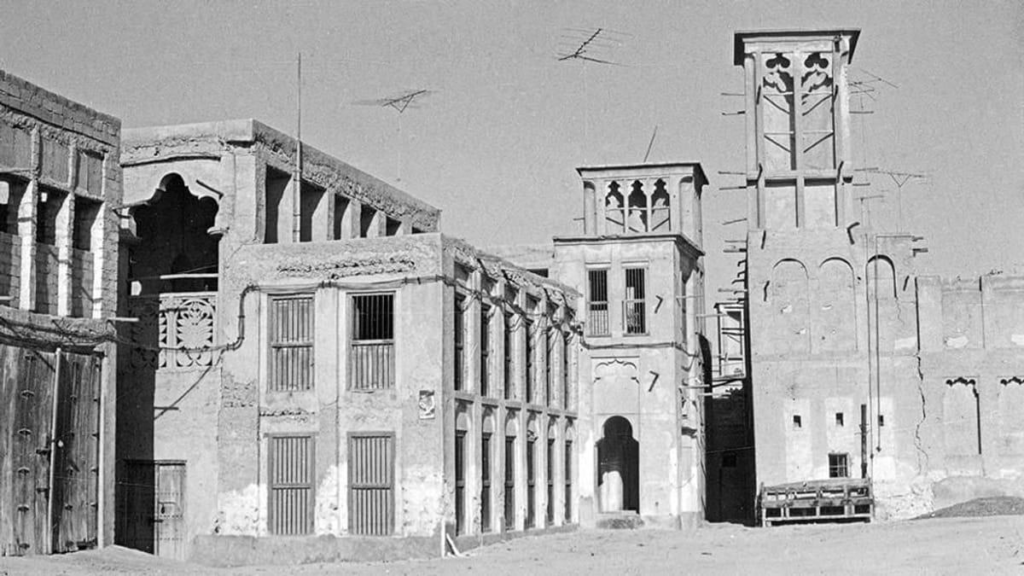
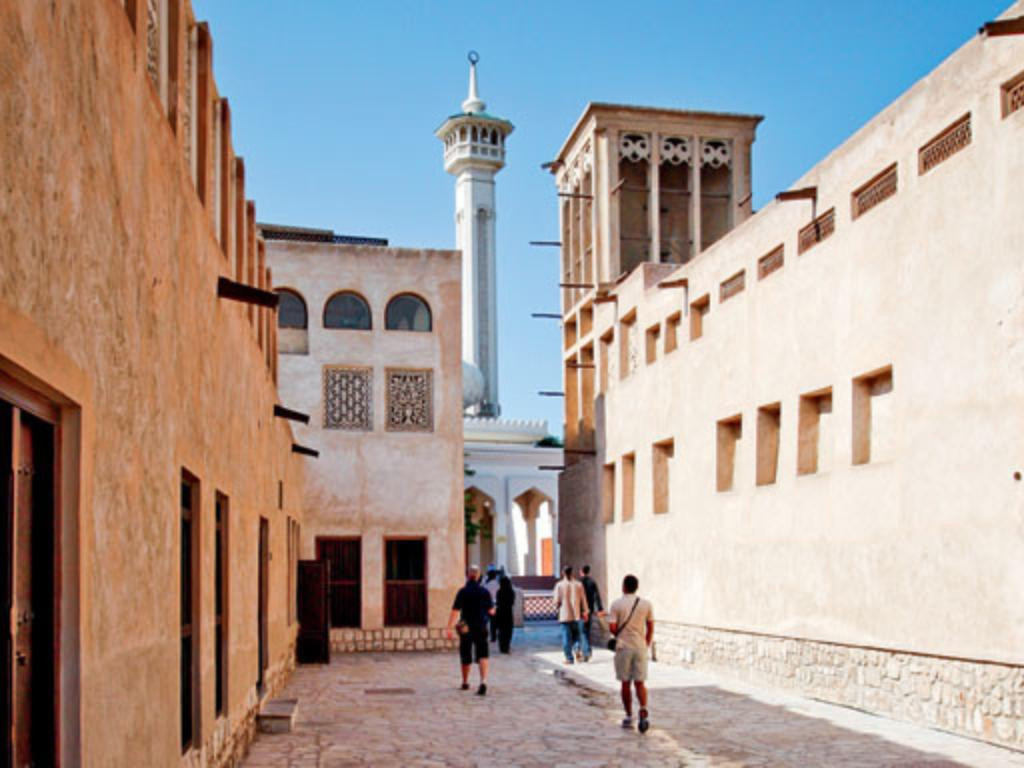
Al Fahidi offers a different kind of transformation. Rather than replacing its traditional buildings with modern towers, Dubai has preserved this neighbourhood as an important part of its cultural heritage.
Known for its narrow lanes, wind towers and traditional courtyard houses, Al Fahidi reflects how people lived in Dubai before modern residential developments became common.
Today, the neighbourhood features museums, art galleries, cultural spaces and traditional architecture. Visitors can explore its historic buildings while learning about the city’s trading and social history.
Dubai Culture and other local heritage organisations continue to support the preservation and promotion of the emirate’s historic districts.
Dubai’s Transformation Is Still Underway
These 10 locations show how Dubai has developed across different periods, from its early trading years to its current position as an international business and tourism destination.
The changes have created new residential communities, employment opportunities, commercial districts and attractions for visitors. They have also increased the importance of infrastructure, transport and urban planning as the population and economy continue to grow.
Dubai’s transformation is not finished. The Dubai 2040 Urban Master Plan sets out the emirate’s long-term direction for urban development, with a focus on improving quality of life, green spaces, public facilities and connectivity.
For residents who have lived in Dubai for years, these changes offer a chance to look back at familiar places from a different perspective. For newer residents and tourists, they provide a better understanding of how the city developed.
FAQs About Dubai Then and Now
How has Dubai changed over the last 50 years?
Dubai has transformed from a regional trading and fishing centre into an international destination for business, tourism, real estate and aviation. Major infrastructure projects and urban developments have contributed to this growth.
What was Dubai like before the skyscrapers?
Earlier Dubai had traditional neighbourhoods, open desert areas, smaller roads and trading communities around Dubai Creek. Its economy relied heavily on trade, fishing, pearl diving and maritime activities.
When did Palm Jumeirah construction begin?
Nakheel launched the Palm Jumeirah project in 2001. The artificial island later became home to hotels, residential developments and leisure attractions.
Which areas in Dubai still preserve their historical character?
Al Fahidi Historical Neighbourhood, parts of Deira, Dubai Creek and Al Shindagha preserve important elements of traditional Dubai through historic buildings, museums and cultural attractions.
Is Dubai still developing new areas?
Yes. Dubai continues to develop new residential, commercial and leisure destinations. The Dubai 2040 Urban Master Plan provides a long-term framework for the city’s growth and urban planning.
Dubai’s Changing Landscape Tells Its Story
From the trading boats of Dubai Creek to the skyscrapers of Sheikh Zayed Road, the city’s landscape tells the story of decades of development. Some neighbourhoods have completely changed, while others continue to preserve the traditions that shaped early Dubai.
Looking at Dubai then and now offers a better understanding of how the emirate has grown and what makes its identity so distinctive today.
Follow Social Kandura for more updates on local news and things to do in Dubai and across the UAE.