

Dubai-it is a Dubai Government philosophy focused on turning ambitious ideas into measurable results through speed, quality and execution. Introduced in 2026, the approach is reflected in projects spanning transport, aviation, AI, sustainability and urban development.
What is ‘Dubai-it’?
Dubai-it is about moving from ambitious plans to tangible results. The philosophy encourages Dubai to act quickly, deliver projects to a high standard and measure their real-world impact. It is now being reflected in projects such as the Dubai Metro Blue Line, autonomous taxis, Dubai Loop, Al Maktoum International Airport expansion, Dubai Walk, new community parks and the Digital Twin Platform.
- Location: Dubai, UAE
- Led by: Dubai Government and its various authorities
- Introduced: 2026
- Who is affected: Residents, commuters, businesses, tourists and future communities
- Major transport projects: Metro Blue Line, autonomous taxis, Dubai Loop and future Gold Line
- Major aviation project: Al Maktoum International Airport expansion
- Technology: Digital Twin and AI-led urban planning
- Community development: 35 new parks planned in 2026
- Long-term horizon: Projects and strategies extending towards 2030 and 2040
“Dubai-it” is not the name of one mega-project. It is a new way of describing Dubai’s approach to turning ambitious ideas into reality. The initiative was introduced in 2026 as Dubai placed greater emphasis on speed, execution, innovation and measurable results.
The philosophy comes as the emirate prepares for another major phase of growth. Dubai’s population reached 4.58 million at the end of 2025, increasing pressure on transport, housing, public spaces and other infrastructure.
From the Metro Blue Line to driverless taxis and the planned expansion of Al Maktoum International Airport, several developments show what “Dubai-it” looks like on the ground.
Why is Dubai focusing on ‘Dubai-it’ now?
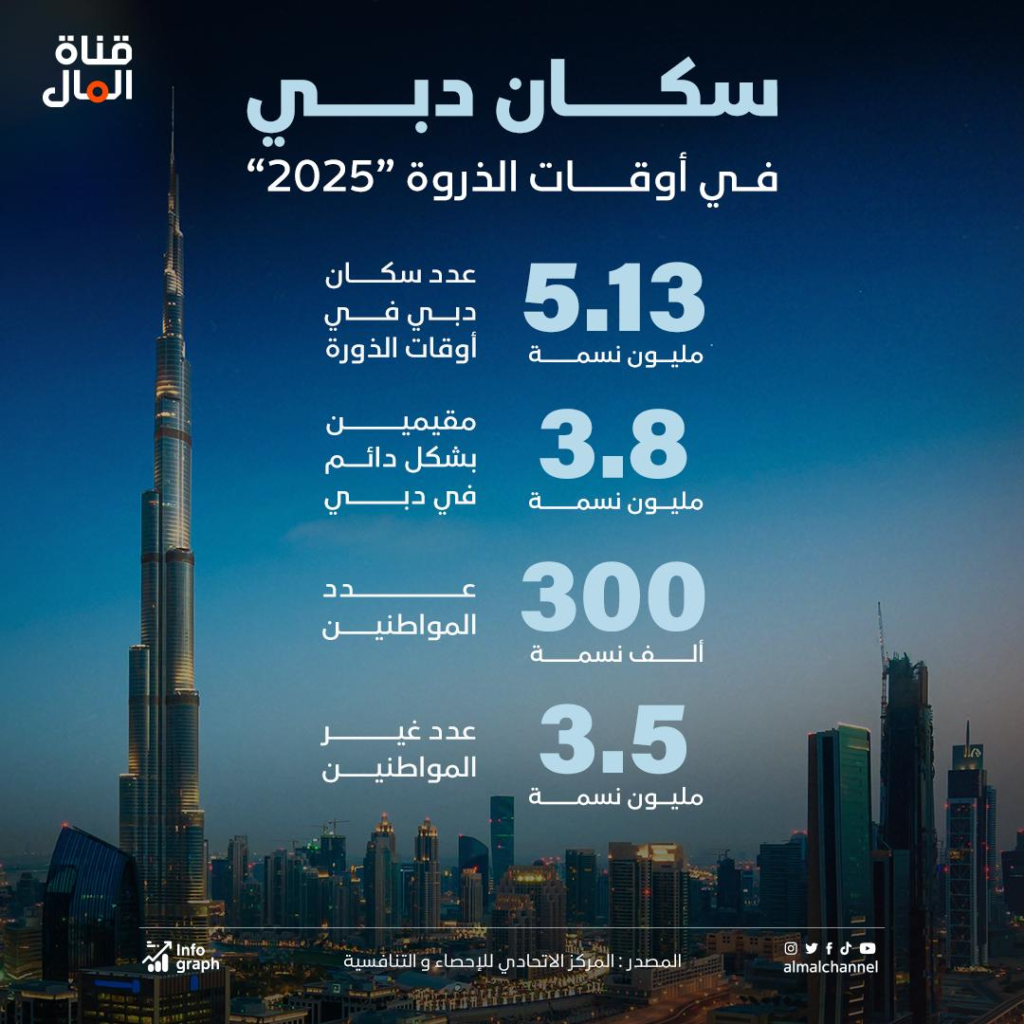
Dubai’s next challenge is not simply building more. It is making sure infrastructure and public services keep pace with a growing population and economy.
The Dubai Government has increasingly turned to AI, real-time data and long-term planning to understand where demand is heading.
In July 2026, Dubai launched its Digital Twin Platform, creating a virtual representation of the emirate that combines data on buildings, infrastructure, facilities, landmarks and master plans. The system is designed to help government entities understand the city and make better planning decisions.
This is an important part of the Dubai-it approach: planning rather than waiting for problems to appear.
Dubai-it by the numbers
| Project or target | Key figure |
|---|---|
| Dubai population at end-2025 | 4.58 million |
| Dubai Metro Blue Line | 30 km, 14 stations |
| Blue Line opening target | September 9, 2029 |
| Al Maktoum International Airport expansion | AED128 billion |
| Future airport capacity | 260 million passengers annually |
| Dubai Loop first phase | 6.4 km, 4 stations |
| New parks planned in 2026 | 35 across 23 communities |
| Dubai Walk target | 6,500 km of pedestrian network |
| Dubai Metro Gold Line investment | AED34 billion |
| Solar Park 2030 capacity target | More than 8,000MW |
Also Read: Dubai’s Population Hits Record 4.58 Million – And 6.39 Million Fill the City Every Day
Which Dubai projects are already showing the ‘Dubai-it’ approach?
Dubai-it can be seen across several major developments, but the projects are at different stages.
| Project | Current status | What it could change |
|---|---|---|
| Dubai Metro Blue Line | Under construction | Metro connectivity in growing communities |
| Autonomous taxis | Commercial operations launched | How people book and use taxis |
| Dubai Loop | Implementation phase | Underground movement in central Dubai |
| Al Maktoum International Airport | Major expansion underway | Dubai’s future aviation capacity |
| Dubai Walk | Long-term development | Walking and pedestrian connectivity |
| 35 new parks | Planned for 2026 | Access to local recreational spaces |
| Digital Twin | Launched | Urban planning and decision-making |
| Solar Park | Capacity expanding | Dubai’s clean-energy infrastructure |
1. What is the Dubai Metro Blue Line and when will it open?
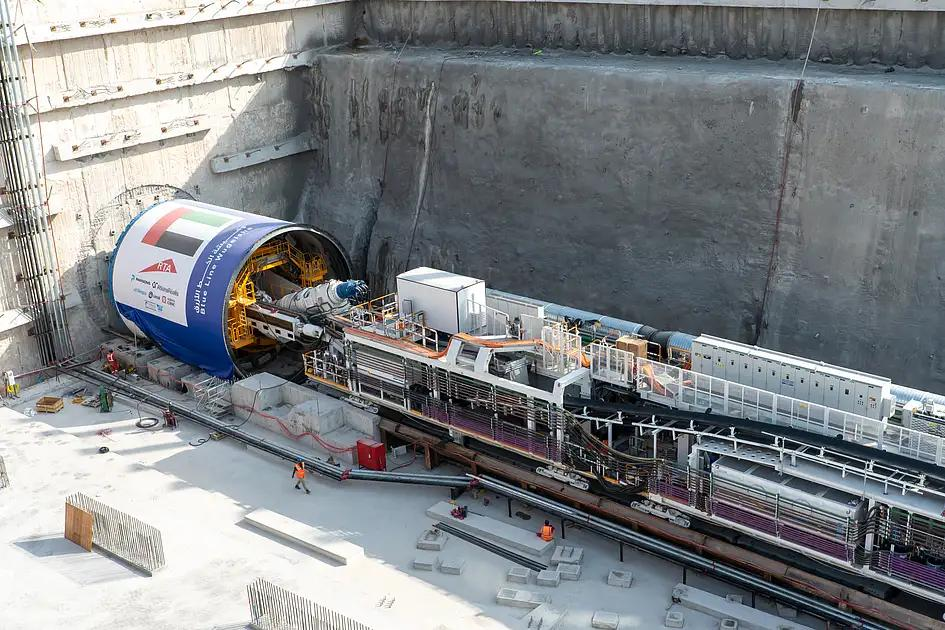
The Dubai Metro Blue Line is one of the biggest near-term transport projects in the emirate.
RTA’s 30-kilometre line will have 14 stations and connect areas including Dubai Creek Harbour, Dubai Festival City, International City, Dubai Silicon Oasis, Mirdif and Dubai Academic City.
The target opening date is September 9, 2029.
The line is being designed around Dubai’s future population. RTA has said the areas served by the Blue Line are expected to accommodate around one million residents by 2040.
It will also connect the existing Red and Green lines, making the wider Metro network more useful for residents living outside Dubai’s traditional central areas.
Also Read: Dubai Metro Blue Line First Tunnelling Phase Completed by RTA
2. Are driverless taxis already operating in Dubai?
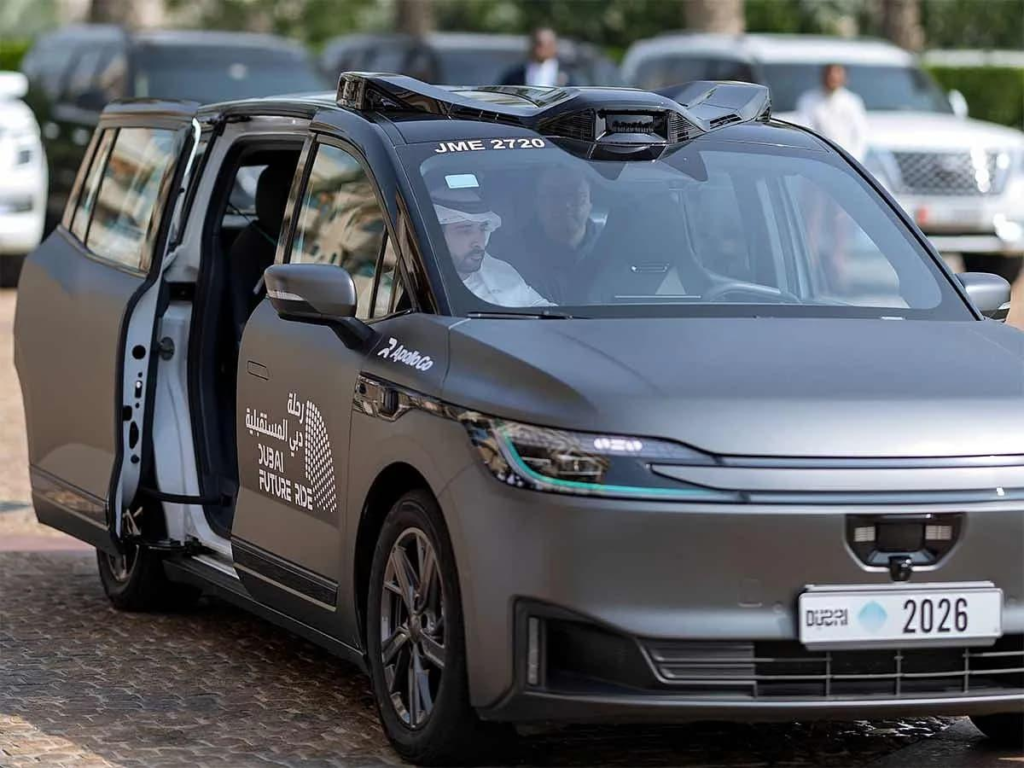
Yes. Commercial autonomous taxi services are already operating in parts of Dubai.
RTA launched commercial autonomous taxi operations in Jumeirah and Umm Suqeim in March 2026. The first phase included 100 autonomous taxis, with bookings available through Uber and Apollo Go.
Dubai Taxi Company and Baidu’s Apollo Go also launched fully driverless commercial ride-hailing services, initially with 50 vehicles.
The expansion supports Dubai’s goal of having 25% of transportation trips smart and driverless by 2030.
For residents, the bigger question is how quickly these services expand beyond the initial operating areas.
Also Read: Dubai Rolls Out Free Driverless Taxi Rides — Here’s How to Try One
3. What is Dubai Loop and where will it operate?
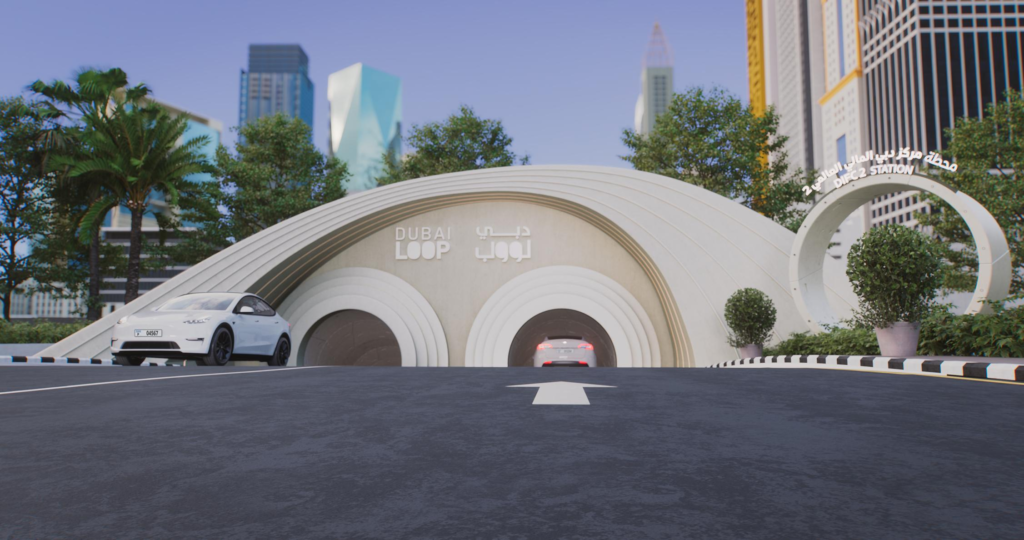
Dubai Loop is a proposed underground passenger transport system designed to move people through busy parts of the city.
RTA signed an agreement with The Boring Company in February 2026 to begin implementation of the first phase.
The pilot is planned to cover 6.4 kilometres and four stations, connecting Dubai International Financial Centre with Dubai Mall.
A potential future alignment could extend to 22.2 kilometres and 19 stations.
However, the wider network remains under development. Details about its eventual expansion and public operation should not be confused with confirmed operating services.
Also Read: Dubai Loop Construction Kicks Off: 3 Minute Trips from DIFC to Dubai Mall Are Coming
4. Why is Dubai expanding Al Maktoum International Airport?
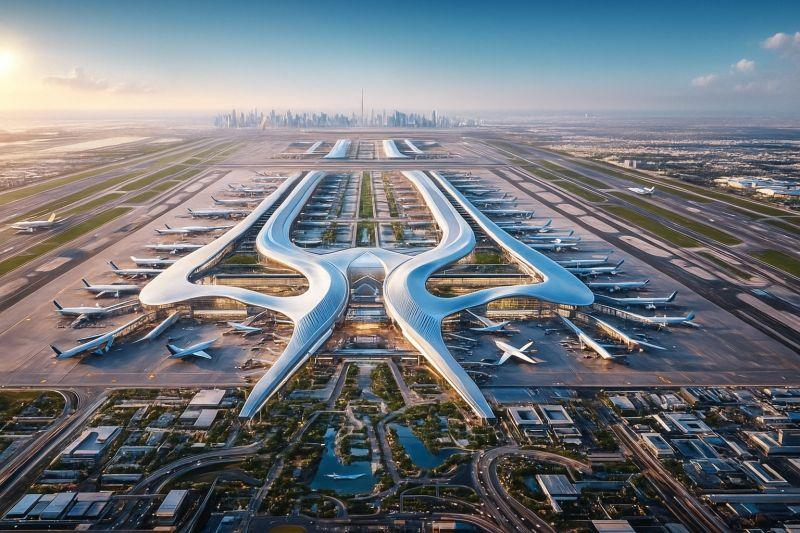
The AED128 billion expansion of Al Maktoum International Airport is designed to prepare Dubai for a much larger aviation future.
Once fully developed, the airport is planned to handle up to 260 million passengers a year, with 400 aircraft gates and five parallel runways.
Dubai has said operations will eventually shift from Dubai International Airport to Al Maktoum International.
The project is also expected to accelerate development around Dubai South, creating demand for housing, logistics, aviation-related businesses and other services.
For travellers, the impact will be long-term. For businesses, the airport could become one of the most important pieces of Dubai’s future economic infrastructure.
Also Read: Dubai Greenlights Massive Expansion of Al Maktoum International Airport
5. How will Dubai Walk and new parks change neighbourhoods?
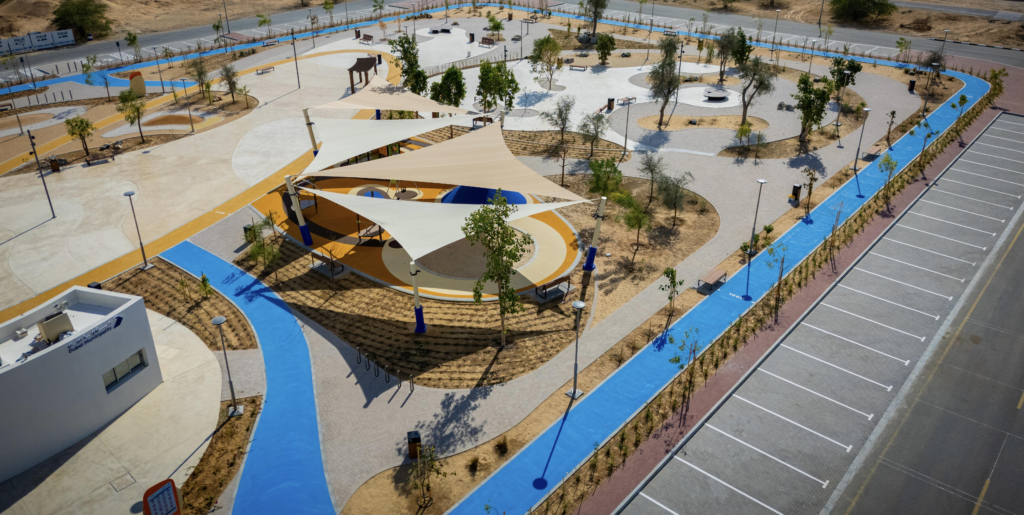
Not every Dubai-it project involves a huge airport or underground transport system.
Dubai Municipality plans to develop 35 new parks across 23 residential communities in 2026, covering more than 340,000 square metres.
The emirate is also working towards the Dubai Walk master plan, which targets a 6,500-kilometre pedestrian network across 160 areas by 2040.
The plan includes upgraded walkways, pedestrian bridges, shaded routes, greenery and climate-conscious features.
For residents, these projects could have a more immediate impact than some of Dubai’s mega-developments because they are directly linked to neighbourhood life, recreation and everyday mobility.
Also Read: Dubai to Open 35 New Parks in 2026 Across 23 Communities
Also Read: Dubai’s Futuristic 91 km Indoor Walkway Is Turning Heads—But There’s a Catch
6. What else is changing beyond transport?
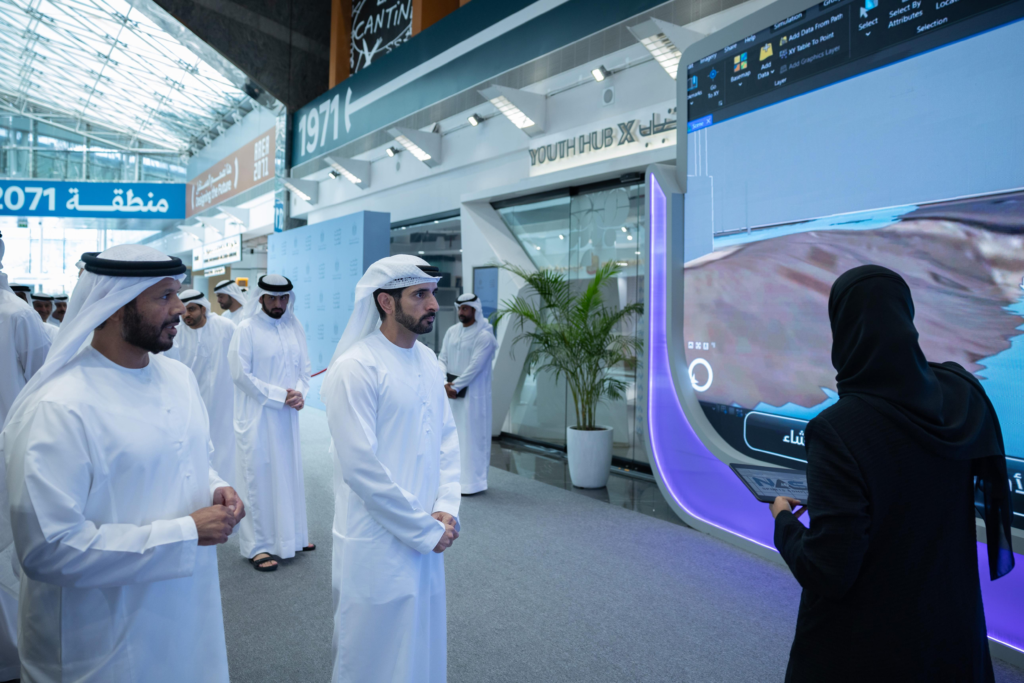
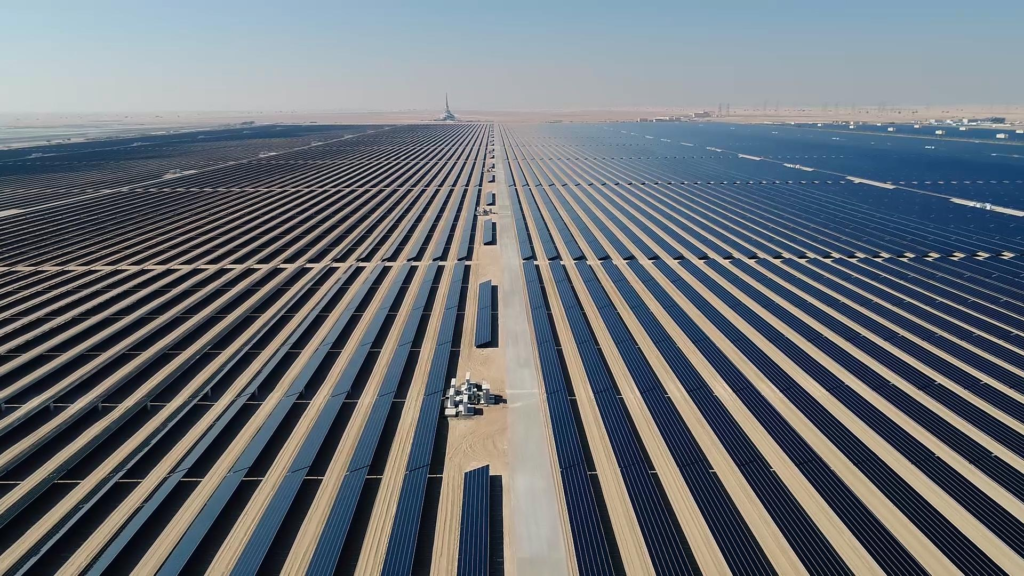
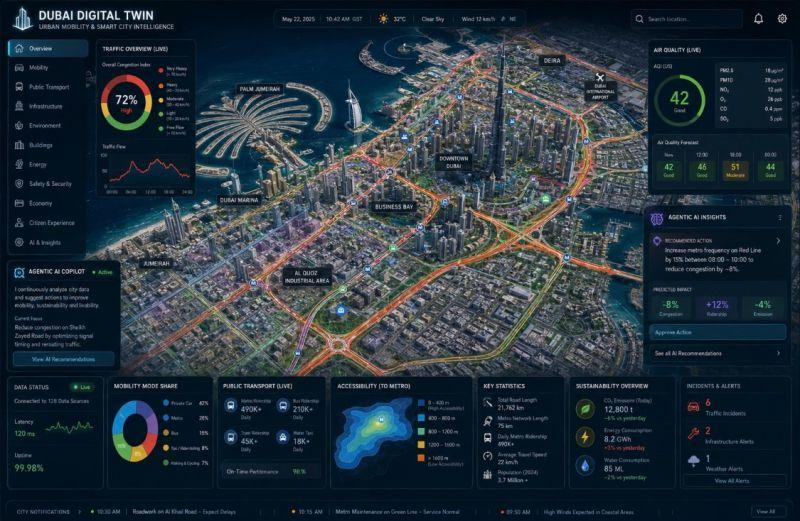

Dubai-it extends into technology and sustainability too.
The Dubai Digital Twin Platform gives authorities a virtual model of the city to support planning and decision-making.
Meanwhile, the Mohammed bin Rashid Al Maktoum Solar Park continues to expand as part of Dubai’s clean-energy strategy. DEWA has set a target of exceeding 8,000MW of solar capacity by 2030.
These projects show that Dubai’s future planning is not focused only on physical infrastructure. Data, AI, renewable energy and digital systems are becoming part of the city’s infrastructure as well.
How will ‘Dubai-it’ affect Dubai residents?
The impact will ultimately be measured by everyday improvements.
- Commuters: More Metro connections and autonomous transport could provide alternatives to private cars.
- Families: New parks could bring recreational spaces closer to residential communities.
- Walkers: Better pedestrian infrastructure could make short local journeys easier.
- Businesses: Airport expansion, digital infrastructure and improved connectivity could support growth.
- Tourists: Larger aviation and public transport networks could make moving around Dubai easier.
- Future residents: Population-led planning aims to match infrastructure with where people are expected to live and work.
What is confirmed and what is still planned?
One important point is that Dubai-it includes projects at very different stages.
Already operating or launched:
- Commercial autonomous taxis
- Dubai Digital Twin Platform
Under construction or implementation:
- Dubai Metro Blue Line
- Al Maktoum International Airport expansion
In development:
- Dubai Loop
- New parks and pedestrian projects
Longer-term:
- Dubai Metro Gold Line
- Dubai Walk 2040
- Further renewable-energy expansion
This distinction matters because an announcement or approved project does not necessarily mean residents can use it today.
What will Dubai look like by 2030?
The transformation is unlikely to come from one single project.
By 2030, Dubai is expected to have a broader Metro network, more autonomous transport, greater renewable-energy capacity, expanded digital planning tools and additional community infrastructure.
The next major Metro milestone is the Blue Line in 2029. Looking further ahead, the AED34 billion Gold Line is planned to open in 2032, showing that Dubai’s infrastructure planning extends well beyond the 2030 deadline.
The bigger idea behind Dubai-it is therefore not simply to complete a list of projects. It is to create a city that can anticipate demand and move quickly when new needs emerge.
Why does ‘Dubai-it’ matter?
For residents, the real test of Dubai-it will not be how ambitious a project sounds when it is announced.
It will be whether the Metro actually makes journeys easier, autonomous taxis become practical, parks improve neighbourhoods, AI makes government services simpler and new infrastructure keeps pace with population growth.
That is where the philosophy moves from a government initiative to something people can experience in everyday Dubai.
Image credits: Dubai Media Office & Dubai Municiplaity
FAQs
What is ‘Dubai-it’?
Dubai-it is a Dubai Government philosophy focused on turning ambitious ideas into measurable results through speed, quality, execution and innovation.
Which projects are part of Dubai-it?
Examples include the Dubai Metro Blue Line, autonomous taxis, Dubai Loop, Al Maktoum International Airport expansion, Dubai Walk, new parks, the Digital Twin Platform and the Mohammed bin Rashid Al Maktoum Solar Park.
When will the Dubai Metro Blue Line open?
The Blue Line is scheduled to open on September 9, 2029, according to RTA’s announced timeline.
Can people ride driverless taxis in Dubai?
Yes. Commercial autonomous taxi services launched in parts of Jumeirah and Umm Suqeim in 2026, with further expansion planned.
Will all Dubai-it projects be finished before 2030?
No. Several projects have longer timelines. For example, the Dubai Metro Gold Line is scheduled to open in 2032, while Dubai Walk has targets extending to 2040.
Dubai-it is ultimately about turning Dubai’s reputation for ambitious ideas into measurable delivery. The projects already underway show that the approach covers far more than skyscrapers and mega-developments — it includes the way residents commute, walk, access parks, travel through airports, use digital services and consume energy.
The real measure of success will be how effectively these plans translate into a better everyday experience as Dubai continues to grow.
Follow Social Kandura for more updates on local news and things to do in Dubai and across the UAE.
Read More: Sheikh Hamdan Approves Three Major Dubai Projects Including AI-Powered Park