

The Sheikh Zayed Grand Mosque Centre marked World Tourism Day on September 27, 2026, with special cultural tours highlighting the Abu Dhabi landmark’s religious, cultural and tourism significance. The mosque now welcomes nearly 7 million guests each year, with 82% coming from outside the UAE. Its visitor offering also includes digital experiences, multilingual guides and overnight Sura tours, giving tourists more ways to explore the landmark.
- Location: Abu Dhabi, UAE
- Organisation: Sheikh Zayed Grand Mosque Centre
- Status: Special World Tourism Day cultural tours held on September 27, 2026
- Who is affected: UAE residents, international tourists, worshippers and cultural visitors
- Tourism impact: Nearly 7 million annual guests, with 82% from outside the UAE
- What’s next: Continued development of cultural, digital and visitor experiences
The Sheikh Zayed Grand Mosque in Abu Dhabi is expanding its role as a major cultural and tourism destination, with nearly 7 million guests visiting the landmark each year. The Sheikh Zayed Grand Mosque Centre highlighted this growing international appeal during World Tourism Day on September 27, 2026, when it organised special cultural tours led by its tour specialists.
The Centre said the mosque’s visitor experience now extends beyond a traditional daytime visit, with digital tours, multilingual cultural content and overnight experiences adding new ways to explore the landmark.
How many people visit Sheikh Zayed Grand Mosque?
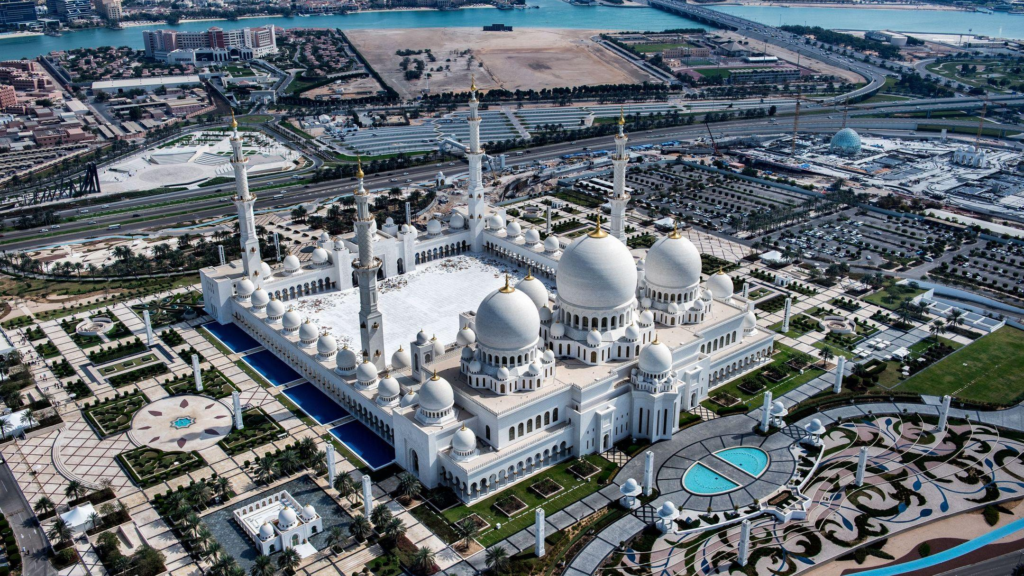
The Sheikh Zayed Grand Mosque receives nearly 7 million guests annually, according to the Centre.
Official visitor data shows that the mosque welcomed 6,846,723 guests in 2025, its highest annual visitor figure at the time. That represented a 4% increase compared with 2024.
International visitors form a significant part of this audience. The Centre reported that 82% of visitors in 2025 came from outside the UAE, underlining the mosque’s role in Abu Dhabi’s international tourism offering.
Asia accounted for 49% of visitors, followed by Europe at 35% and North America at 10%. India was the largest individual source market, accounting for 20% of visitors, while China contributed 9% and Russia 8%.
The numbers also show that the landmark is attracting visitors from a wide range of markets rather than serving only as a local religious site.
What makes the mosque accessible beyond a regular visit?
The Sheikh Zayed Grand Mosque Centre has developed several options for people who want to learn about the site outside a standard walk-through visit.
One of these is El-Delleel, a multimedia guide that combines augmented reality and virtual tours. The digital service is available in 14 languages and includes accessibility features such as sign language and descriptive language.
This gives visitors more flexibility when exploring the mosque’s architecture, Islamic art and cultural elements.
The Centre also provides cultural tours led by trained specialists. These tours generally last around 30 to 45 minutes and explain the mosque’s history, architecture and artistic features.
For people unable to visit Abu Dhabi in person, the Centre’s digital experiences provide another way to discover the landmark and its cultural message.
Can visitors experience Sheikh Zayed Grand Mosque at night?
Yes. The Centre offers Sura Night Tours, which provide an overnight visitor experience from 9pm to 9am.
This is an important distinction when describing the mosque as offering round-the-clock access. The landmark is not simply open to regular visitors 24 hours a day. Instead, standard visitor hours operate during set periods, while the Sura programme extends the experience through the night.
The overnight format also gives visitors another perspective of the mosque after dark, when its architecture and lighting create a different setting from a daytime visit.
Together with its digital services, the night tours help the Centre offer what can be described as a broader 24-hour cultural experience, rather than conventional 24-hour physical access.
What other cultural experiences are available?
The Sheikh Zayed Grand Mosque Centre has also been developing attractions that go beyond guided mosque tours.
Its cultural programme includes the Light & Peace Museum, which explores Islamic civilisation through exhibitions and multimedia presentations.
Another experience, Diya, uses 360-degree sound and light to create an immersive presentation for visitors.
In 2026, the Centre also launched its Contributions of Muslim Scholars initiative. The programme highlights the work of Muslim scholars, initially focusing on their contributions to fields including astronomy and mathematics.
These programmes give tourists additional reasons to spend more time at the destination while providing cultural and educational context around the mosque.
What does the visitor growth mean for Abu Dhabi tourism?
The continued visitor numbers strengthen the mosque’s role within Abu Dhabi’s wider tourism sector.
The Centre recorded 3,127,607 guests during the first half of 2026, according to its latest published figures. This includes different categories of guests, including worshippers, visitors, fasting guests and users of the jogging track.
The mosque also recorded significant visitor activity during Ramadan and Eid Al Fitr. Abu Dhabi Media Office reported that 1,695,698 guests visited or used the mosque’s facilities during Ramadan and Eid Al Fitr 2026.
For Abu Dhabi, the scale of this traffic connects the mosque with hotels, tour operators, transport services, restaurants and other businesses that benefit from visitor activity across the emirate.
The Centre’s 2022–2026 strategic plan also focuses on presenting tolerant Islamic culture and encouraging communication between different cultures, supporting its wider role within Abu Dhabi’s cultural tourism strategy.
The growing visitor numbers matter to both residents and tourists because the Sheikh Zayed Grand Mosque has become more than a landmark to photograph.
Visitors can combine worship, architecture, cultural learning, guided tours and immersive experiences during a trip to the site. International tourists can also access information in multiple languages and use digital tools to better understand what they are seeing.
For Abu Dhabi’s tourism industry, the large international visitor base supports the emirate’s position as a destination for cultural tourism. The Centre’s focus on night visits and digital experiences also gives tourists more flexibility in how they explore the landmark.
The next stage will involve continuing to develop the visitor experience while maintaining the mosque’s religious and cultural character.
FAQs
How many visitors does Sheikh Zayed Grand Mosque receive?
The Sheikh Zayed Grand Mosque receives nearly 7 million guests annually. The Centre recorded 6,846,723 guests in 2025.
Is Sheikh Zayed Grand Mosque open 24 hours?
Regular visitor access is not simply 24 hours a day. However, Sura Night Tours run from 9pm to 9am, extending the visitor experience overnight.
Can tourists take a cultural tour of Sheikh Zayed Grand Mosque?
Yes. The Centre offers cultural tours led by specialist guides. Tours generally last around 30 to 45 minutes and cover the mosque’s architecture, history, Islamic art and cultural significance.
Does Sheikh Zayed Grand Mosque offer virtual tours?
Yes. The Centre’s El-Delleel multimedia guide includes augmented reality and virtual tour features and is available in 14 languages.
Why is Sheikh Zayed Grand Mosque important to Abu Dhabi tourism?
The mosque attracts millions of visitors from around the world and provides cultural, religious and educational experiences. International visitors made up 82% of its visitor numbers in 2025.
The Sheikh Zayed Grand Mosque continues to expand its role as one of Abu Dhabi’s major cultural and tourism landmarks. With nearly 7 million annual guests, a large international visitor base, overnight tours and digital experiences, the Centre is creating more ways for people to connect with the mosque and its cultural message.
Follow Social Kandura for more updates on local news and things to do in Dubai and across the UAE.
Read More