

UAE schools are introducing or reinforcing their own WhatsApp group policies as the 2026–27 academic year gets underway. The rules affect parents, teachers and school administrators, with schools encouraging groups to focus on announcements and academic updates while directing complaints and sensitive matters through official channels.
- Location: UAE, including Dubai and Sharjah
- Organisations: UAE schools, Ministry of Education and KHDA
- Status: Rules are being applied during the 2026–27 academic year
- Who is affected: Parents, teachers, students and school administrators
- Practical impact: Fewer informal discussions and clearer routes for complaints
- What’s next: Schools are expected to continue refining parent communication policies
UAE schools are tightening WhatsApp rules for parent groups as families settle into the 2026–27 academic year. The measures are being introduced by individual schools rather than through one nationwide government WhatsApp policy, with rules covering messaging hours, complaints, teacher contact and the type of content shared in class groups.
The Ministry of Education’s academic calendar shows that the new school year began on August 31, 2026. As new classes form and parents join fresh groups, schools are setting clearer boundaries to keep WhatsApp focused on school announcements, reminders and academic information.
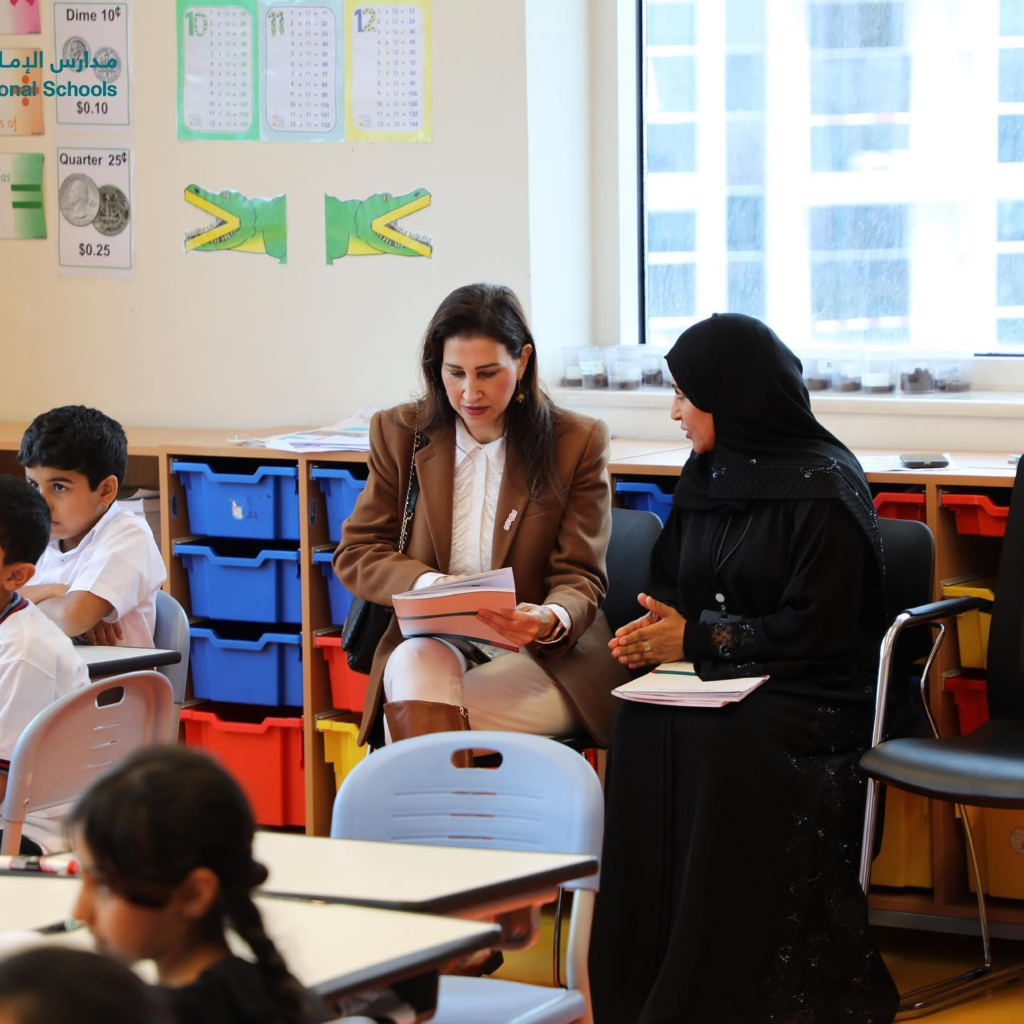
Why are UAE schools setting stricter WhatsApp rules?
Parent WhatsApp groups have become a convenient way for schools to share quick updates. Homework reminders, schedule changes, activity information and other notices can reach families without requiring a separate message to every parent.
The challenge comes when these groups turn into spaces for personal disagreements, complaints or discussions about individual students and teachers.
Schools are therefore asking parents to use class groups mainly for information that concerns the wider class. Individual concerns are being directed towards teachers, Heads of Section or established school communication channels.
The approach also helps schools protect student privacy and reduce the risk of sensitive matters being discussed in front of other parents.
What are the new WhatsApp rules for parents?
The exact policy differs between schools, but several common rules are emerging.
Parents are generally expected to avoid personal, provocative or disrespectful messages. Complaints about teachers, grades, homework or individual students should not be raised in the wider class group.
Schools are also placing limits on when teachers should be expected to respond.
At Sharjah Indian School, Principal Pramod Mahajan said teachers are generally asked not to send WhatsApp messages after 8pm, except in emergencies. The school also uses its diary and online portal for direct communication with teachers, keeping WhatsApp primarily as an information channel.
Parents are also being reminded not to allow students to use their phones to post messages in parent groups. This can create confusion about who is communicating and may lead to inappropriate messages being sent from a parent’s account.
How are schools handling complaints and sensitive issues?
Schools are increasingly separating general announcements from individual complaints.
Woodlem Education, for example, provides parents with a WhatsApp Group Policy at the beginning of the academic year. Its communication guidelines limit the use of class groups for personal matters and complaints involving teachers, students, grades, homework or school policies.
Such concerns are instead handled through a formal escalation process. Heads of Section can receive complaints and schools can investigate matters privately before responding to the family concerned.
This gives parents a clearer route when they have a serious concern, while avoiding a situation where an individual complaint becomes a public discussion among dozens of families.
Woodlem Education has also said it provides official SIM cards to teachers for school-related communication, helping create a clearer distinction between professional and personal contact.
What does research say about school WhatsApp groups?
The move towards clearer boundaries is not unique to the UAE.
A 2025 peer-reviewed study published in Teaching and Teacher Education examined WhatsApp groups involving elementary school teachers and parents. Researchers found that the platform can make communication faster and more accessible while helping strengthen connections between schools and families.
However, the study also highlighted concerns when parental involvement becomes excessive. Too much intervention can affect teacher authority and push conversations beyond their original purpose.
The research found that clear rules for group participation can improve communication effectiveness.
That is particularly relevant in the UAE, where schools are using digital channels alongside established portals, school diaries, and formal parent-teacher communication systems.
Are UAE schools banning parent WhatsApp groups?
No. The current approach is not a nationwide ban on WhatsApp groups.
Instead, schools are defining how the groups should be used. For many schools, WhatsApp remains useful because parents can quickly receive reminders and important class information.
The restrictions are mainly about how parents and teachers communicate, rather than removing WhatsApp altogether.
KHDA guidance for Dubai schools also places importance on using official communication channels, particularly for sensitive or emergencies. Its guidance has cautioned schools against relying on personal numbers, WhatsApp groups or informal messages for crisis communication.
This means parents should not assume that a message posted in a class WhatsApp group is the official route for every type of school communication.
For parents, the biggest change is the need to understand which communication channel should be used for different situations.
A timetable reminder or school activity update may belong in a class WhatsApp group. A complaint about a teacher, a student’s academic performance, or a sensitive personal issue is better handled privately through the school’s official process.
For teachers, defined messaging hours can also help maintain a clearer boundary between the school day and personal time.
The wider move towards structured communication could make parent groups more useful by reducing unnecessary messages while ensuring important announcements remain easy to find.
Dubai is also strengthening formal parent participation in education. KHDA has announced a Dubai Parents Council for the 2026–27 academic year, providing parents with a formal platform to share views on Dubai’s private education sector.
FAQs
Are UAE schools banning WhatsApp parent groups?
No. Schools are not subject to one nationwide WhatsApp ban. Individual schools are setting their own rules for how parent groups should be used.
Can parents complain about teachers in a WhatsApp group?
Parents are generally being asked not to raise individual complaints in class groups. Schools such as Woodlem Education direct these concerns through formal escalation channels.
What time can teachers send WhatsApp messages?
The timing depends on each school’s policy. Sharjah Indian School, for example, asks teachers not to send WhatsApp messages after 8pm except in emergencies.
Why are schools limiting WhatsApp discussions?
The rules are designed to keep groups focused on useful school information, protect privacy, reduce disputes, and give parents clearer channels for sensitive concerns.
When did the UAE 2026–27 school year begin?
The Ministry of Education’s academic calendar lists August 31, 2026, as the start of the new academic year for schools following the ministry calendar.
UAE schools are not moving away from WhatsApp, but they are putting firmer boundaries around its use. As the 2026–27 academic year continues, parents can expect class groups to remain useful for announcements and reminders, while complaints and sensitive matters are increasingly handled through official school channels.
Follow Social Kandura for more updates on local news and things to do in Dubai and across the UAE.
Read More
- parent WhatsApp groups UAE
- parents and schools UAE
- school communication policies
- school parent groups
- Social Kandura
- Social Kandura Media
- Social Kandura Media News
- UAE education news
- UAE parents
- UAE school communication
- UAE school WhatsApp groups
- UAE schools
- UAE schools WhatsApp rules
- WhatsApp guidelines UAE
- WhatsApp privacy rules
- WhatsApp rules for parents