

Sharjah has reopened its beaches to the public after authorities completed clean-up operations and environmental assessments following an oil spill in the Arabian Gulf. The reopening is welcome news for residents, tourists and hospitality businesses, although recovery work continues in other affected coastal areas across the UAE.
- Location: Sharjah coastline, UAE
- Organisation: Sharjah Government Media Bureau and environmental authorities
- Status: Beaches reopened on November 12, 2026
- Who is affected: Residents, tourists, beachgoers and coastal communities
- Business impact: Positive news for beachfront hotels, restaurants and tourism operators
- What’s next: Continued environmental monitoring and clean-up work in affected areas
Sharjah beaches have reopened to the public after nearly three weeks of closure due to an oil spill in the Arabian Gulf. The Sharjah Government Media Bureau announced the reopening on November 12, 2026, following clean-up operations, environmental assessments and monitoring to check coastal conditions.
The decision brings welcome news for residents and visitors who have been unable to access affected beach areas. However, the reopening does not mean that the entire UAE coastline has returned to normal. Authorities are continuing recovery operations in other locations, while some beaches remain closed as environmental teams assess the impact of the pollution.
Sharjah Beaches Reopen After Nearly Three Weeks
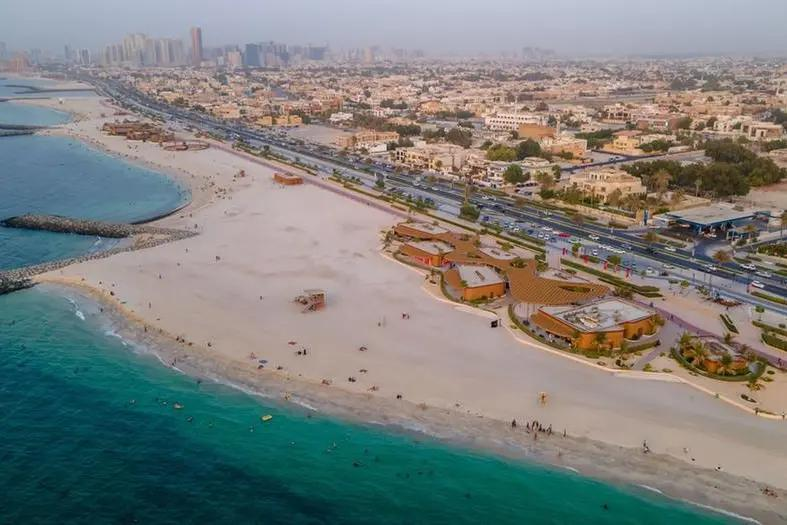
The beach closures were introduced as a precaution after oil pollution affected parts of the UAE’s northern coastline.
According to the Sharjah Media Office, the relevant authorities completed the required clean-up operations and environmental assessments before allowing the public to return.
The reopening followed monitoring to assess the condition of the affected coastal areas. Authorities also reassured residents that the beaches were safe for public use following the completed checks.
The development is particularly relevant for people who regularly visit Sharjah’s beaches for swimming, walking, family outings and other outdoor activities.
It also comes as the UAE moves into the cooler months, when outdoor attractions and waterfront destinations generally become more popular with residents and tourists.
How the Gem No. 2 Oil Spill Affected UAE Beaches?
The incident dates back to October 2026, when the UAE confirmed an oil spill in the Arabian Gulf involving the supertanker Gem No. 2.
The vessel’s crew members were rescued, but oil entered the surrounding waters and spread across parts of the northern UAE coastline.
Satellite images showed the oil slick extending from waters off Umm Al Quwain towards coastal areas in Ras Al Khaimah, Ajman and Sharjah.
The incident triggered beach closures and environmental response operations across several emirates.
On October 30, UAE authorities announced that the spill had been contained following a multi-agency operation. However, containing the source of pollution and completing the clean-up of affected coastal areas are two different stages of recovery.
Oil residues can remain on beaches, in shallow waters and around sensitive marine habitats even after the main spill has been contained.
This is why environmental assessments and follow-up monitoring remain important before beaches reopen.
Around 1,000 Workers Continue Coastal Clean-Up Operations
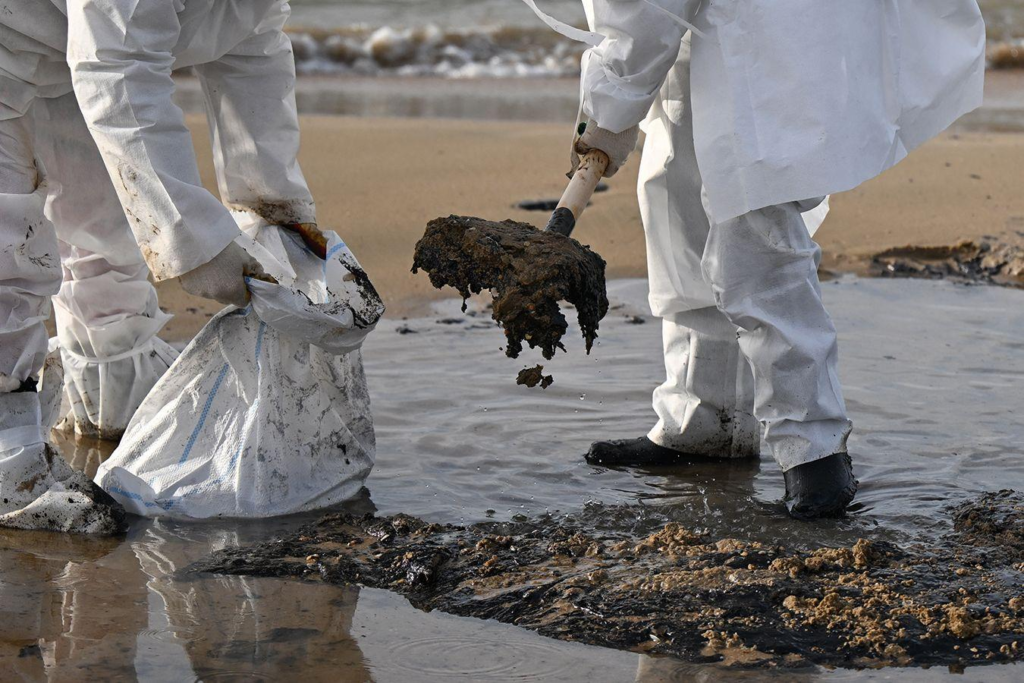
Although Sharjah has reopened its beaches, the wider clean-up operation remains an important part of the UAE’s response.
Reports published on November 13 indicate that around 1,000 workers have been deployed daily across affected areas in Umm Al Quwain, Sharjah and Ras Al Khaimah.
The teams are using different methods to remove oil residues and contaminated material from coastal areas.
These include mechanical recovery equipment, absorbent materials, low-pressure water flushing and oil-skimming boats.
The work also involves removing contaminated sand, debris and other waste that could affect the surrounding environment.
Some areas require additional attention because of their ecological importance. Mangroves, in particular, can be difficult to clean because oil may become trapped around their roots and surrounding sediment.
Certain recovery activities could continue into 2027, depending on the condition of individual sites.
This means the reopening of public beaches is only one part of a much wider environmental recovery effort.
Ras Al Khaimah Also Reopens Seven Beaches
Sharjah is not the only emirate to announce the return of public beach access.
On November 11, Ras Al Khaimah reopened seven public and hotel beaches after authorities completed the necessary inspections.
The reopened locations include:
- Flamingo Beach
- Al Dahan Beach
- Al Maireed Beach
- Al Rams Corniche
- Anantara Mina Al Arab
- InterContinental Mina Al Arab
- The Cove Rotana Resort
According to the Ras Al Khaimah Public Services Department, other beaches will reopen gradually once they are assessed and cleared for public use.
The decision is also significant for the emirate’s hospitality sector, particularly beachfront hotels and resorts that depend on coastal attractions as part of their visitor experience.
Which UAE Beaches Are Still Affected?
Despite the latest reopening announcements, some coastal areas remain subject to restrictions.
Umm Al Quwain is among the locations where beach closures remain an important concern following the tanker-related spill.
Authorities are continuing environmental recovery work, and public access should depend on official clearance rather than assumptions based on neighbouring emirates reopening their beaches.
There was also a separate development on November 9, when Al Luluyah Beach in Khor Fakkan was closed following an oil spill report.
This was notable because it was the first confirmed incident of oil pollution on the UAE’s east coast during this period.
Authorities did not establish a connection between the Khor Fakkan incident and the Gem No. 2 tanker spill. The two developments should therefore be treated separately.
The reopening of Sharjah’s beaches is important for residents, visitors and businesses that rely on coastal attractions.
For residents, it means more outdoor spaces are accessible again as the UAE’s winter season approaches. Families, fitness enthusiasts and beachgoers can return to the reopened areas.
For tourism businesses, the development is positive news. Beachfront hotels, restaurants and leisure operators can welcome visitors back to cleared coastal locations.
However, the incident also highlights the importance of protecting the UAE’s marine environment. Coastal pollution can affect marine habitats, local wildlife and businesses that depend on clean beaches and waterfront attractions.
Continued monitoring will help authorities assess environmental conditions and determine when additional restricted areas can safely reopen.
FAQs
1. Are Sharjah beaches open to the public?
Yes. Sharjah reopened its beaches on November 12, 2026, after completing clean-up operations and environmental assessments following the oil spill.
2. Why were Sharjah beaches closed?
The beaches were closed as a precaution after an oil spill from the Gem No. 2 supertanker affected parts of the Arabian Gulf and the UAE’s northern coastline.
3. Are all UAE beaches open again?
No. Although Sharjah and seven beaches in Ras Al Khaimah have reopened, some affected coastal areas, including Umm Al Quwain, remain subject to restrictions and environmental recovery work.
4. Which Ras Al Khaimah beaches have reopened?
Seven locations have reopened: Flamingo Beach, Al Dahan Beach, Al Maireed Beach, Al Rams Corniche, Anantara Mina Al Arab, InterContinental Mina Al Arab and The Cove Rotana Resort.
5. Is the UAE still carrying out oil spill clean-up operations?
Yes. Environmental teams continue to remove oil residues and contaminated material from affected coastal areas. Some recovery activities may extend into 2027.
The reopening of Sharjah’s beaches marks an important step in the UAE’s recovery from the Arabian Gulf oil spill. While residents and visitors can return to the reopened locations, clean-up and environmental monitoring remain ongoing in other affected areas.
Beachgoers should check official announcements before visiting any coastline that was previously closed.
Follow Social Kandura for more updates on local news and things to do in Dubai and across the UAE.
Read More