

Sharjah has temporarily closed its city beaches following an oil spill off the UAE coast. The precautionary measure aims to prevent pollution from reaching the shoreline. The incident has also prompted beach closures in Umm Al Quwain and Ras Al Khaimah, with authorities monitoring the situation and carrying out environmental assessments.
- Location: Sharjah City, with related beach closures in Umm Al Quwain and Ras Al Khaimah
- Authorities: Sharjah Government Media Bureau and UAE environmental authorities
- Status: Beaches temporarily closed; reopening dates have not been confirmed
- Who is affected: Residents, beachgoers, fishermen and coastal businesses
- Business impact: Beach-based leisure and tourism activities may be affected by access restrictions
- What’s next: Authorities will continue assessments and issue updates through official channels
Sharjah has temporarily closed its city beaches after an oil spill from a tanker off the UAE coast raised concerns about marine pollution. The Sharjah Government Media Bureau announced the precautionary measure on October 28, 2026, saying specialised teams were working to protect the coastline and prevent pollution from reaching the shore.
The closure follows similar restrictions in Umm Al Quwain and Ras Al Khaimah. The incident has drawn attention to the need to protect the UAE’s coastal environment while authorities assess the situation. Residents and visitors have been advised to follow official instructions and check for updates before planning trips to affected beaches.
Why Has Sharjah Closed Its Beaches?
The Sharjah Government Media Bureau said the closures were introduced to prevent marine pollution from reaching the coastline. Specialised teams and relevant authorities are taking measures to protect the beaches and maintain public safety.
The decision follows an earlier restriction at Al Hamriyah Beach on October 23. At that time, authorities closed the beach as a precaution while the oil spill response continued. The wider closure of Sharjah City beaches was announced five days later.
Authorities have urged residents, fishermen and beachgoers to follow the instructions issued by the relevant teams. They have also advised the public to rely on official information rather than circulate unverified reports.
The closure is precautionary. It does not mean that oil contamination has been confirmed at every beach in Sharjah City.
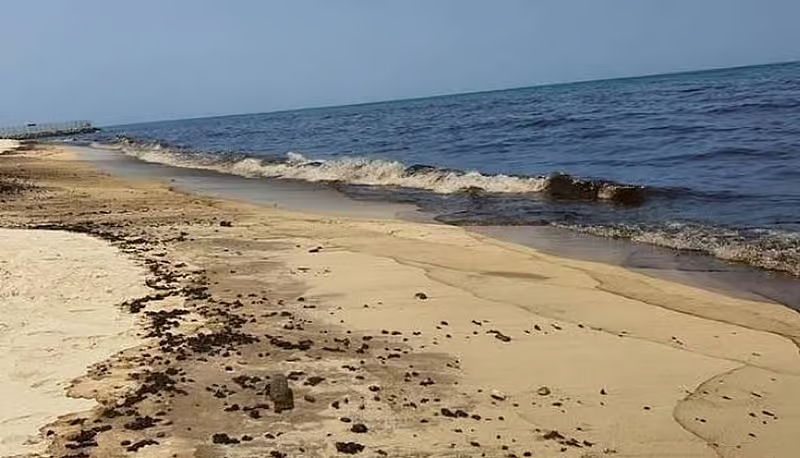
What Is Known About the UAE Oil Spill?
The UAE Ministry of Climate Change and Environment (MOCCAE) confirmed on October 23 that its technical monitoring and environmental assessment system had detected an oil spill from a tanker affecting beaches in Umm Al Quwain.
According to the ministry’s statement, containment and cleanup operations began in coordination with local and federal authorities. Teams cordoned off affected areas and started remediation work to limit environmental damage. Coastal surveys and monitoring were also underway to assess the extent of the pollution.
Satellite imagery provided further evidence of the incident. Images captured on October 24 showed an expanding oil slick offshore. Maritime experts identified the vessel as Gem No. 2, although authorities had not officially identified the tanker or established the cause of the spill in their initial public statements.
The full extent of the pollution and its impact on marine life remain subject to assessment. The volume of oil spilled and the final environmental damage have not been confirmed in the information available.
Which Other UAE Beaches Are Closed?
Sharjah is not the only emirate affected by the incident.
In Umm Al Quwain, MOCCAE confirmed the temporary closure of all beaches and coastal areas after the spill affected the emirate’s coastline. The restrictions are intended to remain in place until technical teams complete their assessments and determine the measures needed to protect the public and marine environment.
Ras Al Khaimah also announced the closure of its beaches until further notice. The restrictions add to the precautions being taken along the UAE’s northern coastline.
Residents should check the status of individual beaches before travelling, as restrictions can vary by location. A closure in one emirate does not automatically mean that every coastal attraction, hotel pool or waterfront venue across the UAE is closed.
What Did Authorities Say About the Unusual Smell?
Before the beach closures, residents in Sharjah, Ajman and Umm Al Quwain reported an unusual, fuel-like odour over several days.
MOCCAE linked the odours to the tanker oil spill and said they did not pose a health risk to residents. The ministry also urged fishermen and other sea users to follow official instructions and avoid fishing in affected areas.
This guidance should not be interpreted as permission to enter closed beaches or handle oil found along the shore. Residents should follow local restrictions and report suspected pollution through the appropriate official channels.
The ministry has said that coastal monitoring and environmental assessments are continuing. These checks will help authorities determine the extent of the contamination and identify the next steps for protecting affected areas.
Why It Matters for UAE Residents and Coastal Businesses
The closures affect more than swimming and beach visits. Coastal areas support fishing, leisure activities, hospitality businesses and marine habitats, making pollution prevention important for both the environment and local livelihoods.
For residents, the immediate impact is restricted beach access and limitations on activities in affected waters. Fishermen may also face disruption where fishing is prohibited. Beachfront hotels, restaurants and leisure operators could experience changes in visitor activity, although the overall financial impact has not been established.
The incident also highlights the importance of protecting the UAE’s marine environment. Oil pollution can harm coastal habitats and wildlife, while cleanup work and environmental monitoring help authorities understand the damage and plan recovery measures.
For now, the practical advice is straightforward: avoid closed beaches, follow fishing restrictions and check official announcements before arranging coastal trips. Authorities have not confirmed a reopening date for Sharjah City beaches.
FAQs
1. Are all beaches in Sharjah closed?
Sharjah City beaches were temporarily closed on October 28, 2026, as a precaution against marine pollution. Al Hamriyah Beach had been closed separately on October 23. Residents should check official updates for location-specific information.
2. Why have Sharjah beaches been closed?
The Sharjah Government Media Bureau announced the closure to prevent marine pollution from an oil spill involving a tanker off the UAE coast from reaching the shoreline.
3. When will Sharjah beaches reopen?
Authorities have not announced a reopening date. The closure remains in place while relevant teams take measures to protect the coastline. Residents should follow official announcements for updates.
4. Is the oil spill dangerous to residents?
MOCCAE said the unusual odours reported in Sharjah, Ajman and Umm Al Quwain did not pose a health risk to residents. However, people should follow beach closures, avoid affected waters and stay away from oil found along the shore.
5. Are beaches in Umm Al Quwain and Ras Al Khaimah also closed?
Yes. MOCCAE confirmed temporary closures of all beaches and coastal areas in Umm Al Quwain. Ras Al Khaimah also announced beach closures until further notice.
What Happens Next?
Sharjah’s beach closures will remain an important precaution while authorities work to prevent pollution from reaching the coastline. Further updates on beach access and reopening dates are expected through official channels.
Residents and visitors should check the latest guidance before visiting the coast and avoid entering restricted areas.
Follow Social Kandura for more updates on local news and things to do in Dubai and across the UAE.
Read More