

What happened?
US President Donald Trump said negotiations with Iran are progressing, raising hopes of a diplomatic breakthrough despite renewed drone attacks across the region.
Who is affected?
Global energy markets, Gulf countries including the UAE, shipping companies, businesses, airlines, and consumers are closely watching developments.
Why does it matter?
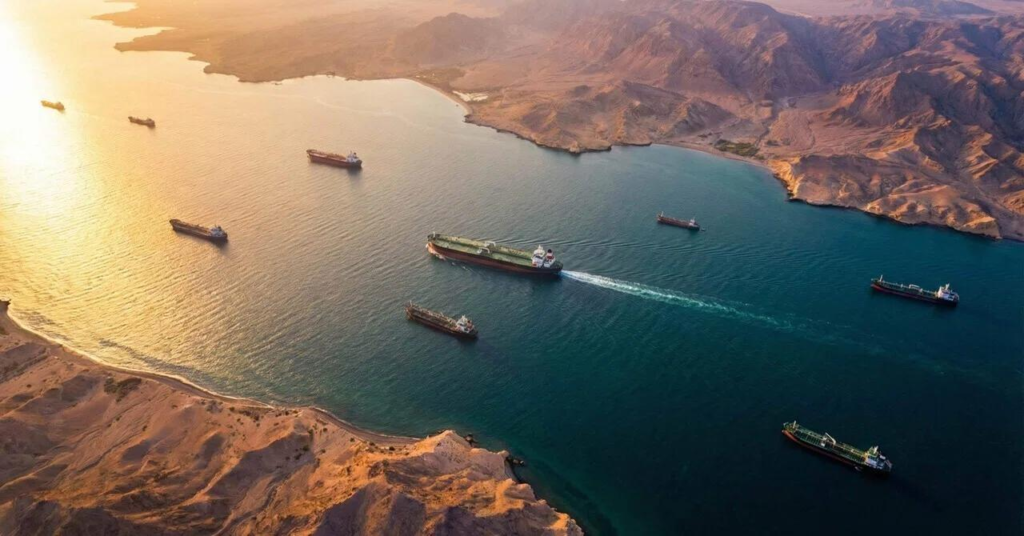
The Strait of Hormuz remains one of the world’s most important oil shipping routes. Any escalation or de-escalation directly affects oil prices, regional security, and the UAE economy.
US-Iran talks are back in focus after US President Donald Trump announced that negotiations with Tehran were progressing, even as fresh drone attacks were reported across the Middle East. Speaking on Monday, Trump said there was a “good chance” of reaching an agreement but warned that US military operations could resume if diplomacy failed. The development comes after Washington paused nearly two weeks of air strikes against Iran, prompting oil prices to drop sharply while concerns over security in the Strait of Hormuz continue.
Why did Trump say talks with Iran are progressing?
Speaking to reporters before later addressing supporters in Michigan, Trump described the ongoing discussions as “good talks” and suggested diplomacy could still prevent further military action.
He said the United States was willing to continue negotiations if progress was made but warned that military strikes could restart if no agreement was reached.
Meanwhile, Iran confirmed that indirect messages were still being exchanged through mediators. However, Iranian Foreign Ministry spokesperson Esmail Baghaei rejected reports suggesting Tehran had requested negotiations, calling those claims “fabricated.”
This indicates that while communication remains open, significant differences between both sides continue.
Why are tensions still high despite diplomatic talks?
Although Washington suspended its bombing campaign, the region remains volatile.
Saudi Arabia reported intercepting drones targeting petroleum facilities, including areas near Riyadh. According to Saudi authorities, the drones were launched from Iraq by Iran-backed armed groups.
Separately, Yemen’s Houthi movement claimed responsibility for attacks targeting Saudi oil infrastructure, describing them as retaliation for Saudi military actions.
Iran also reiterated that it maintains control over navigation in the Strait of Hormuz, while the United States continues to insist on unrestricted passage through the strategically important waterway.
These developments highlight that military tensions have not disappeared despite renewed diplomatic efforts.
Why did oil prices fall so sharply?
Oil markets reacted positively to signs of de-escalation.
US crude oil fell by more than 8%, while Brent crude also recorded a significant decline after investors welcomed the pause in US air strikes and Trump’s comments on ongoing negotiations.
Analysts say traders expect reduced risks of immediate supply disruptions if diplomacy continues.
Additional market factors also contributed to the decline, including weaker-than-expected demand from Asia and hopes that shipping routes will remain open.
However, energy experts continue to warn that prices could rise again quickly if attacks intensify or shipping through the Strait of Hormuz faces further disruption.
Why is the Strait of Hormuz so important for the UAE?
The Strait of Hormuz remains one of the world’s busiest energy corridors.
A significant share of global crude oil and liquefied natural gas exports passes through the narrow waterway every day, including exports from the UAE and other Gulf countries.
Any disruption can affect:
- Global oil prices
- Fuel costs
- Shipping rates
- Marine insurance premiums
- International trade
For the UAE, stability in the Strait is particularly important because the country’s economy depends heavily on secure energy exports and uninterrupted maritime trade.
Although the UAE has invested in alternative export infrastructure, including pipelines that bypass parts of the Strait, Hormuz remains critical for regional commerce.
What could happen next?
Both Washington and Tehran are expected to continue indirect negotiations through mediators in the coming weeks.
According to previous announcements, discussions are expected to focus on several major issues, including Iran’s nuclear programme and maritime security in the Gulf.
However, disagreements remain over navigation rights in the Strait of Hormuz, with the US demanding unrestricted passage while Iran argues it has the authority to supervise transit within its territorial waters.
Military activity across the region also means the situation could change rapidly if either side abandons diplomacy.
Why It Matters?
For UAE residents and businesses, developments between the US and Iran extend beyond international politics.
Here’s why it matters:
- Lower oil prices can ease pressure on global fuel markets.
- Stable shipping routes help protect international trade.
- UAE exporters benefit from secure maritime transport.
- Airlines, logistics companies and importers closely monitor regional security.
- Continued diplomacy reduces the risk of wider disruptions across the Gulf.
While markets welcomed the latest diplomatic signals, regional security remains fragile, making future negotiations closely watched across the UAE and the wider GCC.
FAQs
Why did oil prices fall despite new drone attacks?
Markets reacted mainly to the US pause in military strikes and Trump’s comments about ongoing negotiations, which reduced immediate fears of a wider conflict.
Is the conflict between the US and Iran over?
No. Diplomatic discussions are continuing, but tensions remain high and military action could resume if negotiations fail.
Why is the Strait of Hormuz important?
The Strait of Hormuz is one of the world’s most important oil shipping routes, carrying a large share of global energy exports, including oil from Gulf countries.
How could this affect the UAE?
Changes in regional security can influence oil prices, shipping costs, trade, aviation and business confidence across the UAE.
Are the US and Iran officially negotiating?
Iran says indirect messages are being exchanged through mediators, while the US has confirmed ongoing discussions. However, both sides continue to disagree on several key issues.
The latest comments from President Trump have raised hopes that diplomacy could prevent another escalation between the United States and Iran. However, fresh drone attacks and continuing disagreements over the Strait of Hormuz show that the situation remains uncertain. For the UAE and the wider Gulf region, the outcome of these negotiations will continue to influence energy markets, trade and regional stability.
Follow Social Kandura for more updates on local news and things to do in Dubai and across the UAE.
Read More
- crude oil prices
- Donald Trump Iran
- drone attacks Middle East
- energy market news
- Geopolitical Tensions
- global oil market
- Iran nuclear talks
- Middle East Tensions
- oil price news
- oil prices fall
- Social Kandura
- Social Kandura Media
- Social Kandura Media News
- Trump latest news
- Trump US-Iran talks
- US foreign policy
- US Iran negotiations
- world news