

What happened?
Sheikh Hamdan bin Mohammed has approved an AED 1 million grant for participants of the 2026 Dubai Date Festival.
Who is affected?
The grant will benefit farmers, date producers and exhibitors who took part in this year’s festival.
Why does it matter?
The initiative supports Emirati agricultural heritage, rewards excellence in date cultivation and encourages more families and young people to preserve one of the UAE’s oldest traditions.
Sheikh Hamdan bin Mohammed bin Rashid Al Maktoum has directed an AED 1 million grant for participants of the third edition of the Dubai Date Festival, recognising the contribution of farmers, producers and exhibitors to preserving the UAE’s agricultural heritage. The announcement was confirmed by the Government of Dubai Media Office following the festival’s conclusion on July 26. Organised by the Hamdan Bin Mohammed Heritage Centre, the festival brought together growers, government entities and heritage experts to celebrate one of the UAE’s most important cultural and agricultural traditions.
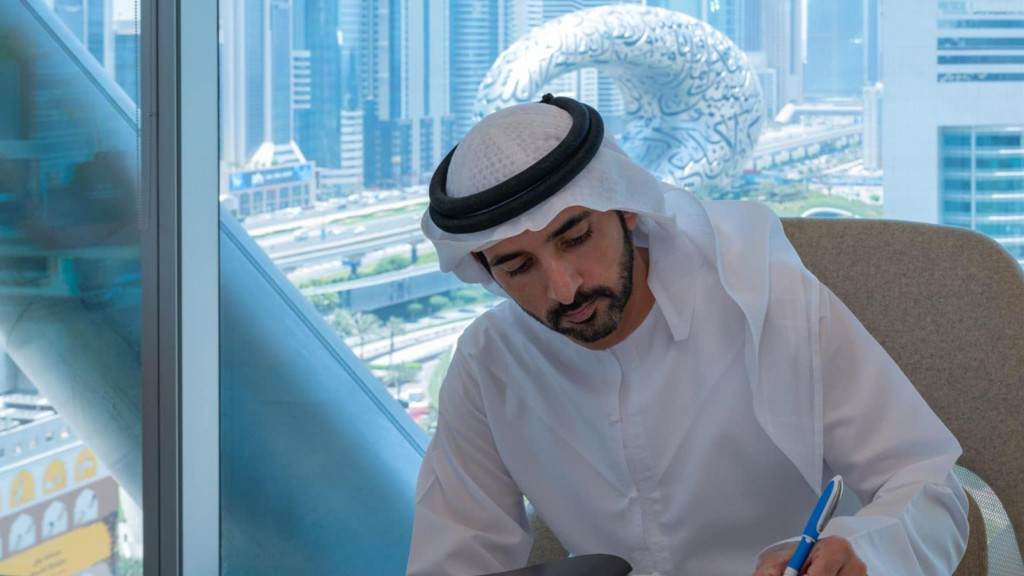
Sheikh Hamdan recognises those preserving Emirati heritage
The AED 1 million allocation is intended to honour participants who continue to protect and develop date palm cultivation across the UAE. According to the Government of Dubai Media Office, the grant recognises the efforts of farmers, producers and exhibitors who help maintain the quality of locally grown dates while preserving a practice deeply rooted in Emirati culture.
Date palms have played a vital role in the UAE for centuries, providing food, trade opportunities and economic stability long before the country’s rapid urban development. Today, they remain an important symbol of the nation’s identity, with heritage events helping to pass traditional knowledge to younger generations.
The Dubai Date Festival has become one of the city’s flagship heritage events, blending agriculture, education and community engagement under one platform.
The 2026 festival introduced new opportunities for families
This year’s festival expanded participation by introducing two new Tamrat Al Bayt categories.
The competitions allowed residents to enter dates grown in their own homes, both within Dubai and across the UAE. These additions complemented the existing Nakhla Al Bayt competitions, which recognise well-maintained household palm trees.
According to the Hamdan Bin Mohammed Heritage Centre, the new categories were designed to encourage families to become more involved in preserving traditional farming practices, even outside commercial agriculture.
By opening the competition to home growers, organisers also created new opportunities for residents to learn about palm cultivation and showcase the quality of their produce alongside experienced farmers.
Fifteen competition categories celebrated the UAE’s finest dates
The third edition featured 15 competition categories, highlighting both traditional and premium varieties of Emirati dates.
Participants competed in categories including:
- Hilwat Dubai
- Khneizi Dubai
- Khalas Dubai
- Khalas General
- Boumaan General
- Nukhbat Dubai
- Nukhbat General
- Largest date bunch competitions
- Government entity categories
- Household competitions
Entries were evaluated by a specialist judging committee using established agricultural standards covering fruit quality, cultivation practices and presentation.
The festival also served as a meeting point for agricultural experts, government organisations and palm cultivation specialists, allowing growers to exchange practical knowledge and improve farming techniques.
More than a competition, the festival promotes agriculture and heritage
While the competitions remain the main attraction, the Dubai Date Festival has grown into a broader community event.
Visitors attended educational workshops, heritage demonstrations and family-friendly activities throughout the nine-day programme. Government departments and specialised organisations also showcased services related to agriculture, food security and palm cultivation.
The event reflects Dubai’s wider efforts to preserve Emirati traditions while promoting sustainable agriculture.
The UAE continues to invest heavily in food security through innovation and local agricultural development. Although modern farming technologies are expanding across the country, heritage crops such as date palms remain an important part of national food production and cultural preservation.
By supporting both commercial farmers and household growers, the festival helps strengthen local agricultural knowledge while encouraging future generations to stay connected with Emirati traditions.
Special awards recognised outstanding contributions
The closing ceremony celebrated several outstanding achievements beyond the competition winners.
The prestigious Al Nader Cup was presented during the final awards ceremony, while Ateeq Saif Al Omaimi received the Al Das Al Thahabi (Shield of Excellence) after achieving the highest overall score across the festival’s competitions.
The Hamdan Bin Mohammed Heritage Centre also awarded the Dubai Dates Medal 2026 to the late Abdullah bin Rashid Al Shamsi and Dr Rashid Ahmed Al Mazrouei in recognition of their long-standing contributions to preserving date palm heritage and supporting the sector.
These honours highlight the festival’s broader goal of recognising individuals who have made a lasting impact on the UAE’s agricultural legacy.
Why It Matters?
The initiative goes beyond rewarding competition participants.
For UAE residents, it demonstrates the country’s continued investment in protecting cultural heritage while supporting local agriculture.
Key takeaways:
- Farmers receive recognition for maintaining high-quality date production.
- Families are encouraged to participate through new household competitions.
- Young generations gain opportunities to learn traditional farming practices.
- The agricultural sector benefits from knowledge sharing and stronger community engagement.
- Dubai reinforces its commitment to preserving Emirati heritage alongside modern development.
The festival also supports heritage tourism by showcasing one of the UAE’s oldest traditions to both residents and visitors.
FAQs
Why did Sheikh Hamdan approve the AED 1 million grant?
The grant recognises farmers, producers and exhibitors who contributed to the success of the 2026 Dubai Date Festival and continue to preserve the UAE’s agricultural heritage.
Who organised the Dubai Date Festival?
The festival was organised by the Hamdan Bin Mohammed Heritage Centre.
Where was the festival held?
The event took place at Qalaat Al Rimal on Dubai-Al Ain Road from July 18 to July 26, 2026.
What were the new additions this year?
The festival introduced two Tamrat Al Bayt categories, allowing residents to enter dates grown in their homes across Dubai and the UAE.
Why are date palms important in the UAE?
Date palms are a key part of the UAE’s history, culture and agriculture, representing food security, sustainability and Emirati heritage.
The AED 1 million grant announced by Sheikh Hamdan reinforces Dubai’s commitment to preserving one of the UAE’s most important cultural traditions. By recognising farmers, producers, exhibitors and household growers, the initiative encourages wider community participation while supporting the future of local agriculture. As the Dubai Date Festival continues to grow, it remains an important platform for celebrating Emirati heritage, promoting sustainable farming and inspiring future generations.
Follow Social Kandura for more updates on local news and things to do in Dubai and across the UAE.
Read More