
Dubai’s skyline is filled with standout landmarks, but few are as instantly recognisable as the Burj Al Arab. Now, the city’s most iconic hotel is stepping into a new chapter. A carefully planned 18-month refurbishment will enhance its interiors while preserving the design that made it a global symbol of luxury.
The move signals Dubai’s continued focus on staying ahead in the global hospitality scene, where even timeless icons evolve to meet modern expectations.
A Thoughtful Upgrade, Not a Reinvention
Unlike typical renovations that completely transform a space, this project is more refined in its approach. The goal is not to change what makes the Burj Al Arab special, but to elevate it.
Managed by Jumeirah Group, the hotel’s refresh will focus on enhancing interiors across suites and public spaces. Expect updated materials, improved finishes, and subtle design upgrades that align with current luxury standards.
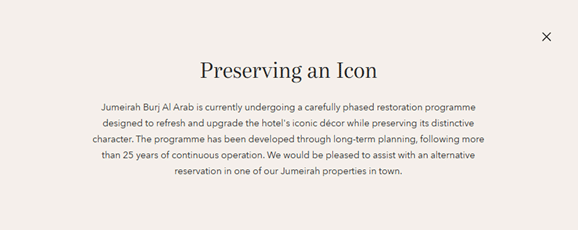
At the same time, its signature elements — from the bold colour palette to the dramatic atrium — will remain untouched. This ensures that guests still experience the same sense of familiarity, just with a more polished edge.
For regular visitors and residents, this is reassuring. The Burj Al Arab isn’t just a hotel; it’s part of Dubai’s identity.
Need for this change
Dubai’s hospitality market is one of the most competitive in the world. New luxury hotels continue to open, each offering cutting-edge design and next-level experiences. In this landscape, even established icons need to evolve.
This upgrade reflects a broader trend across the UAE — maintaining legacy properties while aligning them with modern expectations. It’s not about replacing the old, but refining it.
For Dubai, this matters beyond tourism. The Burj Al Arab has long been a symbol used in global campaigns, postcards, and travel promotions. Keeping it relevant ensures the city retains one of its strongest visual identities.
What Guests Can Expect During the 18 months?
The refurbishment will be carried out in phases to minimise disruption. This means the hotel will remain operational, allowing guests to continue booking stays, dining experiences, and tours.
While exact design details remain under wraps, industry expectations point toward:
- Updated suite interiors with contemporary finishes
- Enhanced lighting and smart-room features
- Refreshed dining and lounge spaces
- Improved comfort without altering layout identity
This phased approach is common in high-end hospitality. It ensures that the guest experience remains uninterrupted while upgrades are rolled out seamlessly.
For tourists planning a visit, this could even add an interesting layer — experiencing a blend of classic luxury with newly introduced design elements.
Preserving a Global Icon
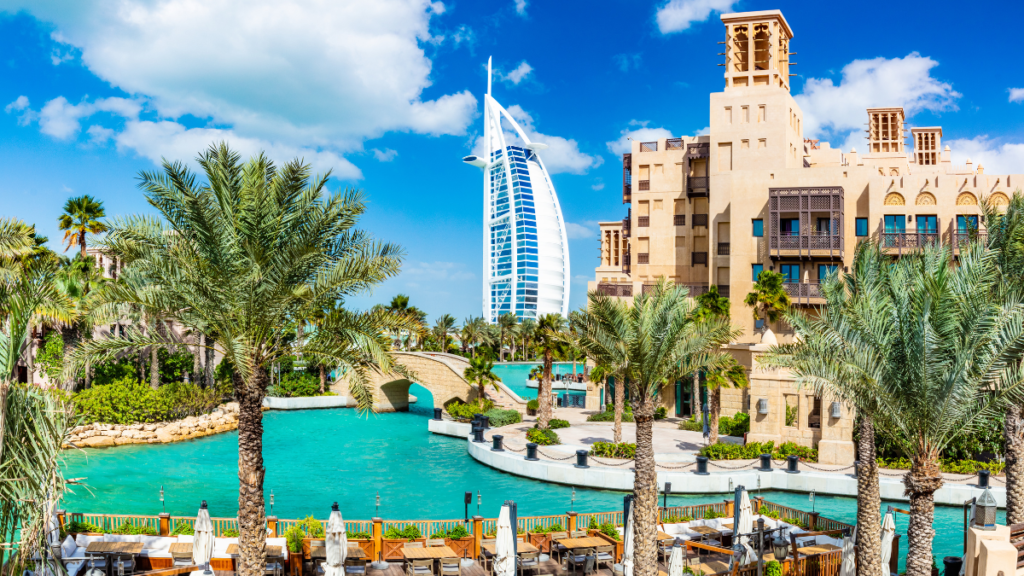
Since its opening in 1999, the Burj Al Arab has stood as one of the most recognisable hotels in the world. Designed to resemble a sail, it quickly became synonymous with Dubai’s ambition and architectural vision.
Over the years, it has hosted global celebrities, royalty, and high-profile events. But beyond that, it has also been part of everyday Dubai life — whether through afternoon teas, staycations, or simply as a backdrop to the city’s coastline.
Preserving this legacy is central to the refurbishment. The challenge lies in modernising without losing character — something the Jumeirah Group is known for handling with precision.
This is not about following trends. It’s about maintaining relevance while respecting history.
A New Era of Luxury Hospitality
The timing of this refresh aligns with Dubai’s broader tourism goals. With major global events, increasing visitor numbers, and a strong push toward premium experiences, the city is reinforcing its position as a luxury destination.
Hotels across Dubai are investing in upgrades, sustainability, and digital innovation. From smart room controls to personalised guest services, expectations have shifted significantly over the years.
The Burj Al Arab’s upgrade reflects this shift. Guests today are looking for more than just visual luxury — they want comfort, technology, and seamless experiences.
By updating its interiors while preserving its identity, the hotel is positioning itself for the future without disconnecting from its past.
The upcoming refurbishment of the Burj Al Arab marks a significant moment for Dubai’s hospitality landscape. It’s a reminder that even the most iconic landmarks need to evolve — not by changing who they are, but by refining what they offer.
As the city continues to grow, projects like this ensure that its most recognisable symbols remain relevant, competitive, and admired worldwide.
Follow Social Kandura for more updates on local news and things to do in Dubai and across the UAE.
Read More