

Dubai Municipality is preparing to introduce a mandatory Building Materials Passport system in early 2027. Initially covering steel, aluminium and cement, the system will require manufacturers and suppliers to register technical details of their materials in a central database. The initiative aims to reduce construction waste, encourage material reuse and support Dubai’s wider circular economy goals.
- Location: Dubai, UAE
- Organisation: Dubai Municipality
- Launch: Early 2027
- Who is affected: Construction material manufacturers, suppliers and other industry stakeholders
- Business impact: New material registration and tracking requirements for the construction sector
- What’s next: Steel, aluminium and cement will be covered initially, with plans to expand to other materials.
Dubai is preparing to give construction materials their own digital passports, changing how steel, aluminium and cement are tracked and reused across the emirate. Dubai Municipality announced the upcoming Building Materials Passport system during Dubai Future Week 2026 at Emirates Towers. The mandatory system is expected to launch in early 2027 and will initially apply to manufacturers and suppliers in the construction industry.
The initiative aims to reduce the amount of construction material sent to landfills when buildings are demolished. Instead of treating these resources as waste, Dubai wants to identify which materials can be recovered, tested and used again in future projects.
What is Dubai’s Building Materials Passport system?
The Building Materials Passport is a digital tracking system that will record important information about construction materials. According to Dubai Municipality, the initial phase will cover steel, aluminium and cement.
Each registered material will receive a unique identification number, along with its technical specifications and other relevant details. Manufacturers and suppliers will have to submit the required information through a central platform managed by the municipality.
The authority will then issue the passport based on the submitted details. Materials that fail to meet the required standards will not receive valid passports.
For example, cement supplied by different manufacturers will have separate passports, making it easier to identify and track individual products.
Dubai Municipality’s broader plan is to extend the system to more construction materials in the future.
How will the new passport system work?
The system is designed to follow materials beyond their initial use in a building.
Once a material is registered, its technical information will be available through the central database. This information will help authorities and industry stakeholders identify the materials used in a particular construction project.
The process will become particularly important when a building reaches the end of its useful life.
After demolition, recovered materials will be sent for laboratory testing to assess their condition and determine whether they can be reused.
During her presentation at Dubai Future Week, Salama Al Suwaidi, an architectural engineer at Dubai Municipality’s Building Permits Department, explained how this could work using steel as an example.
If recovered steel retains around 50% of its original strength, it could potentially be treated and strengthened before being used again, provided it meets the required technical and safety standards.
This approach is known as upcycling. It allows suitable materials to return to the construction supply chain rather than being discarded.
The municipality also intends to improve accountability. Those responsible for a building will be expected to account for the registered materials after demolition, including explaining why recyclable materials were not recovered.
Why does Dubai want to reuse construction materials?
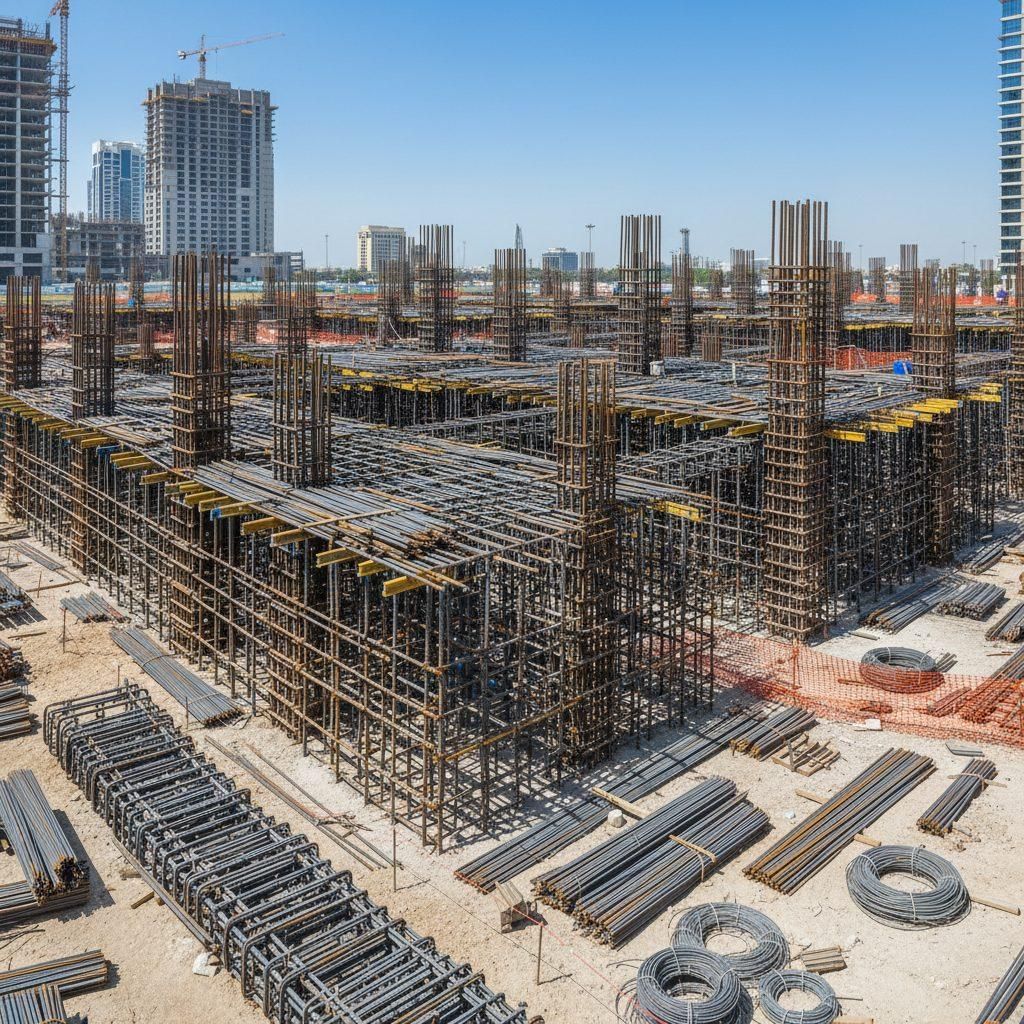
The initiative comes as Dubai continues to expand its construction and infrastructure projects, making the management of building materials an important part of its sustainability plans.
According to Dubai Municipality’s 2025 Sustainability Report, the emirate generated approximately 10.54 million tonnes of construction and demolition waste in 2025. Around 42.1% of this waste was diverted from landfills.
The report also recorded a 53% increase in construction and demolition waste compared with 2024.
These figures highlight the challenge of managing materials after buildings are renovated or demolished.
The UAE’s Circular Economy Policy 2021–2031 also identifies construction and demolition waste as a major area for improvement. The policy encourages businesses and industries to use resources more efficiently and reduce waste.
Dubai has already introduced measures to support this transition. In June 2023, Dubai Municipality issued a circular requiring construction and demolition contractors to separate different waste materials before transportation.
The requirements cover materials such as concrete, reinforcing bars, wood, tiles, aluminium and metal sections.
The Building Materials Passport takes this approach further by creating individual records for construction materials rather than focusing only on the quantities of waste collected.
What does this mean for Dubai’s construction industry?
Manufacturers and suppliers will have to prepare for the new registration requirements before the system becomes mandatory in 2027.
They will need to provide accurate technical information about the materials they supply. This could also make material documentation and traceability more important when businesses select suppliers or plan construction projects.
For contractors and developers, the system could offer better visibility of the materials used in their buildings. This information may also help during renovation, dismantling and demolition.
Dubai’s wider waste management regulations are moving in the same direction. Administrative Resolution No. 34 of 2026, which implements Dubai’s Waste Management Law No. 18 of 2024, includes provisions for recycled construction materials.
The regulations allow authorities to determine minimum recycled-material percentages for certain projects and activities, taking into account availability, quality and technical requirements.
However, recovered materials cannot automatically be used in new buildings. They must meet the relevant technical and safety standards.
Dubai Municipality expects the passport system to support several long-term objectives, including reducing dependence on imported materials, lowering construction costs and cutting carbon emissions.
These remain intended benefits, and their actual impact will depend on how widely the system is adopted and how effectively materials can be recovered.
Dubai’s Building Materials Passport system could change how construction companies manage resources throughout a building’s life.
For manufacturers and suppliers, it introduces new documentation and compliance requirements. Developers and contractors will need to pay closer attention to material records, while recycling and recovery businesses could benefit from better information about the resources available for reuse.
For residents, the initiative forms part of Dubai’s wider efforts to reduce construction waste and manage its growing urban development more sustainably.
The system will initially focus on three widely used construction materials. Its expansion to other materials will determine how much of the emirate’s construction supply chain can eventually be covered.
FAQs
When will Dubai introduce the Building Materials Passport system?
Dubai Municipality is expected to launch the mandatory system in early 2027. The exact implementation date has not yet been announced.
Which construction materials will need passports?
The initial phase will cover steel, aluminium and cement. Dubai Municipality has indicated that it wants to expand the system to additional construction materials in the future.
Who must comply with the new requirements?
Manufacturers and suppliers operating in Dubai’s construction industry will be required to register their materials and provide the necessary technical specifications.
Can materials from demolished buildings be reused?
Yes, provided they pass the required laboratory tests and meet applicable technical and safety standards. Suitable materials can be treated, recovered and used in new construction projects.
Why is Dubai introducing digital passports for building materials?
The system aims to improve material tracking, reduce construction waste, encourage recycling and upcycling, and support the emirate’s circular economy objectives.
Dubai’s upcoming Building Materials Passport system marks another step towards changing how the construction industry manages its resources. By tracking steel, aluminium and cement from production to demolition, the emirate wants to make it easier to recover valuable materials and give them another use.
The mandatory system is expected to begin in early 2027, with more construction materials potentially joining the programme in the coming years.
Follow Social Kandura for more updates on local news and things to do in Dubai and across the UAE.
Read More
- Building Material Tracking
- Building Regulations Dubai
- Dubai Building Material Passports 2027
- Dubai Construction Rules 2027
- Dubai real estate news
- Dubai Sustainability Initiatives
- Dubai to Make Building Material Passports Mandatory in 2027
- Dubai's Building Materials Passport system
- Green Building Dubai
- Social Kandura
- Social Kandura Media
- Social Kandura Media News
- Sustainable Construction UAE
- UAE Construction Industry