

Dubai’s Roads and Transport Authority (RTA) is examining a proposed underground transport network that could form part of the emirate’s future mobility system. Announced by RTA Director General Mattar Al Tayer at the Mohammed bin Rashid Leadership Forum on October 13, 2026, the proposal reflects Dubai’s plans to expand transport options beyond roads and conventional public transport. Residents, commuters, businesses and visitors could benefit from a more connected transport network if the plans progress.
- Location: Dubai, UAE
- Organisation: Dubai Roads and Transport Authority (RTA)
- Status: Proposed integrated network under study
- Who is affected: Residents, commuters, visitors and businesses
- Business impact: Potential opportunities in transport infrastructure, logistics and related services
- What’s next: Further details on routes, stations, costs and timelines have yet to be confirmed
Dubai is exploring a new underground transport network as part of a wider plan to reshape how people and goods move around the city. Mattar Al Tayer, Director General and Chairman of the Board of Executive Directors of the RTA, announced the proposal at the Mohammed bin Rashid Leadership Forum on October 13, 2026.
The proposed integrated underground system is still under study. It forms part of a broader vision that combines ground transport, air mobility and underground infrastructure to meet Dubai’s growing travel needs. While the RTA has not confirmed a construction schedule or budget for the wider network, the announcement adds to a series of transport developments aimed at improving connectivity across the emirate.
Dubai’s Future Transport Network Could Extend Underground
Al Tayer described a future in which Dubai’s transport system operates across three dimensions: the ground, the sky and underground routes.
At ground level, the vision includes flexible roads and more green spaces for walking and social interaction. In the sky, air taxis could help shorten some journeys. Underground, an integrated network could carry people, goods and services while making more efficient use of urban space.
The proposed system could also create opportunities for investment and support more efficient movement across the city. However, the RTA has not yet released a confirmed route map, station list or technical details for the wider underground proposal.
This distinction matters because the announcement outlines a future mobility vision rather than a completed infrastructure plan.
Why Dubai Is Looking Beyond Roads?
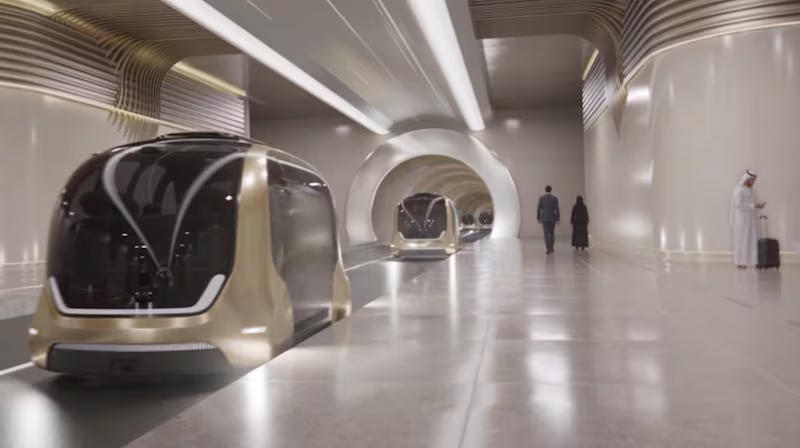
Dubai’s transport demand is a major factor behind its long-term planning. According to Al Tayer, the emirate records more than 11 million journeys on its roads every day, equivalent to over 7,000 journeys a minute.
He also said more than six million people move around Dubai during daylight hours, with that number expected to double by 2040.
These figures highlight the pressure that population growth and daily commuting can place on the city’s transport network. Dubai’s population reached approximately 4.58 million by the end of 2025, according to government statistics cited in reporting on the announcement.
Underground infrastructure could provide another way to move people and goods without relying entirely on surface roads. Its practical impact, however, will depend on the final design, capacity, connections with existing transport and the cost of implementation.
Dubai Loop Is a Separate Underground Project
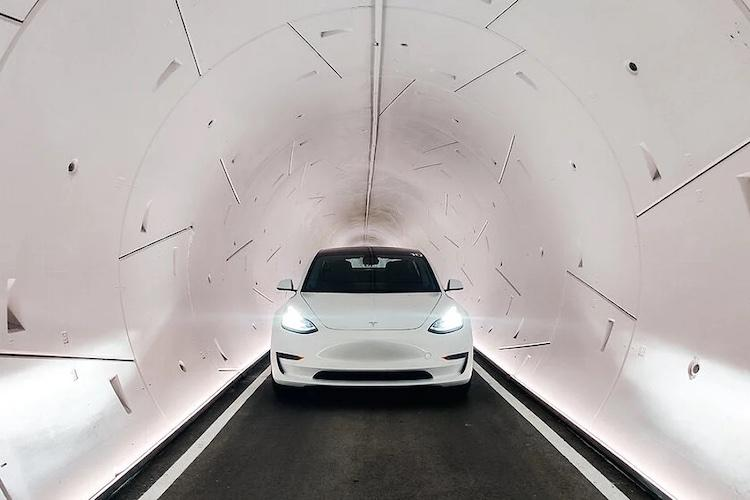
The new proposal comes as Dubai advances another underground transport initiative: Dubai Loop, developed through a partnership between the RTA and Elon Musk’s Boring Company.
The first phase of Dubai Loop is planned to connect the Dubai International Financial Centre (DIFC) with Dubai Mall. The initial section covers around 6.4 kilometres and includes four stations, with an estimated cost of AED 565 million.
The wider Dubai Loop project is planned to extend approximately 22 kilometres, with 19 stations and an estimated total cost of around AED2 billion.
The two initiatives should not be confused. Dubai Loop is a specific tunnel project with a defined initial route, while the newly announced integrated underground network remains under study.
Together, they reflect Dubai’s interest in using underground infrastructure to support future transport demand. Further announcements will be needed to establish whether the wider proposal will connect with Dubai Loop or operate as a separate system.
Driverless Taxis and Air Taxis Are Part of the Plan
Dubai’s future mobility strategy also includes autonomous vehicles and commercial air transport.
The RTA aims to make one in every four journeys in Dubai autonomous by 2030. Al Tayer said driverless taxis had travelled more than four million kilometres in the preceding year, highlighting the progress of autonomous mobility in the emirate.
Dubai is also preparing for urban air mobility, with its first air-taxi station planned to open in 2026, according to the October announcement.
These developments point towards a transport system that combines different modes rather than depending on a single solution. Underground routes could potentially support passenger journeys and goods movement, while autonomous vehicles and air taxis offer additional options.
The extent to which these systems will connect remains unclear. The RTA has not announced an integrated operating plan covering all three dimensions.
What the Underground Network Could Mean for Residents and Businesses?
For residents, the potential benefit is an additional transport option as Dubai continues to grow. If the proposed network moves forward, its usefulness will depend on where stations are located, how frequently services run and whether passengers can connect easily with the Metro, buses and other transport services.
Businesses could also benefit from improved movement of goods and access to commercial areas. An underground system designed to carry services and freight could create new possibilities for logistics and infrastructure planning, although the RTA has not confirmed specific commercial arrangements.
Tourists may also find a more connected transport system useful when travelling between shopping districts, hotels and attractions. These benefits remain potential outcomes, not confirmed features of the proposed network.
Dubai’s transport chief also highlighted the economic value of infrastructure investment. He said transport projects had delivered savings exceeding AED319 billion and added AED156 billion to the emirate’s economy.
Dubai’s underground transport proposal is significant because it looks beyond adding more roads to meet future demand. The city is examining how different transport systems could work together as its population and daily travel needs increase.
Residents, commuters, tourists and businesses may benefit if the proposal develops into a practical network. For now, the next important steps are confirmation of the route, project scope, budget and implementation timeline.
FAQs
Is Dubai building a new underground transport network?
The RTA is studying a proposed integrated underground transport system. A construction schedule and final project details have not been announced.
Who announced Dubai’s underground transport proposal?
Mattar Al Tayer, Director General and Chairman of the Board of Executive Directors of Dubai’s RTA, announced the proposal at the Mohammed bin Rashid Leadership Forum on October 13, 2026.
Is the new underground network the same as Dubai Loop?
No. Dubai Loop is a separate underground tunnel project with a planned initial route between DIFC and Dubai Mall. The wider integrated network remains under study.
When will Dubai’s proposed underground network open?
There is no confirmed opening date for the wider proposed network. The RTA has not announced a construction timeline.
Will Dubai’s underground transport system carry goods as well as passengers?
The proposal is intended to move people, goods and services. Further details about its design and operating arrangements have not yet been confirmed.
Dubai is exploring underground transport as part of a wider strategy to prepare for future mobility needs. The proposal remains at the study stage, while Dubai Loop represents a separate tunnel initiative with a defined first phase. Residents and businesses will need to wait for further RTA announcements to learn how the wider network could take shape.
Follow Social Kandura for more updates on local news and things to do in Dubai and across the UAE.
Read More
- Dubai mobility solutions
- Dubai Plans New Underground Transport Network
- dubai public transport
- Dubai transport news
- Dubai transport plans
- Dubai underground transport network
- Entertainment News
- RTA future mobility
- RTA projects
- Social Kandura
- Social Kandura Media
- Social Kandura Media News
- things to do in dubai
- UAE
- underground transport Dubai