

Dubai has announced new regulations for body camera recordings used by enforcement officers and authorities. The rules focus on privacy protection, secure storage of footage, controlled access, and proper use of recordings during inspections and judicial procedures.
The new resolution was issued by Sheikh Hamdan bin Mohammed bin Rashid Al Maktoum and aims to establish clearer standards for the collection and handling of video evidence in Dubai.
Dubai tightens rules around body camera recordings
Dubai has officially introduced a new legal framework regulating the use of body cameras by enforcement officers during inspections, field operations, and the execution of judicial decisions.
The resolution was issued by Sheikh Hamdan bin Mohammed bin Rashid Al Maktoum, Crown Prince of Dubai, Deputy Prime Minister, and Minister of Defence of the UAE. The announcement was reported by Dubai Media Office and Arabian Business on 2 June 2026.
The new rules focus heavily on privacy, data protection, and responsible use of recorded footage. They also establish clear technical and operational standards for government entities and authorised personnel using wearable cameras in Dubai.
The move comes as Dubai continues expanding smart governance systems and digital enforcement tools across different sectors.
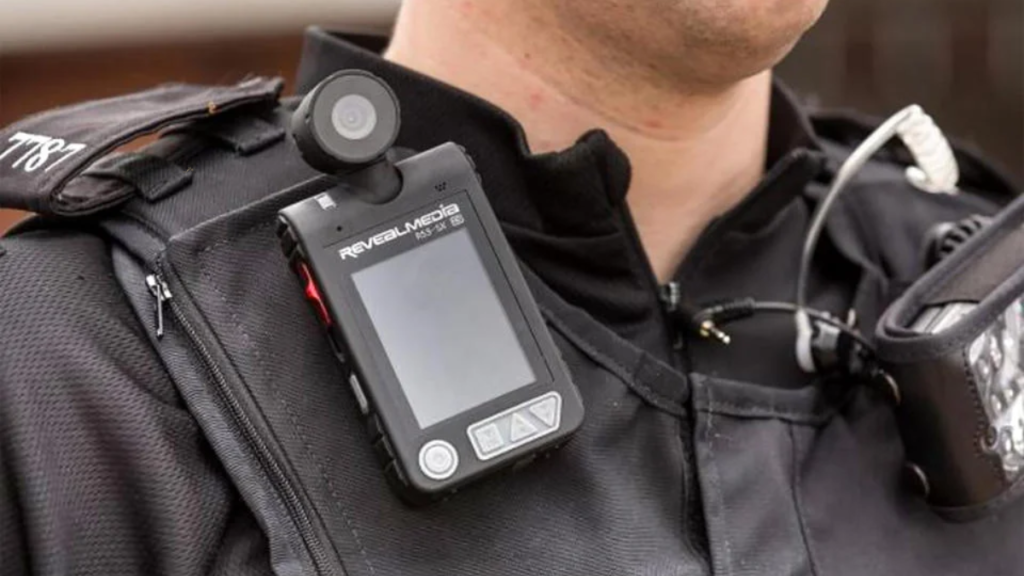
What do the new body camera rules actually cover?
The resolution regulates how body cameras can be used while documenting violations, carrying out inspections, and executing judicial judgments, decisions, and official orders.
Under the new framework, authorised officers must follow strict rules while recording individuals in public or private spaces. The regulations also define when cameras can be activated, how long recordings should be stored, and who can access the footage.
Dubai’s latest rules aim to prevent the misuse of recordings while ensuring transparency during official procedures.
Authorities must also make sure recordings are protected against tampering, leaks, or unauthorised sharing.
The resolution reportedly includes:
- Privacy and confidentiality safeguards
- Secure storage systems for recordings
- Technical standards for camera devices
- Access control measures
- Staff training requirements
- Rules for handling and deleting footage
- Conditions for using recordings as evidence
This means government departments and enforcement agencies will now need stronger internal systems to manage recorded data responsibly.
Why is Dubai introducing these new privacy safeguards?
Dubai has rapidly increased the use of digital systems and smart technologies across public services in recent years. From AI-powered traffic systems to smart inspections and paperless government services, authorities are placing more focus on accountability and digital security.
Body cameras are increasingly being used worldwide to document incidents, improve transparency, and support legal procedures. However, they also raise concerns around personal privacy and misuse of footage.
Dubai’s new rules appear designed to balance both sides — allowing authorities to use modern enforcement technology while protecting the rights of residents, visitors, and businesses.
The resolution also reflects the UAE’s broader push toward stronger cybersecurity and personal data protection frameworks.
In 2021, the UAE introduced the Federal Decree-Law on the Protection of Personal Data, establishing stricter rules around handling personal information across the country.
How could these rules affect Dubai residents and businesses?
For residents and businesses in Dubai, the new framework provides more clarity on how recorded footage can be collected and used during inspections or official enforcement actions.
For example, if a municipal inspector, judicial officer, or authorised enforcement official uses a body camera during an operation, the footage must now be handled in accordance with regulated procedures.
This could help improve transparency during disputes, investigations, and enforcement activities while also giving residents stronger privacy protections.
Businesses operating in sectors with frequent inspections — including retail, hospitality, construction, transport, and food services — may also see increased use of regulated recording systems during official visits.
At the same time, the rules place greater responsibility on authorities to properly secure sensitive footage and prevent unauthorised access.
Dubai continues expanding smart governance systems
Dubai has consistently introduced new digital regulations as part of its smart city vision and long-term governance strategy.
The emirate already uses advanced technologies across policing, traffic management, transport systems, and public services. The latest body camera resolution adds another layer to Dubai’s growing digital enforcement ecosystem.
According to Dubai Media Office, the resolution also outlines mandatory training standards for personnel using body cameras, ensuring officers understand both operational procedures and privacy responsibilities.
The regulations are expected to support more consistent documentation practices across government entities while reducing risks linked to improper recording or data misuse.
FAQ’s
Q: Who issued Dubai’s new body camera resolution?
A: The resolution was issued by Sheikh Hamdan bin Mohammed bin Rashid Al Maktoum, Crown Prince of Dubai, Deputy Prime Minister, and Minister of Defence of the UAE.
Q: What are the new body camera rules about?
A: The rules regulate how enforcement officers and authorised personnel can record footage during inspections, violations, and judicial procedures while protecting privacy and securing data.
Q: Will body camera footage be protected under the new rules?
A: Yes. The resolution includes strict privacy safeguards, secure storage requirements, access controls, and rules against unauthorised sharing or tampering with footage.
Q: Could these rules affect businesses in Dubai?
A: Yes. Businesses that regularly deal with inspections or enforcement visits may see more regulated use of body camera systems during official procedures.
Q: Why is Dubai introducing these regulations now?
A: Dubai is continuing its smart governance and digital transformation efforts while also strengthening privacy and data protection standards across public services.
Dubai’s new body camera regulations mark another step in the emirate’s push toward smarter and more transparent governance. While the use of wearable recording technology continues to grow globally, the latest framework aims to ensure privacy, accountability, and secure handling of sensitive footage across Dubai.
Follow Social Kandura for more updates on local news and things to do in Dubai and across the UAE.
Read More
- Camera Recordings
- digital enforcement ecosystem Dubai
- digital systems and smart technologies
- Dubai Introduces New Rules for Body Camera Recordings
- new body camera rules
- New Rules for Body Camera Recordings
- smart governance systems
- smart technologies
- Social Kandura
- Social Kandura Media
- Social Kandura Media News