

The UAE has updated its Emiratisation requirements for private healthcare companies.
Healthcare facilities with 50 or more employees must now allocate 50% of their annual Emiratisation targets to specialised healthcare professions, while the remaining 50% can be fulfilled through other skilled positions.
The move aims to increase Emirati participation in clinical healthcare roles and strengthen the country’s long-term healthcare workforce.
The UAE has introduced a major update to its Emiratisation programme, bringing new hiring requirements for private healthcare providers across the country.
The new rule, announced jointly by the Ministry of Human Resources and Emiratisation (MoHRE) and the Ministry of Health and Prevention (MoHAP), requires eligible healthcare establishments to divide their annual Emiratisation targets equally between specialised healthcare jobs and other skilled positions.
The decision is part of the UAE’s broader efforts to create more career opportunities for Emirati professionals while supporting the growth and sustainability of the healthcare sector.
For hospitals, clinics and medical centres operating across Dubai, Abu Dhabi, Sharjah and the Northern Emirates, the update will influence future recruitment strategies and workforce planning.
What has changed under the new Emiratisation rule?
Private-sector companies employing 50 or more workers are already required to increase Emiratisation rates in skilled jobs each year.
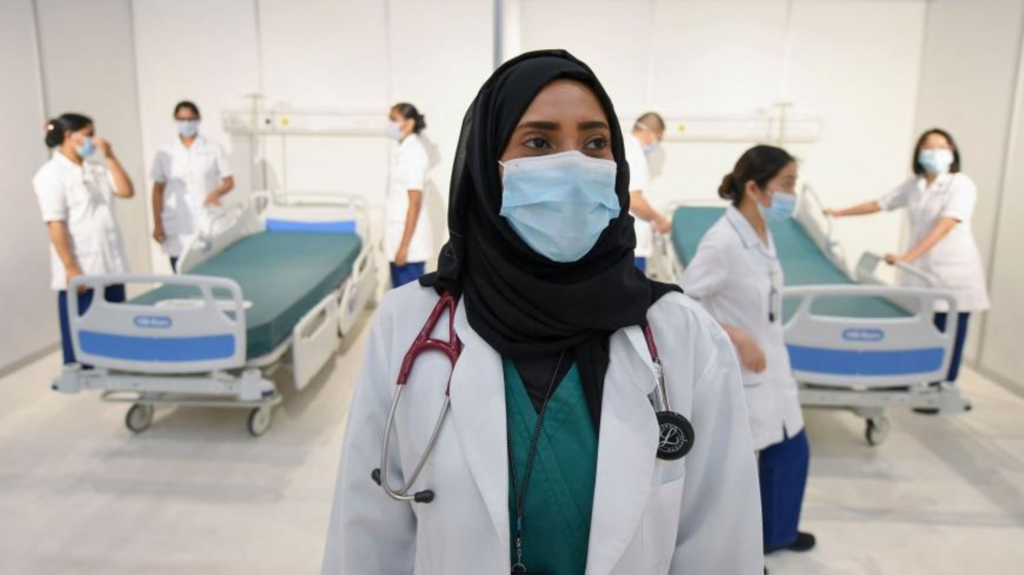
Under the revised healthcare-sector requirements, private healthcare facilities must now ensure that half of their annual Emiratisation target is achieved through specialised healthcare professions.
These positions may include doctors, nurses, pharmacists, laboratory specialists, radiographers, physiotherapists and other licensed healthcare professionals.
The remaining half of the target can still be fulfilled through other skilled roles within healthcare organisations, including administrative, technical and management positions.
By introducing this requirement, the UAE is placing greater emphasis on increasing the number of Emiratis working directly in healthcare delivery rather than concentrating primarily on support functions.
Why is the UAE focusing on healthcare careers?
Healthcare continues to be one of the fastest-growing sectors in the UAE.
The country has invested heavily in hospitals, medical research, specialised treatment centres and healthcare technology over the past decade. At the same time, demand for healthcare services continues to rise as the population grows.
According to the Ministry of Human Resources and Emiratisation, increasing Emirati participation in specialised healthcare professions will help build a stronger national talent pipeline and support the long-term needs of the sector.
The initiative also aligns with the UAE’s wider Emiratisation strategy and programmes such as Nafis, which encourage private-sector employment among UAE nationals.
For young Emiratis studying medicine, nursing, pharmacy and allied health sciences, the new rule could create more opportunities to enter the private healthcare sector and build long-term careers within the country.
Which healthcare companies will be affected?
The amended requirement applies to private healthcare establishments employing 50 workers or more.
This includes:
- Private hospitals
- Medical centres
- Specialised clinics
- Day surgery centres
- Diagnostic facilities
- Other licensed healthcare providers
Healthcare organisations that already fall under existing Emiratisation regulations will need to review their hiring plans to ensure they meet the new allocation requirement.
The overall Emiratisation target remains unchanged. However, employers must now achieve those targets through a more balanced mix of healthcare and non-healthcare skilled positions.
A closer look at the impact on jobs and hiring
For healthcare employers, the update may encourage stronger partnerships with universities, medical colleges and training institutions to attract qualified Emirati talent.
Recruitment efforts are expected to focus more heavily on specialised healthcare professionals as organisations work to meet future targets.
For Emirati job seekers, the decision could open additional opportunities in clinical healthcare fields that have traditionally relied heavily on international talent.
The healthcare sector offers a wide range of career paths, from nursing and pharmacy to medical imaging, rehabilitation services and laboratory sciences.
As healthcare facilities continue expanding across the UAE, demand for qualified professionals is expected to remain strong.
How does this support the UAE’s long-term vision?
The UAE has consistently identified healthcare as a strategic sector that contributes to national development and quality of life.
Through initiatives aimed at increasing local participation in key industries, the country is working to create a highly skilled workforce capable of supporting future economic growth.
State news agency WAM has frequently highlighted the government’s commitment to strengthening Emirati talent across strategic sectors, including healthcare, technology and advanced industries.
The latest healthcare Emiratisation update reflects that wider vision by ensuring more UAE nationals play an active role in shaping the future of healthcare services across the country.
As the healthcare sector evolves, the policy is expected to support both workforce development and the delivery of high-quality medical services for residents nationwide.
FAQ’s
Q: What is the new Emiratisation rule for private healthcare companies in the UAE?
A: Private healthcare establishments with 50 or more employees must now allocate half of their annual Emiratisation targets to specialised healthcare professions and the remaining half to other skilled roles.
Q: Which healthcare jobs count as specialised healthcare professions?
A: These may include doctors, nurses, pharmacists, laboratory specialists, physiotherapists, radiographers and other licensed healthcare professionals.
Q: Does the new rule increase existing Emiratisation targets?
A: No. The overall Emiratisation target remains the same. The change only affects how healthcare companies distribute those hires.
Q: Which healthcare facilities are affected?
A: The rule applies to private healthcare establishments with 50 or more employees, including hospitals, clinics, medical centres and diagnostic facilities.
Q: Why has the UAE introduced this change?
A: The goal is to increase Emirati participation in specialised healthcare careers and strengthen the long-term sustainability of the UAE healthcare sector.
The UAE’s latest Emiratisation update marks another step towards increasing national participation in critical industries. By directing more Emiratisation efforts towards specialised healthcare professions, the government aims to build a stronger healthcare workforce while creating meaningful career opportunities for Emiratis.
For healthcare providers, the focus will now shift towards attracting and developing local medical talent. For Emirati healthcare professionals and students, the change could unlock new opportunities in one of the country’s most important sectors.
Follow Social Kandura for more updates on local news and things to do in Dubai and across the UAE.
Read More
- clinics and medical centres in UAE
- Emirati
- Emirati participation
- Emiratisation programme
- healthcare companies UAE
- medical services
- medical services for residents nationwide
- Ministry of Health and Prevention
- Ministry of Human Resources and Emiratisation
- new Emiratisation rule
- Private Healthcare Sector
- roles and strengthen
- Social Kandura
- Social Kandura Media
- Social Kandura Media News
- UAE focusing on healthcare careers