

Saudi Arabia’s volcanic basalt from the western harrats has been officially recognised as an IUGS Heritage Stone, marking the Kingdom’s first designation of this kind. The International Union of Geological Sciences (IUGS) approved the nomination submitted by the Saudi Geological Survey (SGS) in September 2026. The recognition highlights basalt’s role in shaping western Saudi Arabia’s landscape, architecture, settlement and history, while also supporting geological research and heritage conservation.
- Location: Western Saudi Arabia, particularly the volcanic harrats
- Organisation: Saudi Geological Survey and International Union of Geological Sciences
- Status: Designated as an IUGS Heritage Stone in 2026
- Who is affected: Researchers, heritage professionals, local communities and visitors
- Business impact: Supports geological research, conservation and potential geotourism opportunities
- What’s next: Greater international cooperation around Saudi Arabia’s geological heritage
Saudi Arabia’s Harrats Basalt has been officially recognised as an IUGS Heritage Stone, giving the Kingdom its first international heritage-stone designation. The International Union of Geological Sciences approved the Saudi Geological Survey’s nomination of volcanic basalt found across the country’s western harrats. The recognition reflects the rock’s geological importance as well as its long history in construction, settlement and cultural heritage. It also puts Saudi Arabia’s dramatic volcanic landscapes on the international geoheritage map.
What is Saudi Arabia’s Harrats Basalt?
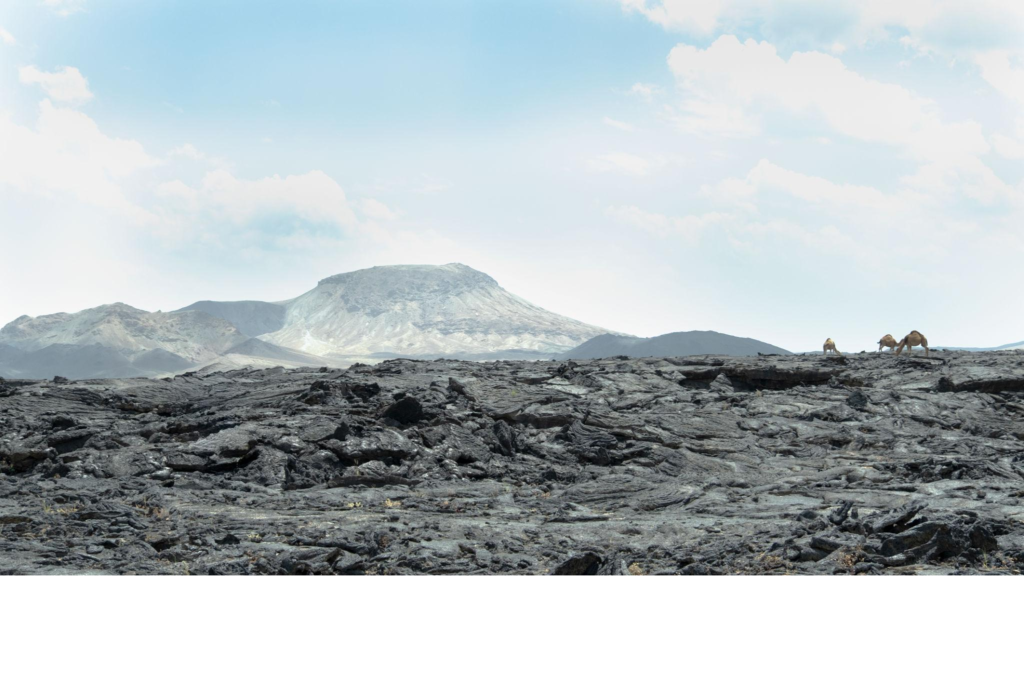
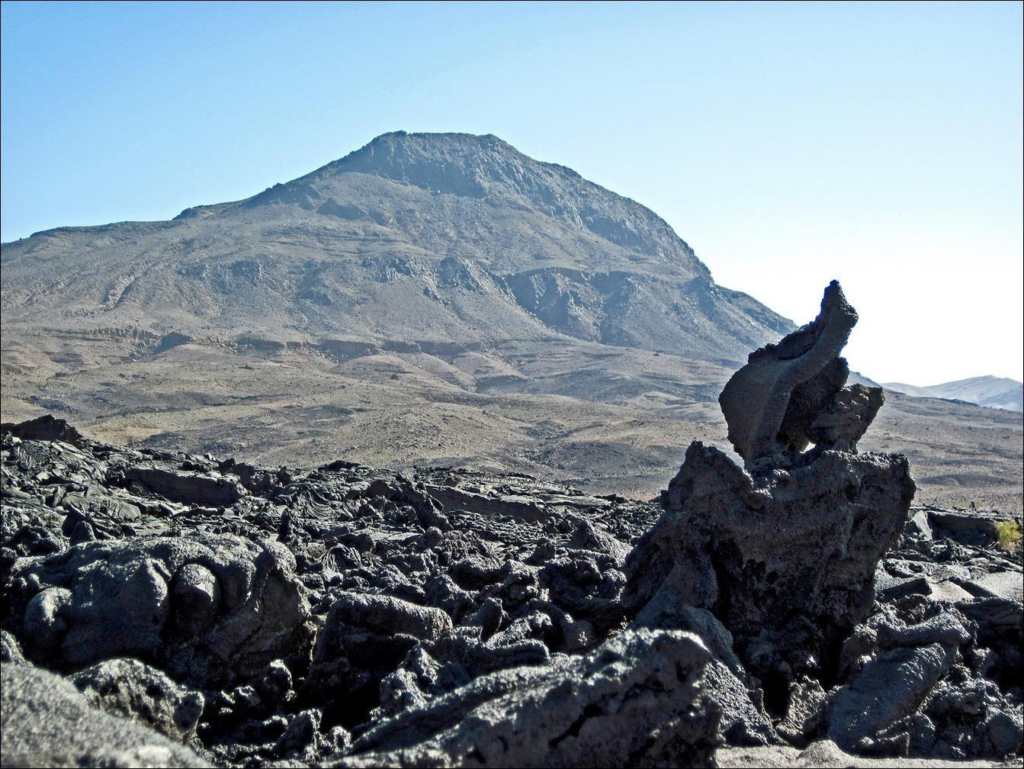
The Harrats Basalt refers to basaltic rocks found across the extensive volcanic fields of western Saudi Arabia. The term harrat or harra is used locally for these lava-covered areas.
According to IUGS, the western Arabian harrats form the largest Neogene-Quaternary monogenetic volcanic province on Earth. These dark lava fields have helped define the appearance of western Arabia, with some stretching across vast areas along the eastern side of the Red Sea.
A 2026 study published in the journal Geoheritage describes the Harrats as a major geological feature that has influenced the landscape and human activity for thousands of years.
The research also notes that Saudi Arabia has more than a dozen major volcanic fields along its western margin. Together, these landscapes cover a substantial part of the country and contain evidence of long-running volcanic activity.
Why did IUGS recognise the basalt as a Heritage Stone?
The designation is based on more than the rock’s geological appearance.
IUGS Heritage Stones are natural stones with documented historical and cultural importance, particularly through their use in architecture, monuments and traditional construction. The Saudi basalt met several criteria considered in the Heritage Stone process, including its long history of use, wide geographic distribution, cultural significance and documented geological characteristics.
The 2026 research that proposed the Saudi basalt for heritage-stone status documented its use in foundations, walls and building facades. Basalt was also used for important structures during later periods, including mosques, railway stations, fortresses and government buildings.
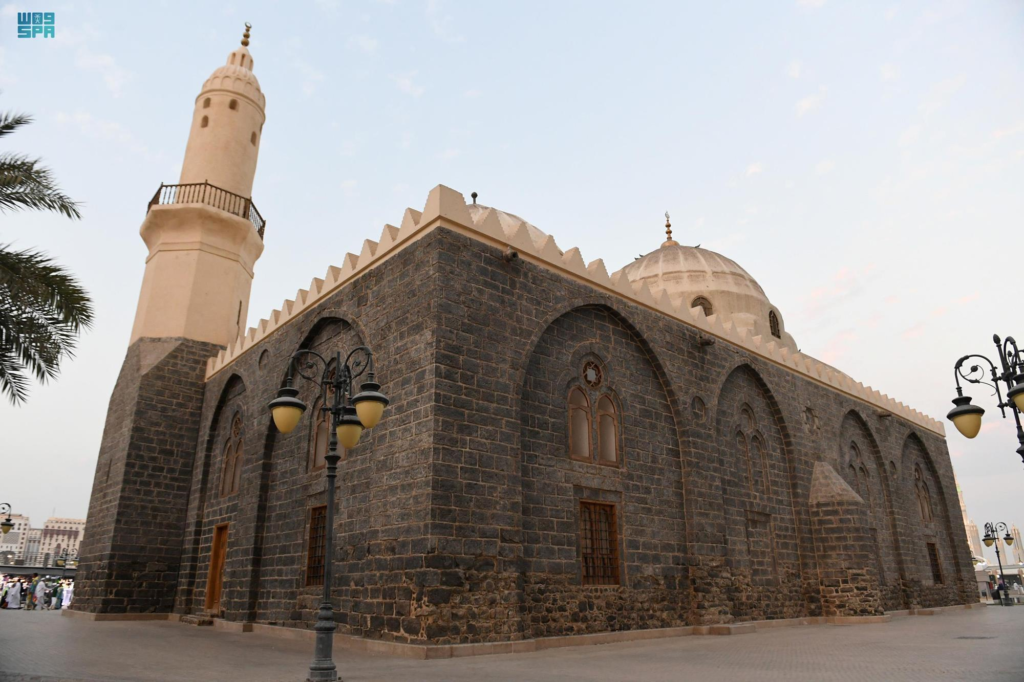
The IUGS listing specifically highlights Masjid Al-Ghamama in Al Madinah, where carefully shaped basalt blocks form part of the historic structure.
How has basalt shaped Saudi Arabia’s history?
Basalt has been part of life in western Arabia for far longer than modern construction.
Research published in Geoheritage records ancient basalt stone walls dating back to the Neolithic period, with some structures potentially linked to even earlier human activity. Basalt was also used for Stone Age tools, including axes and grinding stones.
The volcanic terrain itself may have influenced how people moved and settled across the region. Researchers say the relatively flat surfaces of some harrats could have supported human migration, while lava tubes, elevated areas and spaces between volcanic cones created environments that could support habitation.
In Al Madinah, basalt became particularly important because volcanic rock surrounds the city. Historic structures such as the Anbariya Mosque, associated with the Hejaz Railway complex, were built using basalt. The stone also appears in historic water-management structures and other heritage sites around the region.
Does Saudi Arabia still use basalt today?
Yes. Basalt remains an important construction material in western Saudi Arabia.
The Saudi Geological Survey says the rock’s strength, durability and resistance to heat and erosion make it useful for aggregates and infrastructure materials. Modern applications have also expanded into areas such as fibres, composites and insulation.
The 2026 research notes that basalt aggregates have been used in modern infrastructure, including foundations associated with the Haramain High-Speed Railway network.
Some quarries are also located close to road and railway networks. This can make transportation of the material more efficient for construction projects.
The new heritage designation does not change basalt’s existing industrial uses. Instead, it adds an international heritage dimension to a resource that has already played a practical role in the region for centuries.
What does the recognition mean for tourism and research?
The designation could give Saudi Arabia another way to showcase its geological landscapes alongside its archaeological and cultural attractions.
The Kingdom’s volcanic fields include distinctive landscapes around areas such as Al Madinah and Harrat Khaybar, where visitors can see lava formations, volcanic cones and ancient stone structures.
For researchers, the recognition provides another platform for studying Saudi Arabia’s volcanic history, archaeology and geoheritage. The Saudi Geological Survey also said the designation can support wider scientific cooperation and efforts to document and protect the Kingdom’s geological heritage.
The 2026 scientific study also points to opportunities for geological education and tourism. Understanding the volcanic landscapes can help visitors connect the physical terrain with the history of human settlement in western Arabia.
For UAE residents, the recognition is another example of how GCC countries are documenting and promoting natural and cultural heritage beyond traditional landmarks.
Saudi Arabia is already developing a wider tourism offering around archaeological sites, historic cities and natural landscapes. Its volcanic regions add a different dimension, combining geology, ancient human activity and architecture.
The new IUGS designation could also encourage more international research and conservation work around the harrats. For travellers, it provides another reason to look beyond Saudi Arabia’s better-known desert, coastal and heritage attractions when exploring the Kingdom.
FAQs
What is the Harrats Basalt?
Harrats Basalt refers to the basaltic volcanic rocks found across Saudi Arabia’s western harrats, or extensive lava fields.
When was Saudi Arabia’s Harrats Basalt recognised?
The Harrats Basalt received its IUGS Heritage Stone designation in 2026, following a nomination by the Saudi Geological Survey.
Is this Saudi Arabia’s first IUGS Heritage Stone?
Yes. The Saudi Geological Survey describes the Harrats Basalt as the first heritage stone from the Kingdom to receive IUGS recognition.
Where can visitors see Saudi Arabia’s basalt landscapes?
The volcanic harrats are mainly spread across western Saudi Arabia, including areas around Al Madinah and Harrat Khaybar. These regions contain extensive lava fields and volcanic features.
Why is basalt important to Saudi Arabia?
Basalt has geological, historical and practical value. It has been used in construction and tools for thousands of years and remains an important material for modern infrastructure, while the volcanic landscapes provide opportunities for research, education and geotourism.
Saudi Arabia’s Harrats Basalt is now officially part of the IUGS Heritage Stone list, marking the Kingdom’s first recognition of this type. The designation highlights how the dark volcanic landscapes of western Saudi Arabia are connected not only to the country’s geology but also to its architecture, ancient settlement and modern infrastructure.
Follow Social Kandura for more updates on local news and things to do in Dubai and across the UAE.
Read More