

What happened?
Saudi Arabia is set to witness its first total solar eclipse in more than 75 years on Monday, August 2, 2027, according to the Saudi Space Agency.
Who is affected?
Residents across Saudi Arabia, astronomy enthusiasts, researchers, tourists, and travellers planning to witness the rare celestial event.
Why does it matter?
The eclipse is expected to be one of the longest total solar eclipses of the 21st century, putting Saudi Arabia in the global spotlight for astronomy, scientific research, and eclipse tourism.
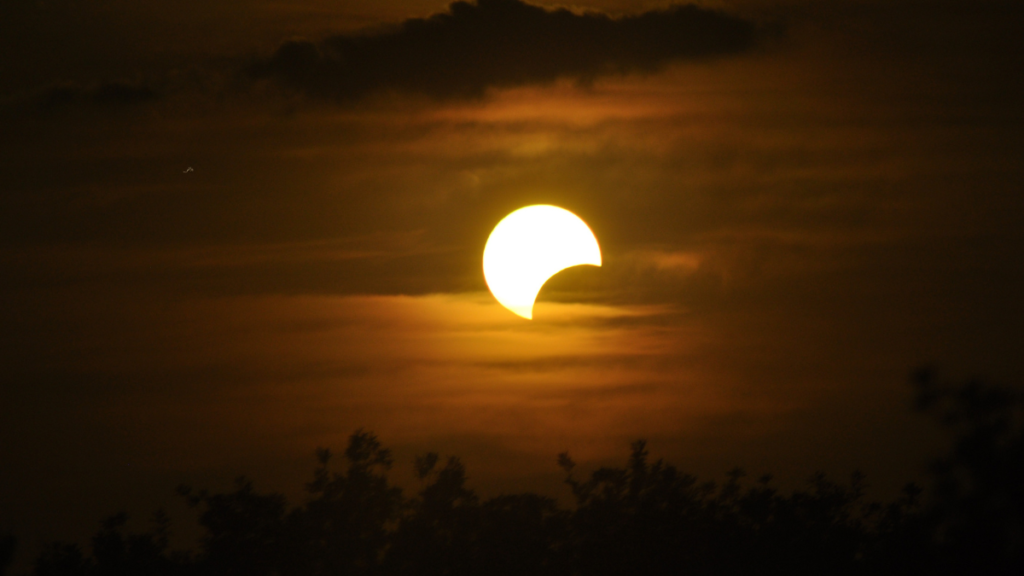
Saudi Arabia will experience its first total solar eclipse in more than 75 years on Monday, August 2, 2027, making it one of the most significant astronomical events the Kingdom has seen in decades. The Saudi Space Agency, through the Saudi Press Agency (SPA), confirmed the event and said large parts of western and southern Saudi Arabia will fall within the path of totality. Besides offering a spectacular natural phenomenon, the eclipse is expected to attract astronomers, researchers and visitors from around the world while strengthening Saudi Arabia’s position as a destination for scientific observation.
??? ?????? ????? ???? ??????? ???
— ????? ?????? ???????? (@saudispace) July 16, 2026
?? ?????? ?? ????? 2027?? ??????? 29 ??? 1449??? ??? ??? ???? ?? ????? ?????? ????? ????? ?? ??? ???? ???????? ?? ????? ??????? ??? ???? ?? 75 ????.https://t.co/aFkghhz7e5#?????_??????_???????? pic.twitter.com/XEz9H8aos0
Which parts of Saudi Arabia will experience the total solar eclipse?
The total solar eclipse will pass across several areas in western and southern Saudi Arabia, where daylight will briefly turn into darkness.
According to the Saudi Space Agency:
- Abha is expected to witness nearly six minutes of totality.
- Jeddah is expected to experience approximately five minutes and 50 seconds of complete darkness.
These are unusually long durations for a total solar eclipse, making the event especially valuable for astronomical observation.
Meanwhile, residents in central, eastern and northern parts of Saudi Arabia will witness a partial solar eclipse, with visibility varying depending on location.
Why is this eclipse considered so rare?
Total solar eclipses occur somewhere on Earth every 18 months or so, but witnessing one from the same location is exceptionally uncommon.
The upcoming eclipse will be the first total solar eclipse visible in Saudi Arabia since 1951, ending a gap of more than seven decades.
Astronomers also describe it as one of the longest total solar eclipses of the 21st century, giving scientists a rare opportunity to observe the Sun’s outer atmosphere, known as the corona, for several uninterrupted minutes.
Long periods of totality help researchers study solar activity, magnetic fields and other space weather phenomena that are difficult to observe during normal daylight.
How could the eclipse benefit Saudi Arabia?
Beyond its scientific significance, the eclipse is expected to create opportunities for tourism and local businesses.
Rare astronomical events often attract thousands of domestic and international visitors, particularly photographers, astronomy enthusiasts and researchers looking for ideal viewing locations.
Hotels, tour operators and hospitality businesses in cities along the eclipse path could benefit from increased travel demand.
The Saudi Space Agency said the Kingdom’s geographical location places it in a strategic position for observing and documenting the eclipse, reinforcing its growing role in science and space-related initiatives under Saudi Vision 2030.
The event also highlights Saudi Arabia’s continued investment in scientific research, education and space exploration.
How can people safely watch the eclipse?
While the eclipse promises an unforgettable experience, authorities have stressed the importance of protecting eyesight.
The Saudi Space Agency advises people to:
- Wear certified solar eclipse glasses that meet international safety standards.
- Never look directly at the Sun without proper eye protection.
- Use only specially filtered telescopes or binoculars designed for solar viewing.
- Avoid using ordinary sunglasses, camera lenses or unfiltered optical equipment.
Following these precautions will allow residents and visitors to enjoy the event safely.
Why should UAE residents care about the eclipse?
Although the path of totality will pass through Saudi Arabia, the event is expected to draw attention across the GCC.
For UAE residents interested in astronomy or unique travel experiences, the eclipse presents an opportunity to plan a short trip to neighbouring Saudi Arabia to witness a phenomenon that may not be visible again for generations.
The event is also likely to encourage regional tourism, with hotels, airlines and travel operators expected to introduce eclipse-related travel packages closer to the date.
Astronomy clubs and educational institutions across the UAE may also organise public viewing sessions for the partial eclipse, depending on local visibility forecasts released nearer the event.
Why It Matters?
- Saudi Arabia will witness its first total solar eclipse in over 75 years.
- The event could attract visitors from across the GCC and beyond.
- Researchers will gain a rare opportunity to study the Sun’s corona during an extended period of totality.
- UAE residents interested in astronomy or unique travel experiences may choose Saudi Arabia as a nearby destination to witness the event.
- More viewing details, timing, and safety guidelines are expected closer to August 2027.
FAQs
When will the total solar eclipse happen in Saudi Arabia?
The eclipse is officially scheduled for Monday, August 2, 2027.
Which Saudi cities will experience totality?
Areas including Abha and Jeddah are expected to experience complete totality, while other regions will witness a partial eclipse.
Will the UAE experience a total solar eclipse?
No. Current projections indicate the UAE will not be in the path of totality, although parts of the country may experience a partial eclipse depending on final visibility forecasts.
Is it safe to look directly at a solar eclipse?
No. People should only view the eclipse using certified eclipse glasses or approved solar viewing equipment.
Why is this eclipse important?
It will be Saudi Arabia’s first total solar eclipse in more than 75 years and one of the longest total solar eclipses of the 21st century, making it significant for both science and tourism.
The total solar eclipse on August 2, 2027, is set to become one of the biggest astronomical events ever witnessed in Saudi Arabia. With extended periods of totality, international scientific interest and the potential to boost tourism across the region, it promises to be much more than just a spectacular sight in the sky. As the date approaches, authorities are expected to release more detailed viewing locations, timings and public safety guidance.
Follow Social Kandura for more updates on local news and things to do in Dubai and across the UAE.
Read More
- astronomy Saudi Arabia
- August 2 2027 eclipse
- August 2027 astronomy
- celestial event 2027
- eclipse safety
- eclipse viewing Saudi Arabia
- GCC News
- Middle East eclipse
- Saudi Arabia eclipse 2027
- Saudi Arabia News
- Saudi Arabia sky event
- Saudi Arabia total solar eclipse
- solar eclipse Saudi Arabia
- Space news
- total solar eclipse 2027