

Nepal’s devastating Bhote Koshi flood disaster was triggered by a catastrophic glacier-related collapse in the Himalayas, according to scientific investigations. The event sent a powerful mixture of water, ice, mud, rocks and debris through mountain valleys, causing widespread destruction.
As of August 31, 2026, Nepal’s Ministry of Foreign Affairs said 903 bodies had been recovered and around 4,200 people remained unaccounted for. More than 10,000 people have been rescued, while foreign nationals are also among those missing.
The tragedy matters because it has exposed the growing risks faced by communities living downstream from unstable Himalayan glaciers and mountain slopes.
- Location: Bhote Koshi and downstream areas in Nepal
- Disaster: August 26, 2026
- Confirmed deaths: 903 bodies recovered as of August 31
- Still missing: Around 4,200 people, including foreign nationals
- Cause: A glacier-related collapse and debris avalanche triggered catastrophic flooding
- UAE response: The UAE has sent humanitarian relief aid to Nepal
- What’s next: Search and rescue operations, damage assessments and long-term reconstruction
The devastating Nepal flood disaster that has killed more than 900 people was not a typical monsoon flood caused simply by heavy rainfall. Scientific investigations indicate that the catastrophe was triggered by a glacier-related collapse high in the Himalayas, which unleashed a destructive flow of ice, water, mud, rocks and debris through Nepal’s mountain valleys.
As of August 31, Nepal’s Ministry of Foreign Affairs said 903 bodies had been recovered and about 4,200 people were still unaccounted for. More than 10,000 people have been rescued, but search and recovery operations remain difficult as authorities deal with widespread destruction and people trapped in affected areas.
What caused Nepal’s devastating Bhote Koshi flood?
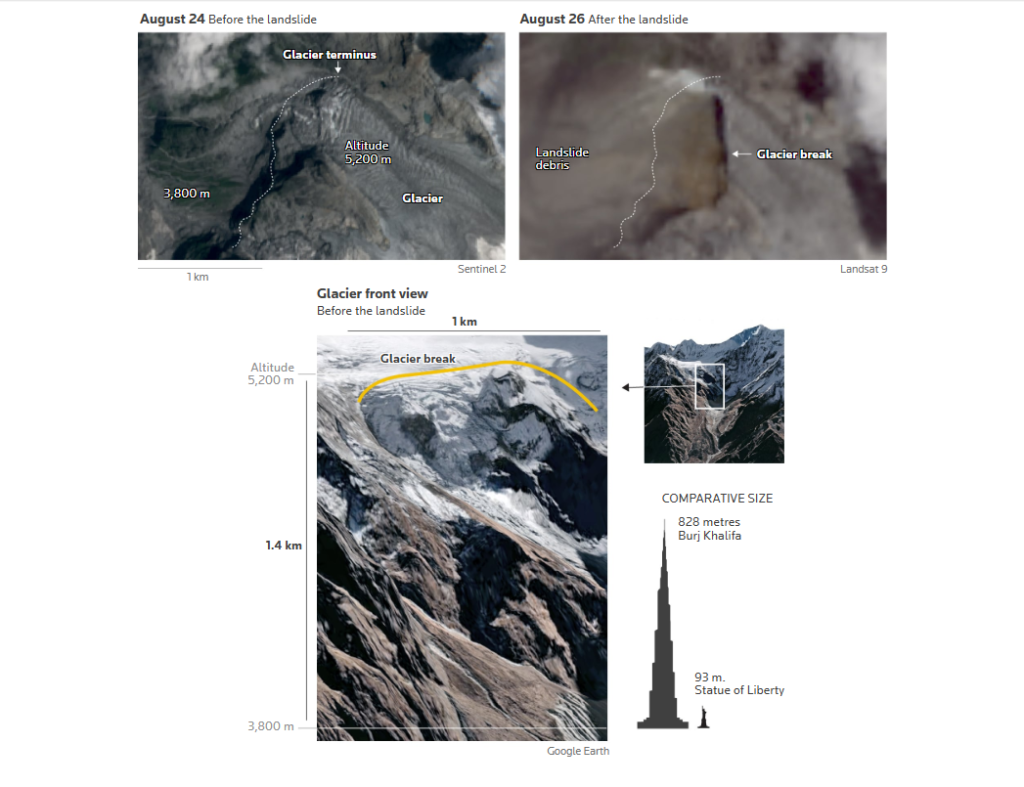
The disaster began with a major collapse in the Himalayan region near the Nepal-Tibet border.
According to preliminary scientific investigations, a massive glacier-related slope failure sent ice, rock and debris rushing downhill. As the material moved through steep mountain terrain, it mixed with water, sediment and additional debris before surging through river valleys.
The resulting disaster was far more destructive than an ordinary flood. It carried huge volumes of mud, rocks and other material downstream, devastating communities and infrastructure along the Bhote Koshi and connected river systems.
Scientists are still investigating the exact nature of the initial collapse. The key point is that the disaster was triggered by a sudden high-altitude mountain failure, which then created a catastrophic flood downstream.
This distinction is important because early reports and social media speculation initially created confusion about what had actually happened.
Was the Nepal disaster caused by an earthquake?
No earthquake has been confirmed as the cause of the disaster.
The event was initially linked to seismic activity, but scientific investigations later pointed to the glacier-related collapse and debris movement as the source of the seismic signals detected in the region.
This means the Nepal tragedy should not be described as an earthquake-triggered flood unless future scientific investigations provide evidence to support that conclusion.
The disaster instead appears to have followed a devastating chain reaction: a large mountain or glacier-related collapse occurred, the material travelled rapidly downhill, and the flow turned into a powerful debris-filled flood as it moved through the Himalayan landscape.
The incident shows how disasters in mountainous regions can sometimes create seismic signals powerful enough to initially confuse scientists and monitoring agencies.
Why was the flood so deadly?
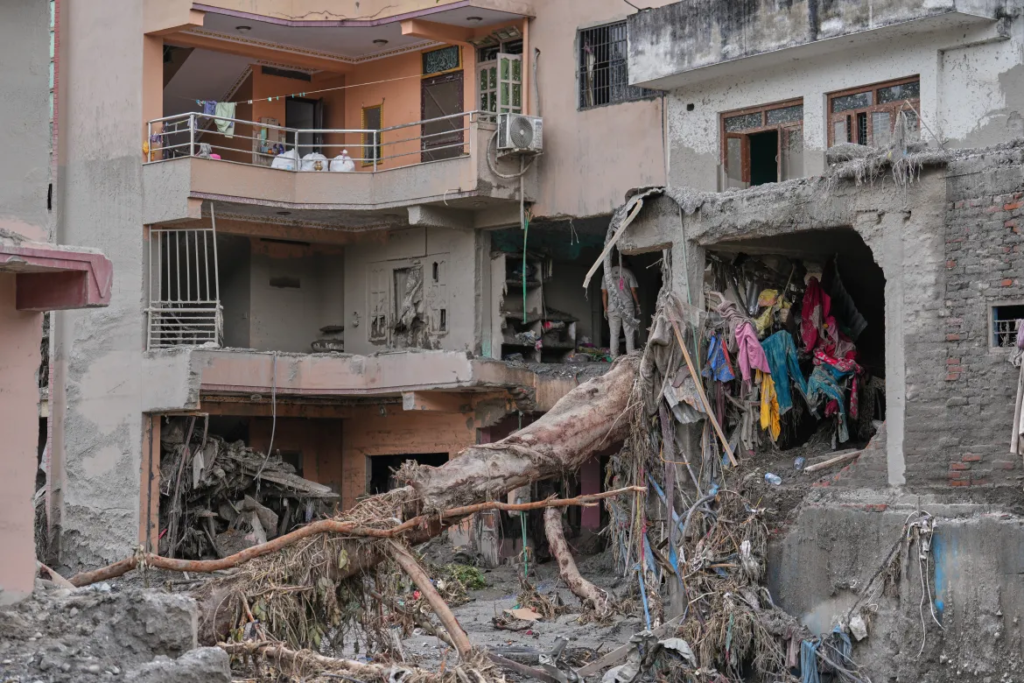
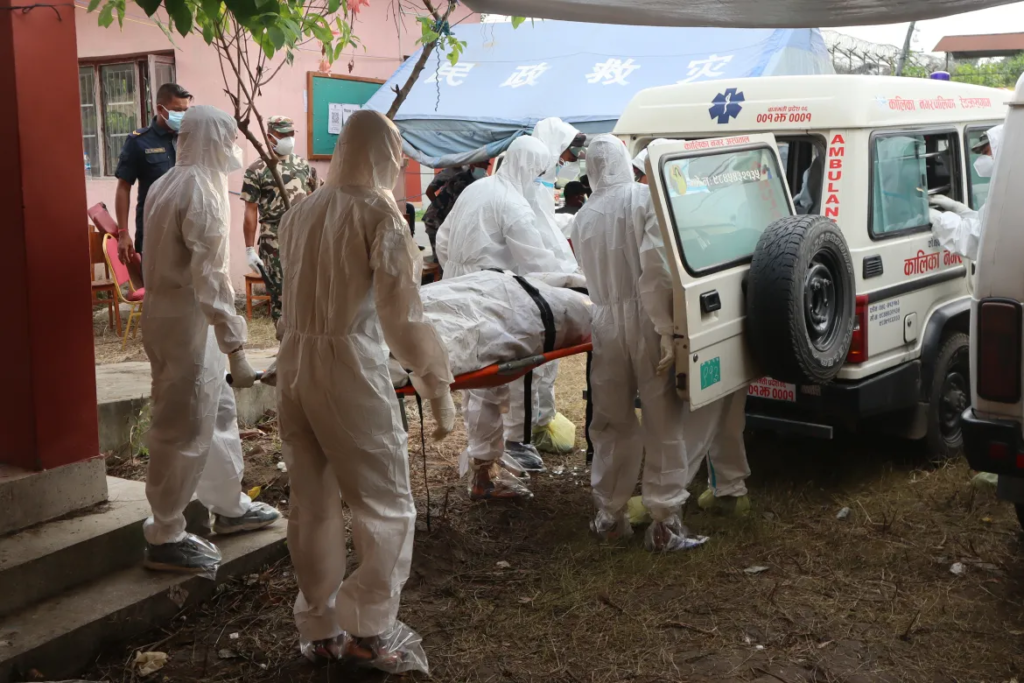
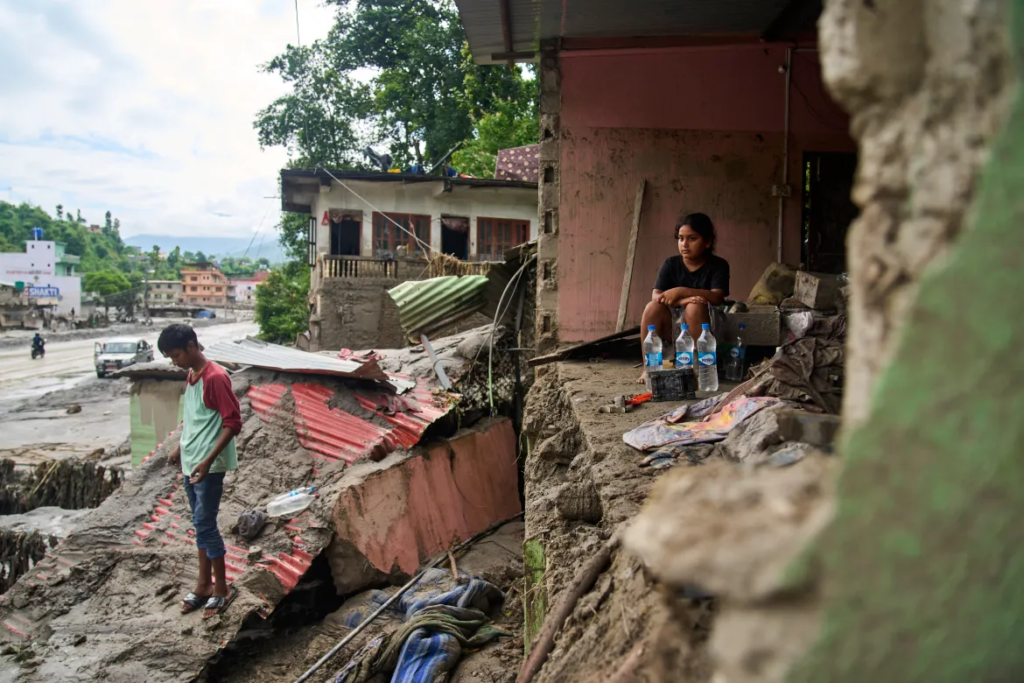
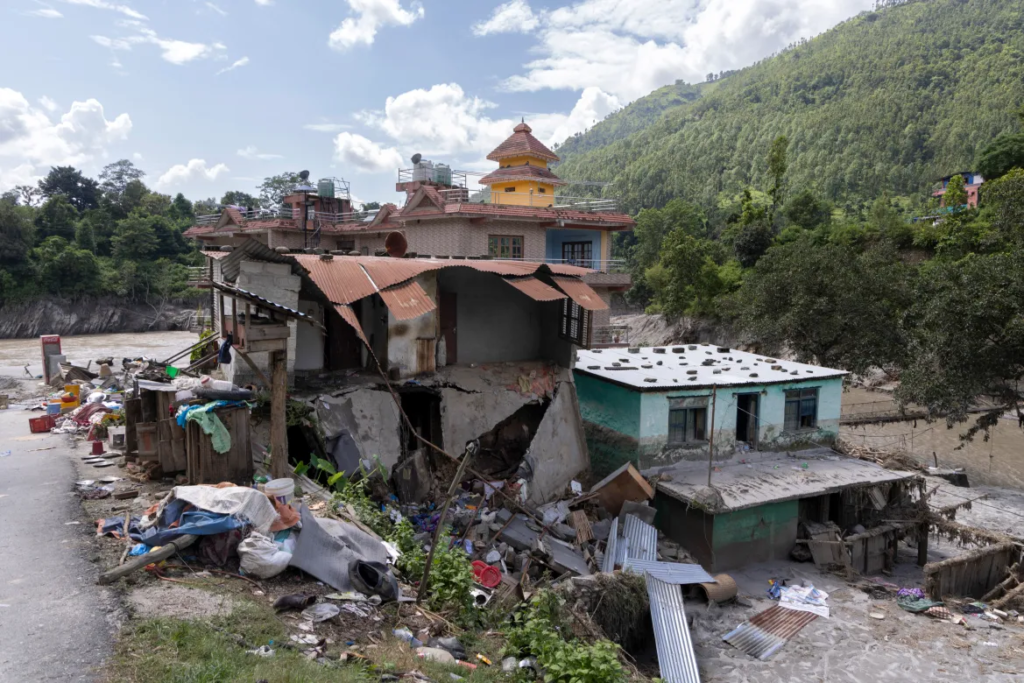
The scale and speed of the disaster made it particularly dangerous.
Nepal’s Himalayan landscape is made up of steep slopes, narrow valleys and fast-flowing rivers. When a huge amount of ice, water, mud and rock enters these confined channels, the terrain can funnel the material downstream with enormous force.
This was also not a slow-rising flood that gave communities hours to prepare.
The sudden nature of the event meant people living or working downstream had limited time to escape. Roads, bridges and other critical infrastructure were damaged, making rescue efforts even more difficult.
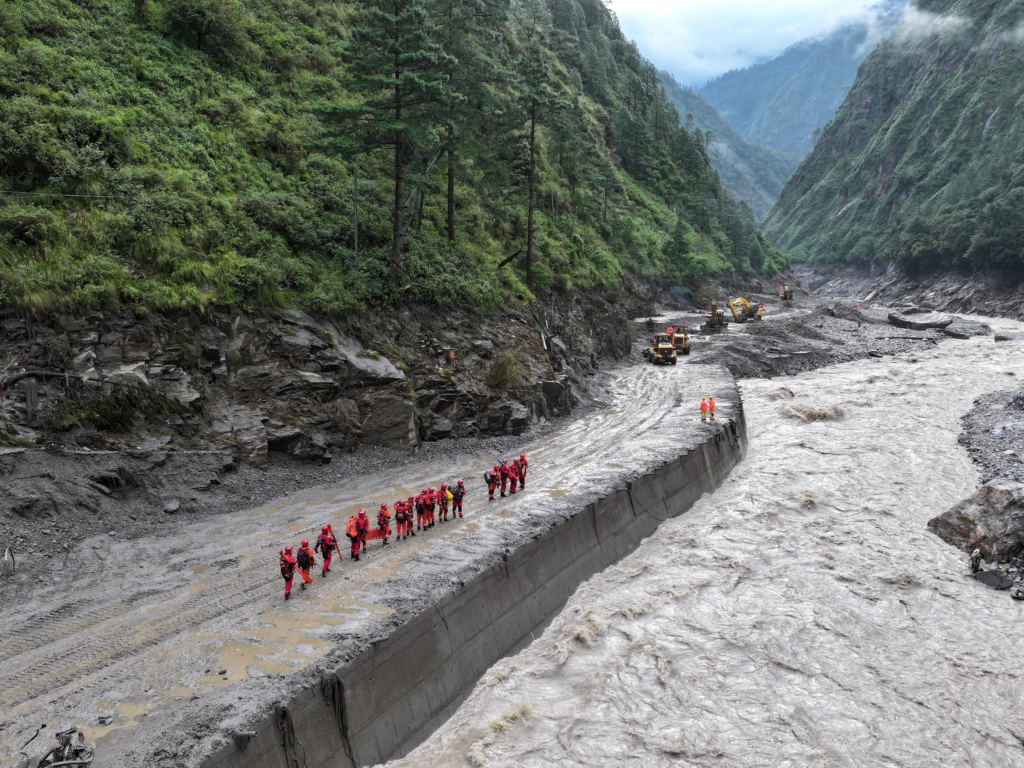
The disaster has also affected hydropower infrastructure. Rescue teams have been working in extremely dangerous conditions to reach people trapped or missing near hydropower tunnels and project sites. International technical teams from India, China and South Korea have been involved in specialised rescue operations, according to Nepal’s Ministry of Foreign Affairs.
The International Federation of Red Cross and Red Crescent Societies has estimated that more than 90,000 people have been affected by the wider disaster.
Why are thousands of people still missing?
The number of missing people remains one of the most alarming aspects of the tragedy.
Nepal’s government said around 4,200 people were still unaccounted for as of August 31, including approximately 590 foreign nationals from 39 countries. More than 10,000 people have been rescued so far.
Search teams are facing several challenges, including difficult terrain, landslides, damaged roads and deep layers of mud and debris.
Many victims may also have been carried long distances downstream by the force of the flood.
Authorities have begun using forensic and DNA identification procedures for bodies that cannot immediately be identified. Nepal’s Foreign Ministry said DNA samples are being collected to help families identify victims later.
The government has repeatedly warned that casualty figures could change as search and recovery operations continue.
Did climate change cause the Nepal flood?
Climate change is an important part of the wider story, but it should be reported carefully.
Scientists and climate experts have long warned that rising temperatures are increasing risks across the Hindu Kush Himalaya region. Glacier retreat, melting ice and thawing permafrost can contribute to increasingly unstable mountain environments.
However, scientists are still investigating the exact trigger behind this particular glacier-related collapse.
It would therefore be inaccurate to say that climate change has been officially confirmed as the direct cause of the Nepal disaster.
What is clear is that researchers are increasingly concerned about the growing vulnerability of Himalayan glaciers and mountain slopes as global temperatures rise. The disaster has renewed questions about glacier monitoring, mountain hazard assessments and early warning systems for communities living downstream.
UAE sends humanitarian aid as Nepal seeks international support
The tragedy has prompted an international humanitarian response, including support from the UAE.
According to Nepal’s Ministry of Foreign Affairs, the country has received rescue and relief support from several nations, including the UAE. Nepal also said relief materials from the UAE had already arrived, with additional supplies expected.
The UAE has also sent an aircraft carrying 83 tonnes of urgent humanitarian aid to flood-hit Nepal through the UAE Aid Agency, according to WAM reporting carried by Sharjah24.
The support is particularly relevant for UAE residents because the country is home to a large South Asian community, including Nepali residents, while the UAE has also positioned humanitarian assistance as a key part of its international response during major disasters.
Nepal has said it will require significant international support not only for immediate rescue and relief operations but also for rehabilitation and reconstruction.
Homes, roads, bridges and hydropower facilities have been damaged, and a detailed post-disaster assessment is expected to determine the full scale of reconstruction required.
For UAE residents, the Nepal disaster is both a major humanitarian crisis and a reminder of the UAE’s role in international emergency response.
The immediate focus remains on saving lives, locating missing people and providing food, shelter, medical assistance and other essential supplies.
The longer-term challenge will be even bigger. Nepal will need to rebuild damaged infrastructure and improve systems designed to monitor dangerous changes in glaciers and mountain environments.
The disaster has also raised wider questions for countries across the Himalayas about whether existing monitoring and early warning systems are prepared for increasingly complex climate and mountain-related hazards.
Image credit; aljazeera.com
FAQs
What caused the Nepal flood disaster?
Scientific investigations indicate that the disaster was triggered by a glacier-related collapse and debris avalanche high in the Himalayas, which created a powerful flood carrying water, ice, mud and rocks downstream.
How many people died in the Nepal floods?
As of August 31, 2026, Nepal’s Ministry of Foreign Affairs said 903 bodies had been recovered. The figure may change as search and recovery operations continue.
How many people are missing in Nepal?
Around 4,200 people were still unaccounted for as of August 31, according to Nepal’s government. Foreign nationals are also among those missing.
Was the Nepal flood caused by an earthquake?
No earthquake has been confirmed as the cause. Scientific investigations have pointed to a glacier-related collapse and debris movement as the main trigger behind the disaster.
Is the UAE helping Nepal after the floods?
Yes. Nepal’s government confirmed it has received humanitarian support from the UAE, while the UAE also sent 83 tonnes of urgent relief aid to Nepal.
Nepal’s devastating Bhote Koshi disaster was far more than a conventional flood. A sudden glacier-related collapse triggered a catastrophic chain of events that destroyed communities, left thousands missing and created a major humanitarian emergency.
As rescue teams continue their search, scientists are also working to understand exactly what triggered the collapse and what can be done to better protect vulnerable communities from future Himalayan disasters.
Follow Social Kandura for more updates on local news and things to do in Dubai and across the UAE.
Read More