

Dubai Taxi Company has completed its $394.8 million acquisition of National Taxi, creating the UAE’s largest taxi operator with over 14,000 vehicles combined. The deal—approved by both Dubai’s Roads and Transport Authority and Abu Dhabi authorities—gives DTC nearly 60% of Dubai’s taxi market and marks a major shift in how ride services will operate across the emirates. If you regularly use taxis in Dubai or Abu Dhabi, this merger could affect service availability, technology features, and your overall experience.
What Just Happened in Dubai’s Taxi World?
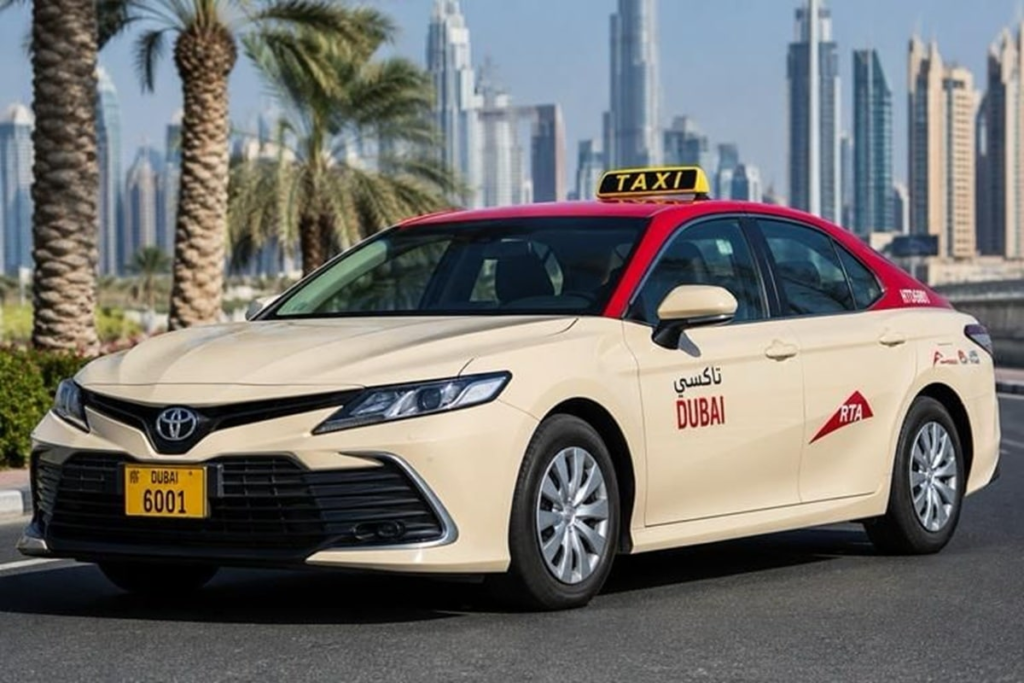
On July 8, 2026, Dubai Taxi Company announced it had successfully closed its acquisition of National Taxi LLC. The deal cost AED 1.45 billion (approximately $395 million) and was funded entirely through new bank debt—meaning DTC didn’t need to issue new shares or dilute existing shareholder value.
National Taxi, which has operated for 26 years, ran a fleet of over 2,700 taxis across Dubai, Abu Dhabi, and Al Ain. In the year ending July 2025, the company completed 25.4 million trips and reported revenue of AED 774 million ($210.7 million). These aren’t just numbers on paper. National Taxi was a significant player, operating with a 98% fleet utilisation rate—meaning their drivers were staying busy and the service was in genuine demand.
For DTC, this purchase isn’t a rescue operation. It’s a strategic expansion. Group CEO Mansoor Rahma Alfalasi described it as the company’s first major transformation move since DTC went public in December 2023, signalling confidence in UAE’s long-term mobility market.
Why Dubai and Abu Dhabi Regulators Said Yes?
Both the Roads and Transport Authority (RTA) in Dubai and the Integrated Transport Centre (ITC) in Abu Dhabi had to approve the deal. They did, without apparent hesitation. Why? The taxi market in the UAE is heavily regulated—you can’t just start a taxi company. Government controls the number of licensed taxi plates issued, creating high barriers to entry. This regulatory structure means DTC’s resulting 60% share in Dubai doesn’t translate to unchecked monopoly power the way it might in a completely open market.
Additionally, ride-hailing platforms like Uber, Careem, and Bolt operate alongside traditional taxis, offering passengers choice. Taxi fares themselves are set by regulators, not by the operators. These structural safeguards appear to have satisfied authorities that competition remains intact.
The Numbers Behind the Deal
The combined DTC-National Taxi fleet now exceeds 14,000 vehicles across the UAE, expected to handle roughly 78 million trips annually. To put that in perspective, the Roads and Transport Authority reported that 802 million taxi and transport trips occurred across Dubai alone in 2025, with an average of 2.2 million people using public transport daily.
DTC also operates limousine services, buses, and delivery bikes—so this isn’t purely a taxi consolidation. It’s the assembly of a comprehensive mobility platform.
Financially, the acquisition is expected to be earnings-positive from the first full year of ownership. DTC identified synergies worth approximately 5% of National Taxi’s revenue—roughly AED 38.7 million. These savings will come from consolidated fleet procurement, centralised maintenance facilities, and back-office consolidation. The integration plan keeps the National Taxi brand intact for customer-facing services, which reassures drivers and passengers that service continuity is the priority, not aggressive cost-cutting.
How National Taxi Drivers and Customers Are Being Treated?
One concern passengers and drivers might have: does consolidation mean job losses or service cuts?
DTC’s leadership has stated there will be no workforce reductions. Group CEO Alfalasi emphasised that drivers are “the most valuable asset” and that the company has maintained all staff. The integration strategy deliberately retains the National Taxi brand and keeps customer-facing operations separate, consolidating only back-office functions like finance and procurement.
This matters because driver morale directly affects service quality. A driver who fears redundancy might provide poor service or leave the profession. By keeping both brands operational and signalling workforce stability, DTC is protecting the service experience passengers depend on.
The Driverless Taxi Connection You Haven’t Heard About
Here’s where things get forward-looking. DTC has been launching autonomous taxis in partnership with Baidu’s Apollo Go platform. The company plans to deploy over 1,000 driverless vehicles by 2030 as part of Dubai’s broader strategy to convert 25% of all transport trips to autonomous vehicles.
A combined fleet of 14,000 vehicles isn’t just about handling current demand—it’s the operational foundation for absorbing thousands of robot taxis. Autonomous fleets require sophisticated dispatch systems, real-time data monitoring, and AI-driven optimization. National Taxi’s 25.4 million annual trips represent valuable operational data that DTC can use to train machine learning models for autonomous deployment.
Think of it this way: DTC just acquired a data goldmine along with the taxi plates and vehicles. That data will help build smarter autonomous systems.
Abu Dhabi Gets a Real Competitor
For Abu Dhabi residents and visitors, this deal represents meaningful change. Previously, Abu Dhabi’s taxi market was fragmented among multiple smaller operators. National Taxi held 800 licensed plates across Abu Dhabi and Al Ain, giving it presence but not dominance.
Now, DTC enters Abu Dhabi with 12% market share and institutional resources—capital, technology platforms, management expertise. Over time, this could drive service improvements across the emirate as competition responds to DTC’s capabilities.
Abu Dhabi authorities apparently viewed DTC’s entry positively, approving the deal without impediment. The ITC likely sees consolidated, well-funded operators as preferable to fragmentation, provided competition remains intact.
What’s Coming Next?
Integration work now dominates DTC’s focus. The company must absorb National Taxi’s operations while maintaining service standards. Early priorities include consolidating maintenance facilities, unifying digital dispatch systems, and identifying operational redundancies.
Longer term, look for expanded autonomous taxi availability, continued electric vehicle adoption (DTC currently operates 525 EVs), and integration with planned air taxi services. DTC has positioned itself as integral to Dubai’s broader mobility ecosystem, handling ground transport connections to vertiports where air taxis will eventually operate.
Frequently Asked Questions
Q: Will my taxi fares increase after this deal?
A: Unlikely in the short term. Taxi fares in Dubai and Abu Dhabi are set by transport regulators (RTA and ITC), not by operators. Fares adjust based on fuel costs and regulatory decisions, not corporate consolidation.
Q: Are there fewer taxi options now?
A: No. While DTC’s market share is substantial, Uber, Careem, Bolt, and other ride-hailing platforms continue operating. Passengers have multiple ways to book transport.
Q: Will I see driverless taxis soon?
A: Yes, but gradually. DTC’s autonomous taxis are already operating in select Dubai areas. Expect expansion through 2026-2027, with broader rollout planned toward 2030.
Q: What happens to National Taxi drivers?
A: DTC has committed to retaining all staff. National Taxi’s brand and operations continue separately, ensuring continuity for drivers and customers familiar with the service.
Q: Why did DTC need to buy National Taxi?
A: To expand into Abu Dhabi, secure licensed taxi plates (which are limited), and build the operational scale needed for autonomous vehicle deployment and technology investments.
Dubai Taxi Company’s acquisition of National Taxi marks a turning point in UAE mobility. It signals that traditional taxi operators are consolidating, investing in technology, and preparing for an autonomous future. For residents and visitors, the immediate impact is minimal—service continuity is the priority. But over the next few years, expect to see improved digital booking, more autonomous options, and a mobility platform that’s genuinely integrated across the UAE.
Follow Social Kandura for more updates on local news and things to do in Dubai and across the UAE.
Read More