

Saudi Arabia’s Transport General Authority (TGA) has extended its temporary truck age-limit arrangement for another six months. Qualifying trucks and tractor units used for commercial heavy goods transport can operate beyond the standard age limit, provided they are no more than 22 years old and continue to meet all technical and regulatory requirements. The move gives freight operators more time to use existing fleet assets and is relevant to GCC road transport, including Saudi-UAE cargo movements.
- Location: Saudi Arabia
- Organisation: Transport General Authority (TGA)
- New expiry date: March 26, 2027
- Who is affected: Commercial heavy goods transport operators
- Age limit under the temporary arrangement: Up to 22 years from manufacture
- Business impact: More flexibility in managing existing freight fleets
- What’s next: Eligible vehicles must continue meeting technical and regulatory requirements
Saudi Arabia has extended its truck age limit rules for heavy goods transport by another six months, allowing qualifying vehicles up to 22 years old to remain in commercial operation until March 26, 2027. The Transport General Authority (TGA) announced the extension as part of measures giving freight operators greater flexibility in managing their existing fleets. The arrangement applies to single-unit trucks and tractor units used for commercial goods transport, including vehicles carrying goods for other businesses and those transporting goods for their own companies.
Why has Saudi Arabia extended the truck age limit?
The latest decision continues a temporary arrangement that was originally due to expire on September 25, 2026.
The TGA had introduced the 22-year allowance for a six-month period in March 2026. With the latest extension, operators can continue using eligible older vehicles for another six months.
The authority said the measure is intended to maximise the efficient use of existing operational assets while maintaining fleet readiness.
For transport companies, this means eligible vehicles do not have to be removed from service solely because they have passed the standard operational age threshold during the extension period.
The decision is temporary, however, and does not permanently change Saudi Arabia’s standard truck-age regulations.

Which trucks can operate until March 2027?
The extension covers individual vehicles and tractor units involved in commercial heavy goods transportation.
This includes trucks that:
- Carry goods on behalf of third parties
- Are operated by businesses to transport their own commercial goods
- Have exceeded the standard operational age
- Are no more than 22 years old from their manufacturing date
The TGA has also made clear that the age allowance does not remove other compliance obligations.
Vehicles benefiting from the extension must continue to meet the applicable technical, safety and regulatory requirements.
This is particularly important for older commercial vehicles, as their eligibility is not based on age alone.
What was the previous truck age rule?
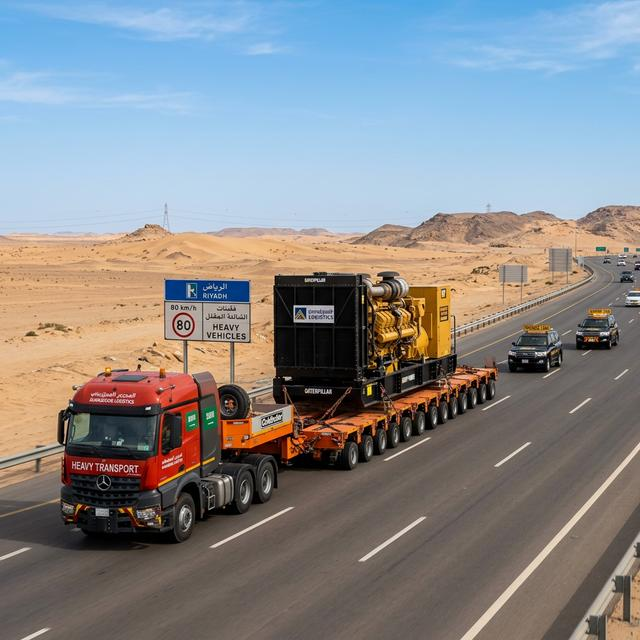
Saudi Arabia’s standard regulatory framework has generally placed a 20-year operational limit on trucks used for goods transport.
The temporary 22-year arrangement therefore gives qualifying vehicles an additional operating window beyond that standard threshold.
The first six-month extension was announced in March 2026. It allowed eligible heavy freight trucks to remain operational until September 25, 2026.
The latest decision pushes the temporary arrangement forward to March 26, 2027.
This means the change should be viewed as a continuation of a temporary measure rather than a permanent increase in the country’s truck age limit.
How could the change affect GCC road freight?
The decision also has wider relevance for regional logistics because Saudi Arabia is a major road freight market connecting the GCC.
An earlier Saudi logistics initiative in March 2026 included measures concerning trucks from GCC countries. The package extended the 22-year operational lifespan to qualifying GCC trucks and introduced additional flexibility for cross-border freight movements.
Saudi Arabia also reported significant truck traffic through its land ports during March 2026. Between March 1 and March 25, more than 88,000 truck movements to GCC countries were recorded at Saudi land ports, according to figures reported from the Saudi Zakat, Tax and Customs Authority.
The Al-Bat’ha border crossing, which connects Saudi Arabia with the UAE, accounted for more than 41,000 trucks heading to the UAE during that period.
These figures show why changes to Saudi freight regulations can matter beyond the domestic transport sector.
For UAE-based logistics companies and businesses moving goods by road into Saudi Arabia, the wider regulatory environment can affect fleet planning, cross-border operations and transport capacity. The truck-age extension itself remains a Saudi regulation, so UAE operators must still comply with the rules applicable to their vehicles and routes.
What does the extension mean for transport companies?
For heavy transport businesses in Saudi Arabia, the six-month extension provides additional time to manage existing fleets before older vehicles need to be replaced under the normal age framework.
It can also help operators plan fleet renewal rather than having to retire eligible vehicles immediately after reaching the standard operational age.
At the same time, the TGA’s conditions mean companies remain responsible for keeping vehicles roadworthy and compliant.
The policy therefore combines additional operating flexibility with continued technical and regulatory oversight.
UAE residents are unlikely to see a direct change to local truck-age regulations because this is a Saudi decision. However, the UAE is closely connected to Saudi Arabia through road freight and GCC trade.
Businesses involved in Saudi-UAE logistics may therefore want to track the extension, particularly when planning freight movements involving older commercial vehicles.
For Saudi transport operators, the immediate change is straightforward: qualifying trucks that fall within the temporary 22-year threshold can continue commercial operations until March 26, 2027, subject to all other requirements.
The TGA has not announced this as a permanent change to the standard age limit, so operators will need to monitor any further decision before the March 2027 deadline.
FAQs
How long has Saudi Arabia extended the truck age limit?
The Transport General Authority has extended the temporary arrangement for six months, from the previous September 25, 2026 deadline until March 26, 2027.
How old can qualifying trucks be in Saudi Arabia?
Under the temporary arrangement, qualifying heavy goods trucks and tractor units can be up to 22 years old from their manufacturing date.
Does the extension apply to every old truck?
No. The vehicle must fall within the qualifying categories and continue to meet all applicable technical, safety and regulatory requirements.
Does the new rule apply to UAE trucks?
The latest extension is a Saudi regulatory measure. An earlier March 2026 Saudi initiative also addressed qualifying trucks from GCC countries, but operators must comply with the specific rules governing their vehicles and cross-border movements.
Is Saudi Arabia’s 22-year truck limit permanent?
No. The 22-year allowance is a temporary arrangement. The latest extension runs until March 26, 2027.
Saudi Arabia’s latest decision gives heavy freight operators another six months to keep qualifying older trucks in commercial service. The temporary 22-year allowance now runs until March 26, 2027, while technical and regulatory requirements remain in place. With substantial road freight links between Saudi Arabia and the UAE, the development is also worth watching across the wider GCC logistics sector.
Follow Social Kandura for more updates on local news and things to do in Dubai and across the UAE.
Read More


