

If you’re in Dubai this Ramadan, knowing the exact iftar time isn’t just about the fast — it shapes the entire rhythm of the day. From family dinners and mosque gatherings to restaurant bookings and office schedules, everything quietly moves around prayer timings.
Iftar time today in Dubai
Monday, March 2, 2026 – 6:24 pm
That’s when Maghrib prayer begins — and when the fast officially ends.
For those observing Ramadan, this moment defines the day. The city slows. Homes fill. Roads ease. Dates are placed on tables. Water is poured. And across neighbourhoods, the call to prayer creates a shared pause that feels unique to Dubai.
How fasting times work in Dubai?
Fasting during Ramadan follows the official prayer timetable:
- Fajr – Start of the fast (before sunrise)
- Maghrib – End of the fast (after sunset)
On March 2, 2026:
- Fajr: 5:25am
- Maghrib: 6:24 pm
That means fasting lasts just over 13 hours.
This system keeps the entire city aligned — from mosques and majlis gatherings to hotels, schools, and offices. It’s why iftar always feels synchronised, no matter where you are in Dubai.
How iftar time change throughout Ramadan?
Maghrib moves forward by a minute or two each day as sunset timings shift. Over the course of Ramadan 2026, this gradual change becomes noticeable:
- Early Ramadan: around 6:24 pm
- Mid-Ramadan: around 6:28 to 6:30 pm
- End of Ramadan: around 6:32 pm
It’s a small daily shift, but it shapes everything — dinner plans, mosque attendance, evening prayers, and night markets.
Iftar across homes, mosques and streets
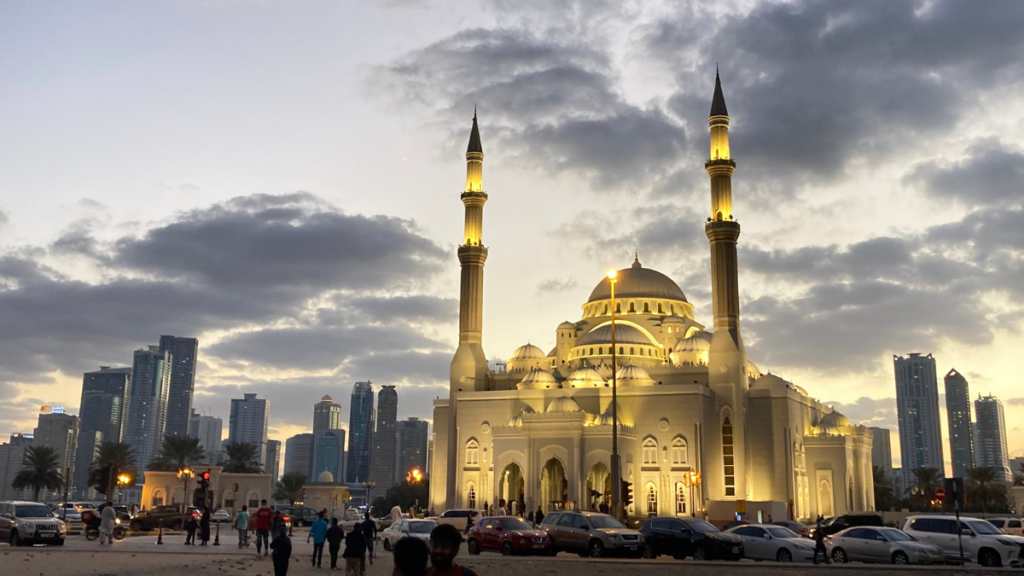
Iftar in Dubai isn’t one experience — it’s many.
- In homes, families gather quietly.
- In mosques, long lines of dates and water stretch across carpets.
- In hotels, lantern-lit iftar tents fill up before sunset.
- In neighbourhoods, volunteers hand out meals to drivers stuck in traffic.
But the ritual is the same:
Maghrib. Prayer. Dates. Water. Food. Conversation.
It’s a rhythm the city knows by heart.
The meaning behind the fast
Fasting during Ramadan is one of the Five Pillars of Islam, but its purpose goes far deeper than food and drink.
It’s about:
- Discipline
- Reflection
- Gratitude
- Empathy
- Spiritual reset
In Dubai’s multicultural environment, Ramadan is felt beyond religious spaces. Workdays adjust. Schools adapt. Malls shift timings. Restaurants move their peak hours to the night. The city breathes differently.
Even for non-fasting residents, the month brings a calmer pace and a softer energy to daily life.
The lunar calendar effect
The Islamic calendar follows the lunar cycle, which means:
- Ramadan lasts 29 or 30 days
- It moves about 11 days earlier each year
- Fasting hours change annually
Some years bring shorter winter fasts. Others bring long summer days. That’s why Ramadan never feels the same — physically or socially — from one year to the next.
For today, iftar time in Dubai is 6:24 pm.
As Ramadan 2026 continues, that time will shift each day slowly with the sunset. But the feeling remains constant — a city moving together, pausing together, and breaking the fast together.
From quiet family homes to grand iftar tents, Ramadan in Dubai isn’t just observed — it’s lived.
Follow Social Kandura for more updates on local news and things to do in Dubai and across the UAE.
Read More
- Fasting during Ramadan
- Five Pillars of Islam
- iftar
- iftar in dubai
- Iftar time today in Dubai
- Iftar time today in UAE
- Iftar Timing in Dubai
- Iftar Today in Dubai
- Ramadan 2026 Iftar Place
- ramadan in dubai
- Ramadan Timings Explained
- Social Kandura
- Social Kandura Media Iftar News
- Social Kandura Media News
- What Time Is Iftar Today in Dubai?


