

As Ramadan draws closer, families across the UAE are once again preparing for a month shaped by fasting, prayer, and giving. To remove uncertainty around charitable obligations, the UAE Fatwa Council has officially announced the Zakat Al Fitr and Fidyah values for Ramadan 2026.
The decision follows a field-based price study carried out in coordination with the Ministry of Economy and Tourism. The aim is simple. Keep charity values realistic, fair, and aligned with the cost of living across the country.
For residents in Dubai and beyond, this annual announcement serves as a clear guide on how much to give and when to give it, especially as Ramadan charity drives begin picking up pace.
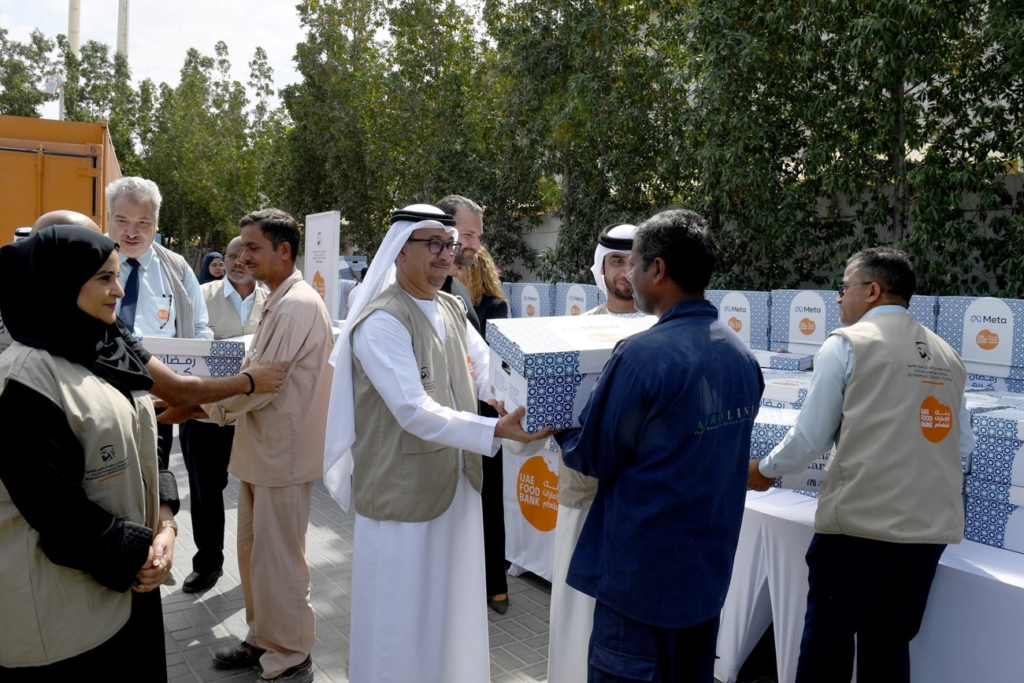
Zakat Al Fitr Set at Dh25 Per Person
The council confirmed that Zakat Al Fitr for Ramadan 2026 is fixed at 2.5 kilograms of rice per person, or Dh25 when paid in cash.
Zakat Al Fitr is mandatory for every Muslim who can afford it and must be paid on behalf of each dependent, including children. In many Dubai households, this payment is often made as a family contribution through registered charities rather than individual food distribution.
Cash payment has been declared permissible and, in many cases, more practical. It allows approved organizations to distribute aid quickly, especially in densely populated areas where demand rises sharply during the final days of Ramadan.
The council advised that Zakat Al Fitr should ideally be paid after dawn on Eid Al Fitr and before sunset. However, early payment during Ramadan is allowed if there is a need, which is common in the UAE due to large-scale charity operations.
Fidyah Rates Set for Those Unable to Fast
For individuals who are unable to fast due to long-term illness, old age, or medical conditions, the council has set Fidyah at Dh20 per day.
Alternatively, Fidyah may be paid in kind by feeding one needy person with 3.25 kilograms of wheat for each missed fast. This option is less common in urban areas but remains valid under Islamic rulings.
In cities like Dubai and Sharjah, most residents prefer cash. It simplifies the process and allows charities to provide prepared meals, ration boxes, or food vouchers where needed.
This guidance is especially relevant for elderly residents and caregivers who often look for clear, respectful ways to fulfil religious duties without added complexity.
Penalties for Invalidating a Fast or Breaking an Oath
The Fatwa Council also clarified Fidyah amounts for specific situations that require expiation.
If a person deliberately invalidates a fast during Ramadan without a valid excuse, the required Fidyah is Dh1,200, which must be distributed among 60 needy people.
For those who break an oath, the Fidyah amount has been set at Dh200, to be shared among 10 beneficiaries.
In the case of prohibited acts committed during Hajj or Umrah, the council fixed the Fidyah at Dh120 and distributed it to six eligible recipients.
These figures are intended to remove confusion and ensure residents follow correct religious guidance, particularly during a time when many people are already managing multiple charitable obligations.
Minimum Iftar Meal Value Announced
Another key point highlighted is the minimum cost of an iftar meal, set at Dh20 per person.
This figure matters during Ramadan in the UAE, where free iftar distributions take place daily at mosques, labour accommodations, and community tents. Setting a minimum ensures meals meet basic nutritional standards and preserve dignity for recipients.
Across Dubai, organized iftar drives are a familiar sight, from mosque courtyards to corporate-sponsored initiatives. Having a fixed benchmark helps organizers plan responsibly and maintain consistency.
Approved Channels for Zakat and Fidyah Payments
The council urged residents to ensure that all Zakat and Fidyah payments are channelled through approved UAE organizations, including the Zakat Fund, Emirates Red Crescent, and other licensed charities.
This approach ensures transparency and proper distribution, especially during peak periods in the last ten nights of Ramadan. It also supports nationwide efforts to reach families who rely on these contributions throughout the year.
Cash payments, according to the council, often provide greater flexibility, allowing charities to respond to urgent needs without delay.
Helping Families Prepare for Ramadan Giving
In the UAE, Ramadan is not just a religious observance. It shapes daily routines, work hours, family life, and community engagement. Clear guidance on Zakat and Fidyah helps residents focus on the spirit of the month rather than administrative uncertainty.
From families planning their giving to businesses organizing staff charity drives, these official values provide a shared reference point across the country.
For many, paying Zakat Al Fitr is one of the final acts before Eid prayers. Knowing the exact amount ahead of time brings peace of mind and ensures obligations are fulfilled correctly.
Key Figures to Remember This Ramadan
For Ramadan 2026, residents should note:
- Zakat Al Fitr: Dh25 per person
- Fidyah for missed fasts: Dh20 per day
- Minimum iftar meal value: Dh20
- Deliberate fast invalidation: Dh1,200 for 60 people
Following these guidelines helps ensure the charity reaches those who need it most, while staying aligned with official UAE rulings.
Follow Social Kandura for more updates on local news, things to do, travel, Bollywood, and food and lifestyle stories across Dubai and the UAE.
Read More
- Fidyah at Dh20 per day
- Food & Zakat
- food distribution
- Latest News Social Kandura
- minimum cost of an iftar meal
- Ministry of Economy and Tourism
- Paying Zakat
- Paying Zakat at Ramadan
- Ramadan charity
- residents in Dubai
- Social Kandura Media
- Social Kandura Ramadan
- Zakat Al Fitr
- Zakat Al Fitr Set at Dh25 Per Person
- Zakat and Fidyah Payments
- Zakat Official Rates for 2026


