

Dubai has revealed plans that could change how homes are built worldwide. The city is working towards constructing the world’s first fully robot-made residential villa, and this time, it’s not a futuristic model or a tech demo. It will be a real villa, built on the ground, using robotics at every major construction stage.
The initiative comes from Dubai Municipality, which has launched a global challenge inviting leading construction technology firms and research institutions to collaborate on the project. The aim is clear. Test whether robotics can move beyond controlled labs and into everyday residential construction.
For a city known for pushing boundaries, this move fits right in.
Dubai Municipality launches a global challenge to build the world’s first robot-constructed residential villa. The challenge reinforces Dubai’s leadership in advanced construction technologies. pic.twitter.com/IgYJfKllqI
— Dubai Media Office (@DXBMediaOffice) January 27, 2026
How is this villa different from anything built before?
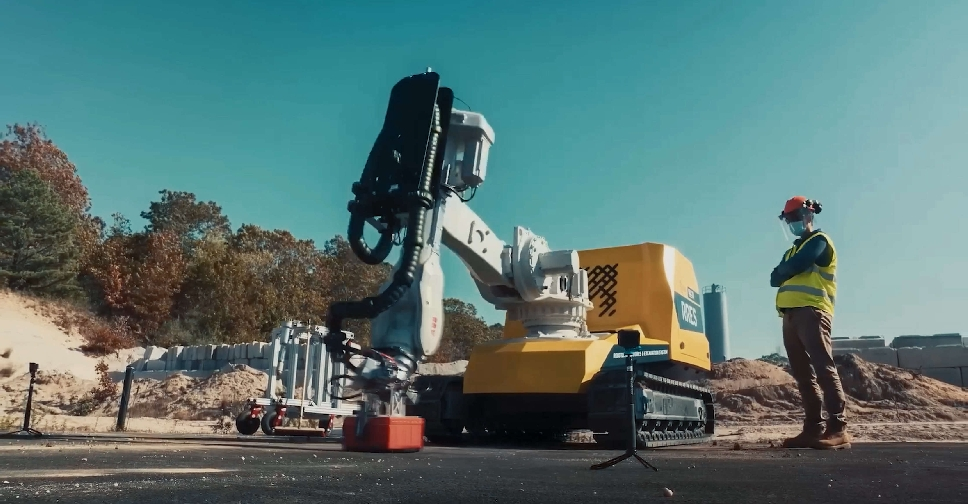
Unlike traditional construction sites filled with large crews, this villa will rely heavily on robotics, automation, and advanced systems. Robots will handle multiple stages of the build, from structural elements to assembly processes, under strict engineering supervision.
According to updates shared by the Dubai Media Office, the project is designed to study how robotic systems perform in real-world conditions. This includes accuracy, speed, safety, and cost efficiency.
Dubai Municipality has made it clear that this is not about building a showpiece. The villa is meant to test scalability. In simple terms, can this method work for regular housing projects in the future?
This experiment could directly influence how homes, villas, and even entire communities are built across the UAE.
A global collaboration with over 25 technology leaders
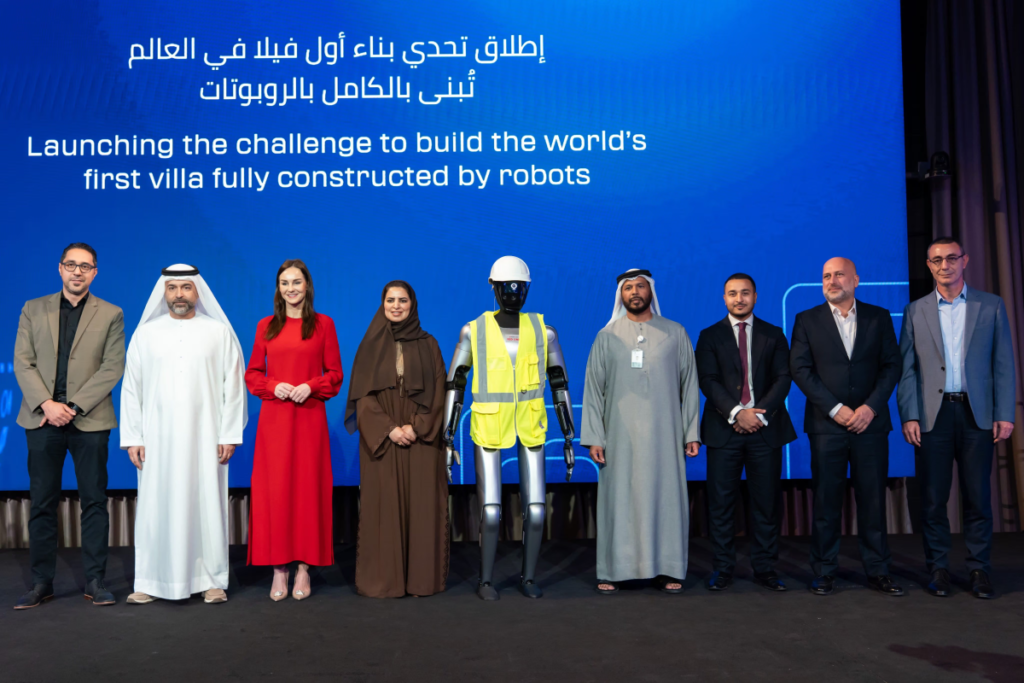
Dubai is not working alone on this project. More than 25 local and international technology companies and academic institutions are involved. The consortium includes major names such as Zacua Ventures and the Würth Group, along with specialised construction robotics firms, engineering experts, and regional contractors.
By bringing together global expertise and local execution teams, Dubai is positioning itself as a testing ground for advanced construction technologies.
This approach reflects a wider trend in the emirate. Dubai often pilots bold ideas locally, refines them, and then scales them across sectors. The robotic villa follows the same playbook.
It matters for Dubai’s construction industry
The construction sector worldwide is facing serious challenges. Labour shortages, rising material costs, safety concerns, and project delays are becoming more common. Dubai is not immune to these pressures, especially with continuous development across residential, commercial, and infrastructure projects.
Robotics offers solutions on multiple fronts. Automated systems can work longer hours with consistent precision. They reduce safety risks for workers and help control costs by cutting waste and delays.
During the same announcement, Dubai Municipality introduced the Global ConTech Report in partnership with Zacua Ventures. The report forecasts that global investment in construction technology could exceed $30 billion by 2033, growing at an annual rate of 17.5%.
Robotics, modular construction, and automation are no longer seen as optional upgrades. They are quickly becoming essential tools for modern cities.
The bigger strategy behind Dubai’s robotic construction push
The robot-built villa is part of a much larger plan. Alongside Sobha Realty, Dubai Municipality has introduced the 70–70 Strategy for 2030. The targets are ambitious but very specific.
The strategy aims for 70 percent of construction to shift to off-site manufacturing and 70 percent automation inside factories. This would significantly change how buildings are designed, produced, and assembled.
Dubai has already started laying the groundwork. Modular construction systems from China State Construction Engineering Corporation have been accredited, while AMANA has adopted modular building techniques for youth-focused workspaces.
Together, these moves signal a clear direction. Dubai wants faster builds, better quality control, and smarter use of technology across its construction sector.
for residents and future housing
For residents, the impact may not be immediate, but it is meaningful. If robotic construction proves successful at scale, future homes could be built faster and with fewer delays. Precision-led construction also improves structural consistency, which can enhance long-term durability.
There is also a sustainability angle. Robotics and automation can reduce material waste and improve energy efficiency during construction. In a city that continues to invest heavily in smart living and sustainable development, this aligns well with existing goals.
As Dubai grows, housing demand continues to rise. Technologies tested through projects like the Dubai robot-built villa could help meet that demand more efficiently.
This story also connects closely with Dubai’s wider innovation ecosystem, including smart cities, AI adoption, and future-ready infrastructure.
Dubai’s role as a testing ground for future cities
Dubai has often positioned itself as a real-world laboratory for innovation. From autonomous transport trials to AI-driven government services, the city is comfortable testing new ideas in public-facing environments.
The robotic villa project reinforces that identity. It sends a message to global investors, developers, and technology firms that Dubai is open to experimentation, provided it delivers real value.
For readers interested in construction innovation, smart housing, or future urban living, this project is one to watch closely. It may also influence future discussions around affordable housing, sustainable design, and faster project delivery in the UAE.
This development also links naturally with other local news around smart infrastructure, emerging technologies, and urban planning initiatives shaping the city.
Dubai’s plan to build the world’s first fully robot-made villa is more than a headline-grabbing idea. It is a practical test of how far construction technology has come and where it could go next.
If successful, it could change how homes are built in Dubai and beyond, making construction safer, faster, and more efficient.
Follow Social Kandura for more updates on local news and things to do in Dubai and across the UAE, including travel, food, lifestyle, and the latest developments shaping the city.
Read More


