

As Ramadan 2026 approaches, authorities across the UAE have stepped up food price monitoring to ensure residents are not burdened with unfair price increases.
Under the new directive, nine essential food items will be subject to daily inspections across retail outlets. The move aims to maintain stable prices during the holy month — a time when grocery spending naturally rises as families prepare for Iftar gatherings and Suhoor meals.
The UAE food price monitoring Ramadan 2026 campaign comes as part of wider efforts to protect consumers and ensure fair market practices across all emirates.
Also Read: Dubai Named the World’s Second-Best Food Destination for 2026 by TripAdvisor
Nine Essential Items Under Daily Inspection
Authorities have confirmed that nine staple food categories will be closely tracked. These include rice, cooking oil, dairy products, eggs, flour, bread, sugar, poultry, and pulses.
These items form the base of most Ramadan meals in UAE homes. From a simple plate of biryani to luqaimat served after Iftar, these ingredients are part of daily life during the holy month.
Retailers are expected to maintain approved pricing structures. Any attempt to increase prices without official justification will trigger action.
Daily field inspections will be conducted to ensure compliance. Officials will also monitor promotional offers to ensure they are genuine and not misleading shoppers.
This is particularly important in Dubai and Sharjah, where supermarket footfall increases significantly during Ramadan evenings.
Also Read: Family-Friendly Ramadan Activities in Dubai for Kids That Make Evenings Feel Special
Why Price Monitoring is important During Ramadan?
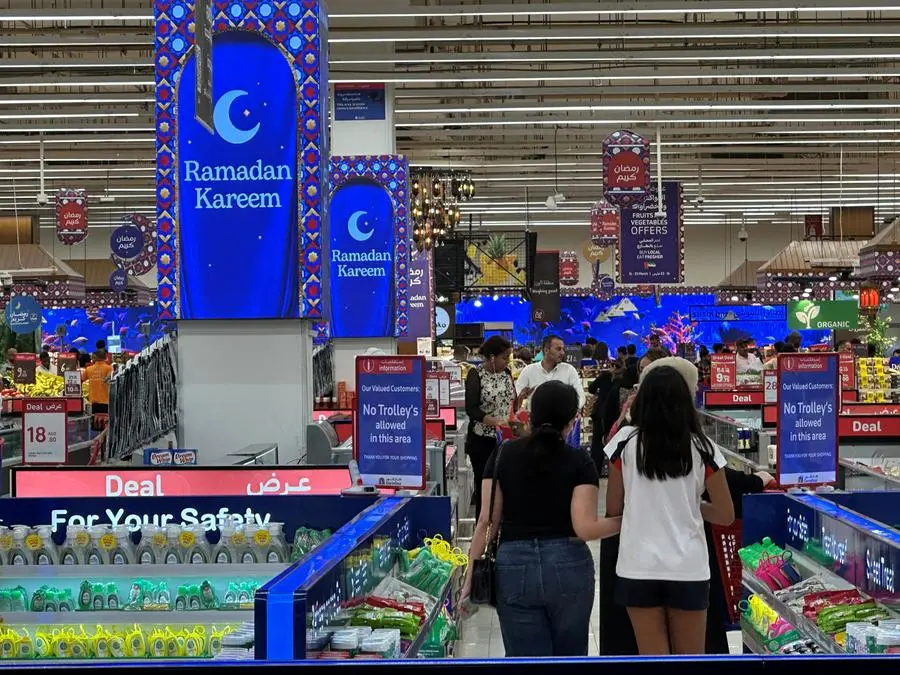
Ramadan is not just a spiritual time. It is also one of the busiest retail periods in the UAE.
Households tend to stock up. Families host larger Iftars. Community initiatives distribute food boxes. Restaurants roll out special Ramadan menus.
With higher demand comes the risk of price manipulation. Authorities have clarified that maintaining stable prices protects both consumers and ethical retailers.
Officials have also reminded retailers that cooperation during Ramadan reflects social responsibility — something the UAE consistently prioritises during religious occasions.
For residents managing household budgets, especially larger families, even small price increases can add up quickly. Monitoring helps maintain balance in the market.
Recommended Blog: Ramadan Souq in Dubai 2026: The Best Night Markets to Visit This Holy Month
Residents Can Report Violations
Shoppers are not expected to stay silent if they notice irregularities.
Authorities have encouraged residents to report any suspected price violations through the consumer hotline 800 1222 or via official digital platforms.
Complaints are reviewed, and inspections are carried out when required. This direct reporting system gives residents confidence that concerns will be addressed.
Consumer awareness has grown over the years in the UAE. Many shoppers now actively check price labels and compare rates before making purchases.
Clear pricing, visible tags, and official promotional signage are mandatory for retailers.
Residents are reminded to keep receipts when filing complaints, as documentation speeds up the review process.
Supermarkets Prepare for Ramadan Rush
Major supermarket chains across the UAE have already begun stocking shelves in preparation for Ramadan 2026.
Discount campaigns, bundle offers, and Ramadan food baskets are expected to roll out closer to the start of the holy month. However, these promotions must comply with pricing regulations.
Authorities are not discouraging discounts. In fact, they encourage competitive pricing. The goal is to prevent artificial inflation disguised as promotions.
In previous years, similar monitoring campaigns helped maintain price stability across major retail outlets. Officials expect the same outcome this year.
The move also aligns with broader UAE efforts to strengthen consumer protection policies and maintain market transparency.
Residents can expect increased inspection visits across supermarkets, hypermarkets, and cooperative societies throughout Ramadan.
A Step Towards Fairer Markets
The UAE has consistently introduced proactive measures ahead of Ramadan to maintain fairness in the market.
With food being a daily essential, stable pricing plays a direct role in household wellbeing. Authorities have stressed that protecting consumers remains a top priority.
As Ramadan 2026 draws closer, residents can shop with added reassurance knowing that essential items are under close supervision.
For more updates on Ramadan rules in the UAE, new policies affecting residents, and consumer rights in Dubai, stay tuned to our local coverage.
Follow Social Kandura for more updates on local news and things to do in Dubai and across the UAE — from Travel and Bollywood to food and lifestyle stories that matter.
Read More