

Classrooms across the UAE will remain virtual a little longer.
The Ministry of Education confirmed late Monday that distance learning has been extended until April 17, 2026, for all students, from nurseries right up to secondary schools. Teachers and administrative staff will also continue working remotely during this period.
The move keeps the entire education system aligned under one approach, with safety and well-being clearly at the centre of the decision. Authorities also noted that the situation will be reviewed every week, leaving room for changes if needed.
???? ????? ??????? ???????? ??????? ?????? ?? ??? ??? ??? ?????? ??????? 17 ????? 2026 ?????? ??????? ??????? ???????? ?? ???? ???????? ????? ??????? ???????? ???????? ???????? ???? ?????? ??? ????? ??????? ?? ????? ????? ????? ????????.
— ????? ??????? ???????? (@MOEUAEofficial) March 30, 2026
The Ministry of Education announces the… pic.twitter.com/Q2c2sCPoZw
A Decision That’s Been Building Up
This isn’t a sudden shift. It’s part of a longer timeline that schools and families have already been navigating.
Remote learning first came into effect on March 2. Soon after, the spring break was brought forward, giving schools a small window to reorganise. When Term 3 began on March 23, students logged back in instead of walking into classrooms.
At the time, there was hope that schools might reopen in early April. That now feels unlikely—at least for the next couple of weeks.
Across Dubai, it’s become a familiar scene again. Morning school runs have been replaced with login reminders, kitchen tables turned into study desks, and school bells swapped for notification sounds.
Schools Step Up—Again
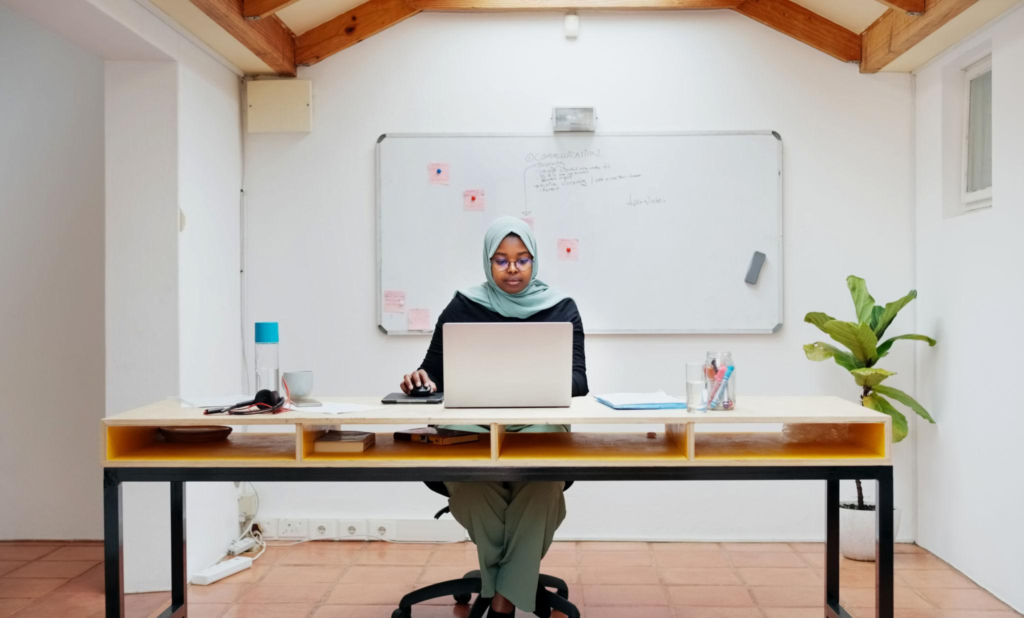
If there’s one thing this phase has shown, it’s how quickly schools across the UAE can adapt.
Many campuses used the break to fine-tune their online systems. Teachers adjusted lesson plans, IT teams strengthened platforms, and schools rolled out clearer schedules to avoid the confusion seen in earlier phases of remote learning.
For younger children, especially those in kindergarten, the transition has been more hands-on. Several schools hosted trial sessions over the weekend, helping parents understand how classes would run and what support their children might need.
It’s not perfect—but it’s noticeably smoother than before.
New Academic Year Begins… From Home
For thousands of students following Indian and Pakistani curricula, this week marked the start of a brand-new academic year—but not in the way many expected.
Schools in Abu Dhabi, Sharjah, and the northern emirates reopened online, a week later than planned. Classrooms stayed empty, while students met their teachers through screens instead.
Dubai’s Asian curriculum schools were initially preparing to welcome students back on April 6. With the latest announcement, those plans are now on hold, bringing all schools across the UAE onto the same page.
For many families, it’s meant adjusting expectations—again.
Is a Return to Classrooms Still Possible?
There is still a pathway for schools that want to reopen physically—but it’s not a simple one.
Private schools, particularly in Dubai, can apply for approval to resume in-person learning. However, the process involves detailed submissions, clear reasoning, and strict evaluation.
Each request is reviewed individually before being passed on to the Ministry of Education for a final call.
In reality, this means only a limited number of schools—if any—are likely to reopen soon. For most, distance learning remains the only option for now.
Universities Take a Different Route
While school students stay home, university campuses are beginning to show signs of activity again.
Some higher education institutions have started a gradual return, but only for courses that genuinely need physical presence. Think lab work, clinical training, or practical sessions that simply can’t be replicated online.
Exams are also being allowed on campus in certain cases.
At the same time, not all universities are making the switch. Several institutions have chosen to continue remotely, keeping things fully online until there’s more clarity.
This mixed approach reflects the nature of university learning—more flexible, but also more dependent on specialised facilities.
For families in the UAE
Across the UAE, households are settling back into a rhythm that many had hoped was behind them.
Parents are juggling work calls alongside school schedules. Younger children need more supervision, while older students manage assignments independently—at least most of the time.
There’s also a growing sense of adjustment. What once felt disruptive now feels somewhat routine.
These shifts show how education in the UAE continues to evolve, even in uncertain moments.
For now, the message is clear—learning continues, just not inside classrooms.
The UAE’s decision to extend distance learning until April 17 reflects a steady, cautious approach. With weekly reviews in place, authorities are keeping their options open while ensuring students remain safe.
And across homes in Dubai and beyond, screens stay on, lessons continue, and daily routines quietly adapt once again.
Follow Social Kandura for more updates on local news and things to do in Dubai and across the UAE.


