

There’s something powerful about standing in a place where history and faith meet. The kind of place that doesn’t need signs or plaques to feel important — you just sense it. That’s the quiet weight Al-Fath Mosque carries in Al-Jumum, near Makkah. And now, after years of being overlooked, this sacred site is finally being brought back to life.
As part of the national heritage initiative led by Crown Prince Mohammed bin Salman, Saudi Arabia has officially begun the restoration of Al-Fath Mosque under the Prince Mohammed bin Salman Project for the Development of Historic Mosques. The programme aims to protect, restore, and revive some of the Kingdom’s most important Islamic landmarks — not just structurally, but spiritually and culturally too.
The Al-Fath Mosque restoration in Saudi Arabia project isn’t about modernisation for the sake of it. It’s about preservation, respect, and continuity — keeping the soul of the place intact while making it usable for future generations.
A sacred site with deep spiritual roots
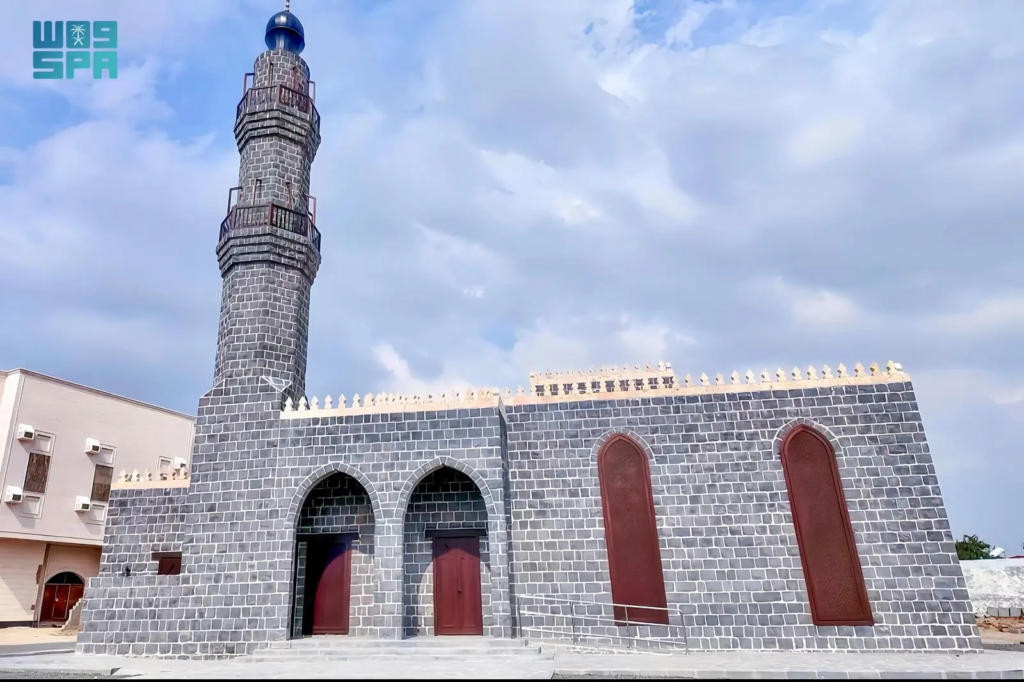
Al-Fath Mosque isn’t just another historic structure. Islamic tradition holds that Prophet Muhammad (peace be upon him) prayed at this location — a belief that gives the site a special spiritual status in the Makkah region. For many worshippers, that connection alone makes it sacred ground.
The mosque sits along the historic Makkah–Madinah route, around 260 metres from the main road. It’s not a place you stumble upon easily. Over time, it slipped into quietness — not abandoned, but forgotten. Locals knew it. Travellers passed by it. But it no longer held the presence it once did.
The last major restoration happened back in 1998, when a basic prayer area and simple women’s facilities were added. After that, the mosque remained largely untouched.
Until now.
According to reports by Arab News and the Saudi Press Agency, this current restoration is the most significant intervention in the mosque’s modern history — designed not just to repair, but to revive its role in community worship and religious life.
More space, stronger structure, same soul
This project goes far beyond surface repairs.
Once complete, Al-Fath Mosque will expand from 455.77 square metres to 553.50 square metres, increasing its capacity from 218 worshippers to 333. That might sound like numbers on paper, but in real terms, it means more space for people to pray comfortably — especially during peak times like Ramadan, Fridays, and religious seasons.
But the most important part isn’t the size. It’s how the restoration is being done.
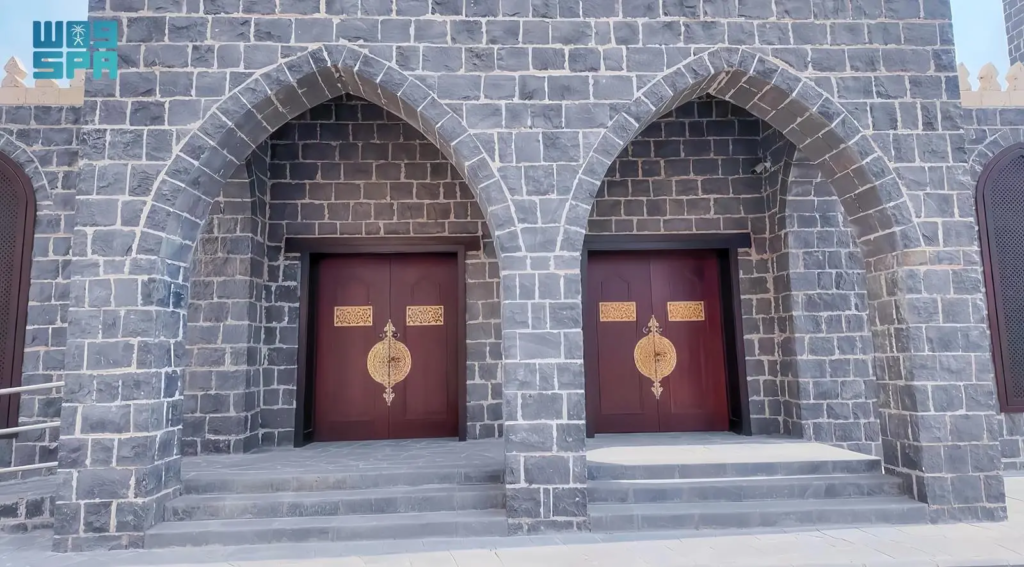
Builders are using traditional materials that reflect authentic Hijazi architecture:
- Brick
- Basalt stone
- Gypsum
- Natural wood
These aren’t decorative choices. They’re cultural ones.
The project deliberately avoids turning the mosque into a modern concrete structure with generic finishes. Instead, it preserves original architectural features, including carved wooden balcony screens and traditional design elements. The focus is on conservation, not replacement.
In simple terms: the mosque will feel stronger, safer, and more welcoming — but it will still feel like Al-Fath.
Part of a much bigger cultural movement
Al-Fath Mosque is one of 60 mosques currently under restoration, part of a wider list of 130 historic mosques identified across Saudi Arabia for preservation.
This is the second phase of the national programme, which spans all 13 regions of the Kingdom — from Riyadh and Madinah to Aseer, Jouf, and Jazan. What makes this initiative different is its local-first approach.
Each mosque is restored using region-specific architecture and materials, rather than applying a single design style across the country. That means every mosque keeps its local identity — its textures, proportions, and cultural character.
It’s not about creating monuments. It’s about keeping history alive in its natural form.
A heritage story that feels close to home in the UAE
For people living in Dubai and across the UAE, this story feels familiar.
We’ve seen the same mindset growing here — old neighbourhoods being preserved, heritage buildings being restored, and cultural sites protected instead of replaced. From Al Fahidi Historical District in Dubai to heritage areas in Sharjah and Abu Dhabi, the region is slowly shifting towards preservation over demolition.
The restoration of Al-Fath Mosque reflects that same philosophy:
Progress doesn’t mean erasing the past. It means carrying it forward.
For pilgrims, travellers, and worshippers moving between Makkah and Madinah, restored sites like this add depth to the journey. These aren’t just prayer spaces — they’re living chapters of Islamic history.
The restoration of Al-Fath Mosque isn’t just a construction project. It’s a cultural reset. A reminder that sacred spaces deserve care, respect, and continuity — not just expansion.
By increasing capacity, strengthening the structure, and preserving its Hijazi identity, Saudi Arabia is protecting more than a building. It’s protecting memory, meaning, and faith.
For the region, this project sets a powerful example: heritage can evolve without losing its soul.
And for worshippers, it means one more sacred place restored — not as a museum, but as a living space for prayer, reflection, and connection.
Follow Social Kandura for more updates on local news and things to do in Dubai and across the UAE.
Read More


