
Saudi Arabia’s iconic Nafud Desert has achieved an important global recognition. It has officially been accredited as a Dark Sky Place, making it one of the few destinations in the Middle East recognised for protecting its natural night skies.
Located within the Imam Turki bin Abdullah Royal Reserve, the Nafud Desert is now part of a global network of more than 250 certified dark sky locations. The status is awarded by Dark Sky International, a global organisation working to reduce light pollution and preserve the world’s nighttime environments.
For readers in Dubai, this news hits close to home. We understand the value of stepping away from city lights, whether it’s a late-night desert drive beyond Al Qudra or camping near Al Badayer. Nafud offers that same sense of escape—on a much larger, protected scale.
What Makes a Dark Sky Place So Special?
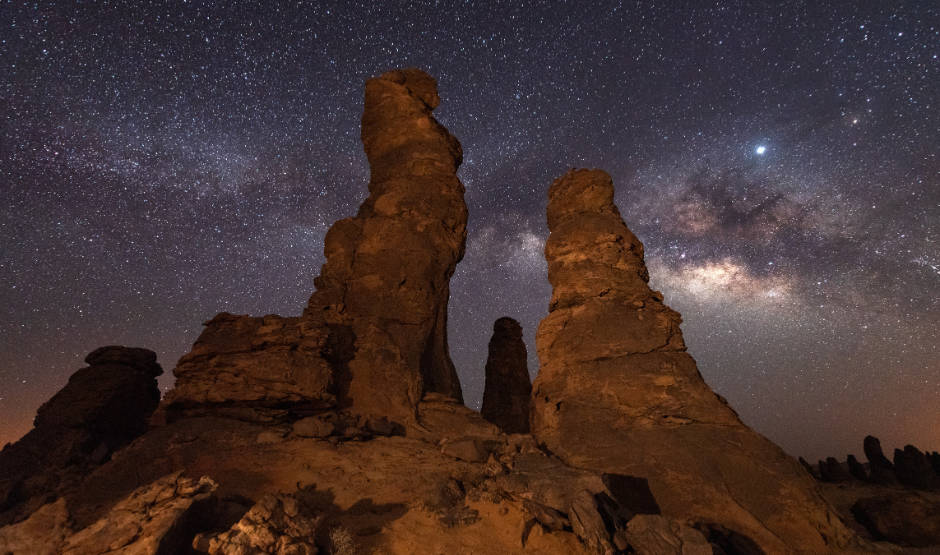
A Dark Sky Place is not simply about fewer streetlights. The recognition means the area meets strict global standards for controlling artificial lighting and preserving darkness after sunset.
In Nafud’s case, the accreditation followed months of scientific work. This included field studies, astronomical observations, and detailed nighttime analysis. Authorities also introduced specialised lighting systems to ensure any necessary illumination does not interfere with the natural sky.
This level of planning is something Dubai residents will appreciate. Much like how the UAE balances development with conservation—think protected desert reserves or turtle-friendly beach lighting—Saudi Arabia is now taking a similar approach with its deserts at night.
The result is a landscape where the stars, not city glow, take centre stage.
Inside the Nafud Desert Reserve
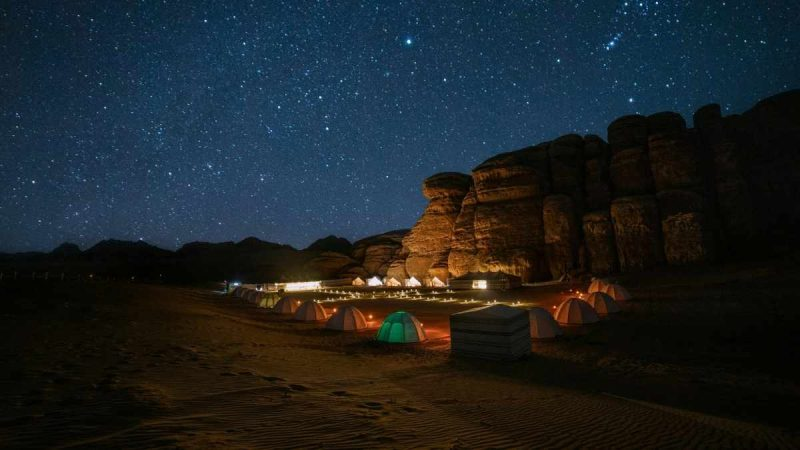
The Nafud Desert stretches across 13,416 square kilometres, making it one of the largest active Dark Sky Sites in the region. It lies east of the Hail–Al Jawf road and is known for its red dunes, open plains, and minimal human activity.
Because of its location and low light pollution, Nafud offers some of the clearest night skies in the Kingdom. On a clear night, visitors can see the Milky Way, meteor showers, and constellations rarely visible from urban areas.
For UAE travellers used to desert safaris and luxury camps, Nafud presents a different kind of experience. This is not about dune bashing or crowded itineraries. It’s about silence, space, and looking up at a sky that feels untouched.
This recognition really matters for the UAE
Astrotourism is growing worldwide, and the Middle East is slowly carving out its place in this niche. Dark sky destinations attract photographers, astronomers, researchers, and travellers who want meaningful, low-impact experiences.
Saudi Arabia’s investment in eco-tourism has been steadily increasing, and Nafud’s Dark Sky status fits neatly into that vision. It positions the desert as a premium destination for night-sky tourism while keeping environmental protection front and centre.
For Dubai residents who regularly explore Oman, Jordan, or Saudi Arabia for short breaks, this opens up another reason to travel regionally. Stargazing tours, guided night walks, and astronomy-based experiences could soon become part of future itineraries.
Protecting the Night, Not Just the Land
Light pollution is often overlooked, but its impact is real. It disrupts wildlife, affects natural sleep patterns, and erases our connection to the night sky.
By meeting Dark Sky International’s criteria, Saudi authorities have shown a long-term commitment to protecting the desert’s nighttime environment. Controlled lighting, ongoing monitoring, and strict planning policies ensure the sky remains as natural as possible.
This approach mirrors conversations happening in Dubai and across the UAE, where sustainability is no longer optional. From solar-powered infrastructure to wildlife conservation zones, the region is slowly redefining what responsible development looks like.
Nafud’s recognition sends a clear message: progress and preservation can coexist.
A Different Kind of Travel Experience
What sets Nafud apart is the feeling it promises. No traffic noise. No neon lights. Just sand, stars, and silence.
For travellers used to Dubai’s fast pace, that contrast is powerful. It’s the kind of experience that stays with you long after the trip ends. Watching the sky shift from deep blue to pitch black. Spotting constellations you’ve only seen in books. Realising how rare true darkness has become.
As regional tourism evolves, experiences like this are becoming just as valuable as luxury hotels or shopping districts.
The Nafud Desert’s recognition as a Dark Sky Place is more than a tourism headline. It’s a sign of where the region is heading—towards thoughtful travel, environmental care, and experiences that feel real.
For Saudi Arabia, it strengthens its growing eco-tourism portfolio. For travellers in Dubai and across the UAE, it offers a fresh reason to look beyond city lights and rediscover the magic of the night sky.
Read More: Keinemusik Is Bringing Its First-Ever Desert Show to Dubai in March 2026
Follow Social Kandura for more updates on local news, Travel inspiration, things to do, Bollywood buzz, and food and lifestyle stories shaping life in Dubai and across the UAE.


