

As Ramadan draws closer, Saudi Arabia has announced a fresh set of nationwide guidelines for mosques, aimed at keeping prayer schedules consistent, managing crowds smoothly, and maintaining the spiritual atmosphere of the holy month.
The Ministry of Islamic Affairs, Call and Guidance issued the directives as preparations begin across the Kingdom. With millions expected to visit mosques daily, especially during night prayers, the focus this year is clear: order, clarity, and respect for worshippers.
For residents in Dubai and across the UAE — many of whom travel to Saudi Arabia for Umrah during Ramadan — these rules also set expectations well in advance.
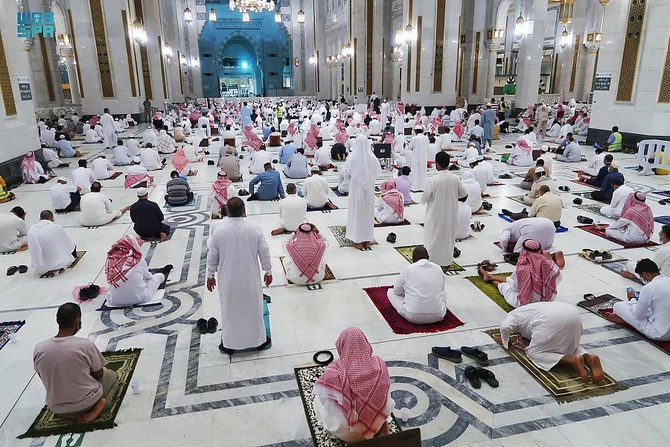
Prayer Timings to Follow the Umm Al Qura Calendar
At the centre of the announcement is strict adherence to prayer timings.
All mosques have been instructed to follow the Umm Al Qura calendar without exception. This applies to every prayer throughout Ramadan, ensuring uniformity across cities and regions.
Special attention has been given to Isha and Fajr prayers, which see increased attendance during the holy month. The ministry has clearly stated that the time gap between the adhan and the start of the congregational prayer must be fixed at 15 minutes.
This move is designed to avoid confusion and late starts — something worshippers value, especially during Ramadan when sleep schedules are already adjusted.
For those used to Dubai’s tightly managed mosque timings during Ramadan, the approach will feel familiar and reassuring.
Clear Responsibilities for Mosque Staff
The guidelines also set firm expectations for mosque staff, including imams, muezzins, and support workers.
Attendance throughout Ramadan is mandatory. Absences will only be allowed in cases of genuine emergency and must receive official approval. When an absence is approved, a substitute must be arranged in advance.
The aim is to ensure prayers run smoothly every day, without disruptions or last-minute changes.
This level of coordination reflects how mosques across the UAE operate during peak Ramadan hours, especially in busy neighbourhoods where footfall increases significantly after iftar.
Tahajjud Prayers to End Before Dawn
Tahajjud prayers, held during the final 10 nights of Ramadan, have also been addressed in the circular.
Authorities have confirmed that these late-night prayers must conclude before dawn, in a way that does not place unnecessary strain on worshippers.
The last 10 nights are among the most spiritually significant moments of Ramadan, when mosques are filled well past midnight. The ministry has emphasised balance — allowing people to worship deeply while still considering health and rest.
In addition, Qunut supplications during prayers must follow prophetic tradition. They should be calm, humble, and measured, avoiding excessive length or elaborate wording.
Rules on Donations, Iftar Meals, and Mosque Discipline
With charitable giving at its peak during Ramadan, the ministry has reiterated important rules around donations and mosque conduct.
Begging inside mosques or in nearby areas is strictly prohibited. Mosque staff have been directed to report violations immediately to security authorities.
Worshippers are also being reminded to ensure that zakat and charitable donations are given only through legitimate and approved channels.
Iftar meals may only be organised in designated mosque courtyards and must be supervised by mosque authorities. Once meals are finished, the area must be cleaned promptly.
Donations of bottled water are to be regulated according to actual need, and large-scale storage has been discouraged to prevent waste — a principle that resonates strongly in sustainability-focused cities like Dubai.
Surveillance and Media Use Inside Mosques
The ministry has also reinforced rules around surveillance systems.
While security cameras are permitted for safety purposes, they must not be used to record worshippers or imams during prayers. Any form of live streaming or broadcasting prayers on social media or other platforms is banned.
The intention is to protect privacy and ensure mosques remain spaces of worship, not content creation.
Impact across the region
Although the guidelines apply to Saudi Arabia, their impact stretches across the region.
Many UAE residents travel to the Kingdom during Ramadan, while others closely follow Saudi prayer schedules and moon sightings. These measures set a clear regional standard for managing mosques during one of the busiest times of the year.
For Dubai residents, the announcement also serves as a reminder of the shared cultural rhythm across the Gulf — from prayer timings to iftar traditions and night prayers.
With Ramadan just around the corner, Saudi Arabia’s updated mosque rules aim to create a calm, organised, and respectful environment for worshippers.
From fixed prayer timings to clear guidelines on donations and night prayers, the focus is on preserving the spiritual essence of Ramadan while ensuring comfort and clarity for everyone.
Follow Social Kandura for more updates on local news and things to do in Dubai and across the UAE, including Ramadan guides, travel updates, Bollywood stories, food and lifestyle features, and cultural highlights from around the region.
Read More: Ramadan Rules in UAE 2026: What Daily Life Looks Like in Dubai During the Holy Month


