

Saudi Arabia’s aviation plans are picking up speed — and cargo is now part of the picture.
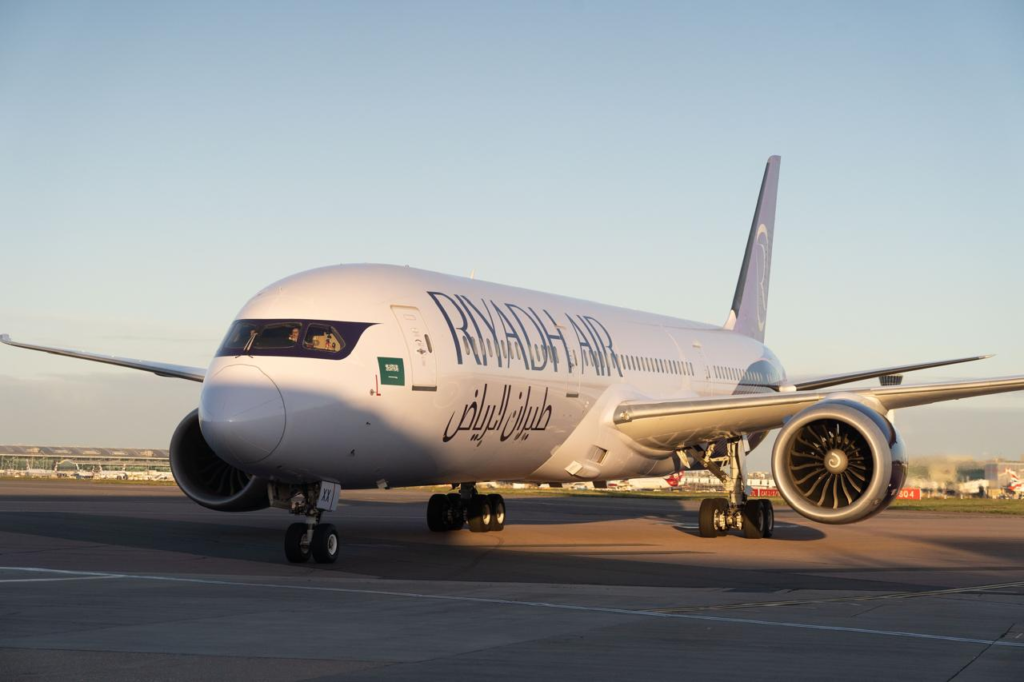
Riyadh Air has officially launched Riyadh Cargo, marking the airline’s entry into the global air freight market. The new cargo brand will operate through belly-hold capacity on Riyadh Air’s wide-body aircraft, allowing goods to move alongside passenger flights as the airline prepares for full-scale operations.
It’s a calculated move. And one that’s being closely watched across the Gulf — especially in logistics hubs like Dubai.
A cargo launch before passenger flights
Unlike traditional airline rollouts, Riyadh Air is building its cargo business early. Instead of waiting for passenger demand to mature, the airline is activating freight capacity from the outset.
Riyadh Cargo will use the unused space beneath passenger cabins — commonly known as belly-hold cargo — to transport shipments across international routes. This includes high-value, time-sensitive goods that rely on fast air connectivity.
For Saudi Arabia, this isn’t just about moving boxes. It’s about positioning the country as a serious logistics gateway between Asia, Europe, and Africa.
It matters for the Gulf — and Dubai
From a UAE perspective, the launch adds another strong player to an already competitive air cargo landscape.
Dubai has long been the region’s logistics nerve centre, with Emirates SkyCargo, Jebel Ali, and Al Maktoum International playing key roles in global supply chains. Abu Dhabi, too, has expanded its air freight footprint in recent years.
Riyadh Cargo doesn’t disrupt that dominance overnight. But it adds new capacity, new routing options, and fresh competition — all of which tend to benefit the wider market.
For Dubai-based freight forwarders and logistics firms, this could mean:
- More flexible cargo routing options
- Stronger Saudi-UAE trade links
- Increased movement across regional air corridors
In short, more aircraft, more cargo, and more business flowing through the Gulf.
Belly-hold cargo: efficient and in demand
Belly-hold cargo may sound technical, but it plays a quiet yet vital role in modern aviation.
Wide-body aircraft flying long distances often have spare space below the cabin. When used efficiently, this space can carry:
- Pharmaceuticals
- Electronics
- Fashion and luxury goods
- E-commerce shipments
By activating this capacity, Riyadh Cargo can move freight without operating dedicated cargo aircraft — keeping costs down and operations flexible.
It’s also a smarter sustainability play. Using existing flights to transport cargo helps reduce the environmental impact per shipment, something Gulf carriers are increasingly factoring into their long-term plans.
A clear fit with Saudi Arabia’s logistics vision
Riyadh Cargo’s launch aligns closely with Saudi Arabia’s broader economic strategy.
The Kingdom has been investing heavily in:
- Airport infrastructure
- Integrated logistics zones
- Faster customs and clearance systems
- Multimodal transport links
Air freight sits at the centre of this transformation. Reliable cargo connectivity attracts global manufacturers, supports growing e-commerce demand, and strengthens supply chains across sectors.
Riyadh Air’s cargo arm adds another layer to that ecosystem — especially as Riyadh aims to stand alongside established hubs like Dubai and Doha.
What businesses and consumers can expect?
Cargo announcements don’t always grab public attention, but their impact is felt quickly.
For businesses, Riyadh Cargo could bring:
- Faster transit times
- More direct shipping routes
- Greater cargo availability during peak seasons
For consumers across Saudi Arabia and the UAE, stronger air freight networks often mean:
- Quicker online deliveries
- Better access to global products
- Smoother cross-border trade
As regional e-commerce continues to grow — particularly between Saudi Arabia and the UAE — air cargo capacity will become increasingly critical.
A confident first step for Riyadh Air
Launching cargo operations early shows Riyadh Air’s long-term thinking.
Rather than relying solely on passenger revenue, the airline is diversifying from day one. It’s a model followed by many successful global carriers — and it reflects Saudi Arabia’s broader ambition to build a resilient, multi-pillar aviation industry.
For Dubai and the wider UAE, this isn’t a rivalry story. It’s a sign of a maturing Gulf aviation market, where multiple hubs grow together rather than compete for survival.
With Riyadh Air launching Riyadh Cargo, Saudi Arabia takes another decisive step towards becoming a global logistics player. By activating belly-hold freight across its wide-body fleet, the airline is tapping into strong cargo demand while supporting the Kingdom’s wider economic goals.
For the region, this means increased connectivity, enhanced movement, and a stronger aviation ecosystem overall.
Follow Social Kandura for more updates on local news and things to do in Dubai and across the UAE, including Travel, Bollywood, food and lifestyle stories shaping everyday life in the city.
Read More


