
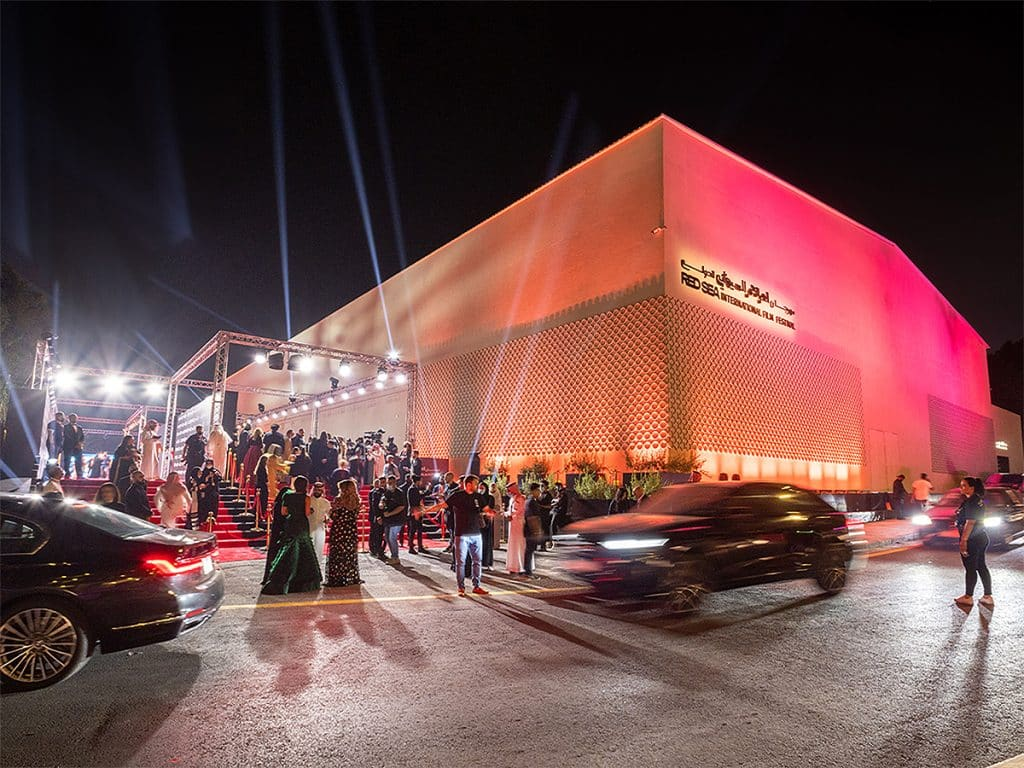
The Red Sea International Film Festival opened in Jeddah with a packed red carpet, global stars, and a strong regional presence, marking one of the Middle East’s most anticipated cultural moments of the year. The event once again positioned Saudi Arabia as a rising entertainment hub, drawing interest from audiences across the GCC, including many from Dubai who closely follow the region’s growing film scene.
The Festival Returns With Bigger Global Presence
This year’s edition welcomed filmmakers, actors, producers, and industry leaders from around the world. The opening night set the tone early—glamorous, energetic, and anchored by a clear commitment to celebrate Arab stories.
The Red Sea International Film Festival has quickly grown into a major annual platform, especially for emerging directors from the Middle East. Its location in Jeddah Old Town adds cultural weight, giving the festival a character that blends cinema with heritage. For many from Dubai who travel for regional events, Jeddah has steadily become a familiar stop on the cultural calendar.
Opening Film Sets the Mood for the Season
The festival kicked off with a carefully selected opening film that reflects the region’s evolving creative ambition. The choice focused on storytelling rooted in cultural identity, resonating strongly with filmmakers from the GCC.
Through its programming, the festival has consistently highlighted voices from Arab countries, including the UAE, where independent filmmaking continues to grow. Stories that mirror local realities, generational experiences and the changing landscape of Gulf societies are becoming more visible—and events like this push them forward.
Hollywood and Regional Stars Take Over the Red Carpet
The red carpet drew a mix of international celebrities and regional icons, giving the opening night a global-meets-local feel. Actors, directors and producers from Europe, Asia, Hollywood and the Arab world attended, reinforcing the festival’s rising global influence.
This blend of talent is something UAE audiences relate to as well, especially with Dubai’s own multicultural entertainment scene. Many residents follow Saudi events closely, as both countries continue shaping the region’s creative identity. The collaboration and cross-movement of talent between Dubai, Abu Dhabi and Jeddah have played a major role in expanding the Gulf’s entertainment footprint.
Spotlight on Arab Talent and Regional Filmmakers
A major highlight of this year’s edition is the focus on Arab cinema. The festival’s selection features films from Saudi Arabia, the UAE, Egypt, Lebanon, Jordan and North Africa. Several workshops and panel discussions are also tailored for young filmmakers, giving them direct access to industry veterans.
Many UAE-based creatives see the Red Sea International Film Festival as a gateway to new opportunities. With Saudi Arabia investing heavily in film production, regional collaborations are increasing. For Dubai’s creative community, this opens more pathways for co-productions, talent exchange and screenings.
A Growing Platform for Saudi’s Creative Industry
Saudi Arabia’s investment in entertainment has reshaped the regional film landscape in a short span. The Red Sea International Film Festival is one of the strongest examples of this shift. What started as a cultural milestone has now become a bridge connecting international cinema with new Arab storytelling.
Visitors this year will notice how the festival balances industry-focused programming with public screenings. Families, students and cinema lovers from around Jeddah and other Saudi cities fill the venues daily. For GCC audiences—especially those from Dubai who enjoy weekend culture trips—Jeddah’s growing arts scene continues to feel more accessible than ever.
The festival’s impact goes beyond screenings. It supports film funds, offers grants and provides training for new writers, directors and producers. The Red Sea Lodge, for instance, has helped several young filmmakers from the region develop scripts that later reached international festivals. This push has created a steady cycle of talent that strengthens the entire Middle Eastern film ecosystem.
Global Premieres and Regional Debuts Draw Attention
This year’s lineup features a mix of global premieres, Arab debuts and restored classics. Many films address themes that resonate with audiences across the Gulf—identity, family, change and the fast-paced transformation of the region.
One of the festival’s strengths is how it introduces new stories while still respecting cinematic heritage. Retro screenings and masterclasses with veteran filmmakers sit alongside bold, experimental films from young directors. That balance reflects the region itself—a space where tradition and modernity often meet.
For Dubai audiences used to major entertainment attractions—from DIFC Art Nights to major film weeks—the Red Sea Festival’s blend of culture and modern filmmaking feels familiar. It shows how the GCC continues aligning its creative ambitions with global trends while building its own cultural identity.
Industry Panels Highlight the Future of Arab Cinema
Beyond screenings, the festival hosts a series of talks and panel discussions addressing the future of Arab cinema. Topics range from distribution challenges to digital growth, script development and the international rise of Gulf stories.
Industry experts offered insights into how the region’s film sector can scale further. They highlighted the increasing interest from global platforms, rising cross-border collaborations and the need for more training to support new talent. UAE and Saudi voices played a significant role in the conversations, reflecting their leadership in the region’s rapidly expanding entertainment sector.
These sessions are particularly valuable for young creatives from the UAE who often travel to Jeddah for networking. The exposure to global producers and established filmmakers helps them sharpen their craft and understand current industry demands.
Local Audiences Bring Energy to the Festival
A strong turnout from locals gave the event an energetic and welcoming feel. From students excited to meet their favorite actors to families attending public screenings, the atmosphere felt lively and community-driven.
This local engagement is one of the reasons the Red Sea International Film Festival continues to grow. It connects film culture directly with everyday audiences, not just industry professionals. That approach mirrors Dubai’s own cultural events, where public participation plays a big role in shaping the city’s creative lifestyle.
Residents from the UAE who travel to Saudi for long weekends often include the festival as part of their itinerary. With Jeddah only a short flight from Dubai, such cultural trips have become increasingly popular in recent years.
Red Carpet Moments That Made Headlines
As with every major film festival, red carpet moments took over social platforms. Designers from the Middle East, including several based in the UAE, made strong appearances through celebrity styling. International and regional stars walked the carpet in looks that combined elegance with cultural touchpoints.
These appearances play a big role in shaping the festival’s global image. The increased involvement of GCC designers and stylists also highlights how fashion and film continue to merge across the region. Dubai’s own design community has found growing visibility through collaborations that surface at events like the Red Sea Festival.
What’s Next for the Festival?
With a packed schedule of screenings, workshops and networking events over the coming days, the festival is expected to attract thousands of visitors. Its long-term vision aims to establish Jeddah as one of the leading film capitals in the Middle East.
The growing support from Saudi authorities, combined with strong regional engagement, means the festival will likely expand further. UAE audiences can expect more cross-cultural collaborations, more regional stories being told on global platforms, and more opportunities for Arab filmmakers to break into international markets
The Red Sea International Film Festival’s opening in Jeddah delivered a powerful message: Arab cinema is growing, evolving and ready to take its place on the global stage. With its strong programming, celebrity presence, and dedicated support for regional talent, the event continues shaping the future of storytelling in the Middle East.
For audiences in Dubai, the festival represents more than red-carpet moments—it reflects a shared regional identity and a rising creative movement that connects the Gulf in new ways.
Read More:
- Spanish Super Cup 2026 in Jeddah: Dates, Fixtures and UAE Fan Excitement – Social Kandura
- Atallah Happy Land Park Closure Marks the End of an Era in Jeddah – Social Kandura
Follow Social Kandura for the latest local news and things to do in Dubai and across the UAE.


