
Ramadan changes everything in the UAE — especially how, when, and where people eat. Kitchens stay open longer. Bakeries work overnight. Iftar prep starts before sunrise. And every café, supermarket, and restaurant feels the rush.
That’s exactly why Ras Al Khaimah has rolled out a 24/7 food safety campaign for the holy month.
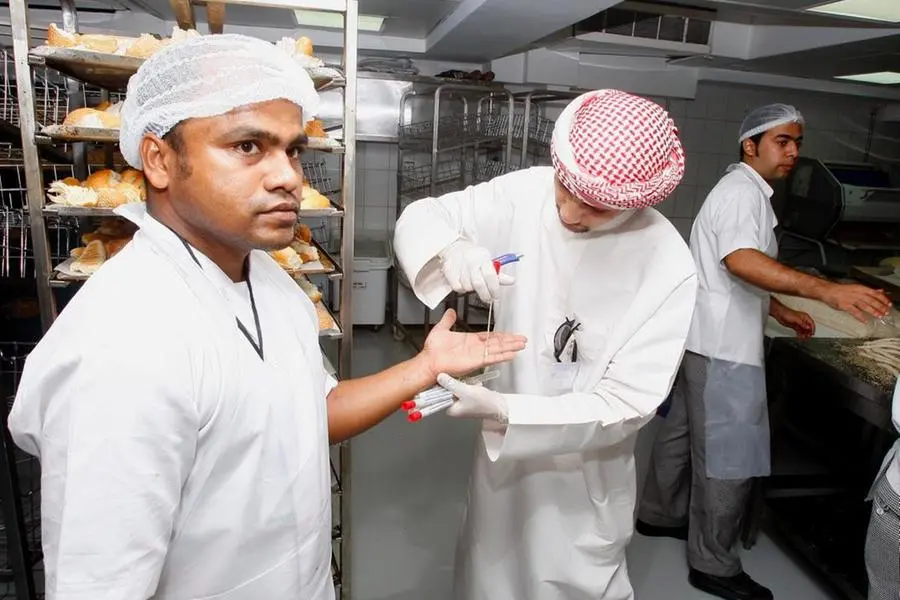
The new drive focuses on constant inspections, staff training, and strict hygiene monitoring across food businesses — from small traditional kitchens to large hypermarkets and bakeries. The idea isn’t just to enforce rules, but to make sure safety becomes routine, not reactive.
This is not a once-a-day visit system. It’s round-the-clock.
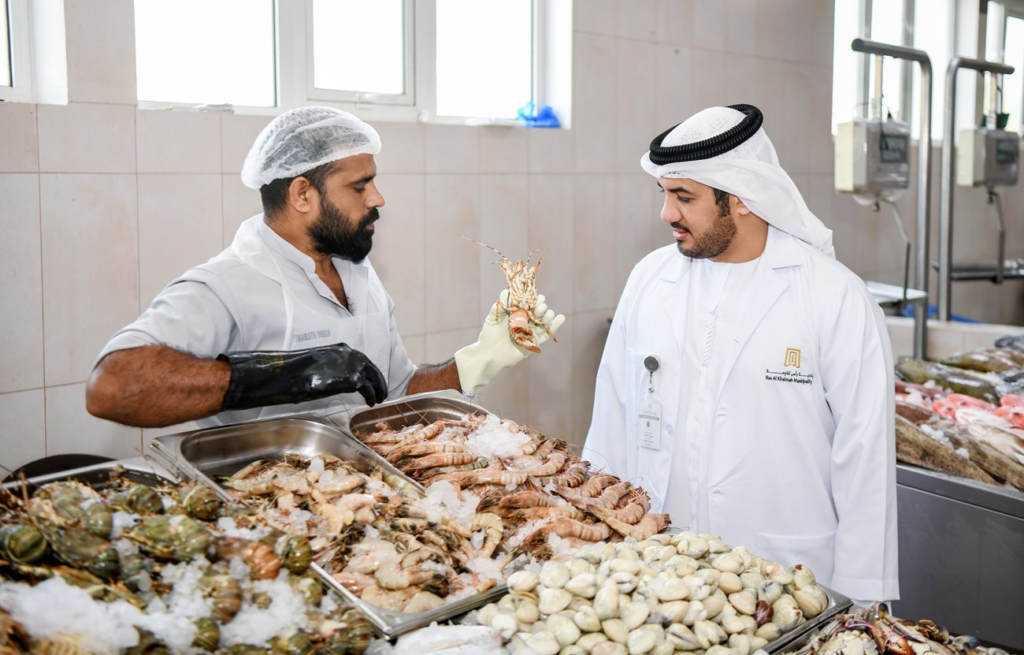
Inspectors now operate in three shifts, covering mornings, evenings, and overnight hours — the times when most Ramadan food prep actually happens. That’s when bulk cooking starts, storage areas fill up, and kitchens are under the most pressure.
High-risk kitchens under closer watch
Not all food outlets face the same risks, and the authorities know that.
The campaign puts extra focus on places that handle large volumes of food or prepare meals in bulk, including:
- Traditional kitchens
- Automated bakeries
- Confectionery shops
- Hypermarkets
- Large catering operations
- High-output food production units
These are the spaces where one small mistake can affect hundreds of people.
Temperature control is a major focus. So is food storage, hygiene, cross-contamination, and clean preparation surfaces. Inspectors are checking cold storage rooms, display fridges, preparation areas, and packaging practices — especially in places preparing desserts, dairy items, and ready-to-eat meals.
If you’ve ever walked past a busy bakery before iftar and seen trays lining up for hours, you’ll understand why this matters.
It’s not just inspections — it’s education
What makes this campaign different is that it’s not only about penalties and enforcement.
Before Ramadan even begins, food handlers and safety officers are being trained through pre-Ramadan workshops.
These sessions focus on real kitchen challenges:
- Handling bulk food safely
- Managing peak-hour pressure
- Safe storage during long shifts
- Preventing contamination
- Clean workflow systems
- Ramadan-specific operational risks
This matters because safety doesn’t start with inspectors — it starts with staff inside the kitchen.
The goal is to build habits, not fear. Strong systems. Clear routines. Better awareness. When kitchens understand the “why,” compliance becomes natural.
Clear rules for Ramadan dining
Authorities have also clarified restaurant regulations during the holy month.
Restaurants are allowed to serve food indoors during the daytime under existing rules.
But displaying food outside commercial premises is strictly prohibited during Ramadan.
This keeps public spaces respectful while allowing businesses to operate normally indoors — a balance many UAE cities now follow during Ramadan.
How does it matter for residents?
For residents and visitors, this campaign isn’t just policy talk. It affects daily life in real ways:
- Safer iftar meals
- Cleaner kitchens
- Lower risk of food poisoning
- Better hygiene in bakeries and cafés
- Higher accountability for food businesses
- More confidence when dining out
Ramadan is a social season. Families gather. Friends meet. Community iftars happen everywhere — from homes to mosques to tents to cafés. Food is at the centre of it all.
This campaign helps protect that experience.
This move also reflects a wider UAE trend: shifting from reactive enforcement to preventive public health.
Instead of waiting for problems, authorities are:
- Training staff early
- Monitoring consistently
- Targeting high-risk areas
- Educating businesses
- Building long-term compliance culture
It’s not just about Ramadan. It’s about setting standards that last all year.
The Ras Al Khaimah Ramadan food safety campaign isn’t flashy — and it doesn’t need to be. It’s practical, structured, and rooted in real-world kitchen operations.
With 24/7 inspections, high-risk outlet monitoring, preventive visits, and staff training, the emirate is creating a safer dining environment during one of the busiest food seasons of the year.
- For residents, it means peace of mind.
- For businesses, it means clarity.
- For the community, it means Ramadan stays focused on togetherness — not health risks.
The Ras Al Khaimah Ramadan food safety campaign reflects a proactive, structured approach to public health. With 24/7 inspections, targeted monitoring of high-risk outlets, preventive visits, and staff training, authorities are setting clear standards for food safety during the holy month.
For residents, it means greater confidence when dining out. For businesses, it means clearer rules, better guidance, and stronger accountability. And for the wider community, it ensures that Ramadan remains a time of togetherness, not health risks.
Follow Social Kandura for more updates on local news and things to do in Dubai and across the UAE.
Read More


