
Ramadan is the holiest month in Islam and one of the most meaningful periods of the year in the UAE. It follows the Islamic lunar calendar and begins with the sighting of the crescent moon. Because of this, the exact Ramadan Eid date changes every year.
In the UAE, Ramadan goes beyond religion. It directly shapes daily life. Work hours change. Schools adjust schedules. Cities like Dubai slow down during the day and come alive after sunset. The month reflects values that are central to Emirati culture, including respect, generosity, and community spirit.
During Ramadan, Muslims fast from dawn to sunset. This includes avoiding food, drinks, and smoking during daylight hours. But fasting is only one part of the month. Ramadan is also about discipline, patience, prayer, and compassion.
Whether someone is fasting or not, Ramadan Eid in Dubai is felt everywhere, from quieter mornings on Sheikh Zayed Road to busy iftar tables across the city.
How Ramadan is observed in Dubai and across the UAE?
Daily fasting, prayers, and routine changes
Each day of Ramadan begins with Suhoor, a meal eaten before dawn. The fast is broken at sunset with Iftar, traditionally starting with dates and water. The sound of the Maghrib prayer marks this moment across neighbourhoods.
Mosques stay busy throughout the month, especially in the evenings. Taraweeh prayers, held after Isha prayer, see large gatherings in mosques across Dubai, Sharjah, and Abu Dhabi.
Working hours are officially reduced in both the public and private sectors. Restaurants remain open during the day but operate discreetly. After sunset, cafés, food courts, and delivery apps experience their busiest hours.
Public behaviour also changes slightly. Eating or drinking in public during fasting hours is discouraged. This shared understanding reflects the UAE’s culture of mutual respect.
Charity and community during Ramadan
Charity is a major part of Ramadan Eid UAE traditions. Giving to those in need is strongly encouraged, whether through Zakat, food donations, or volunteering.
Across Dubai, large iftar tents provide free meals to workers and families. Food box distributions and charity campaigns are organised by government bodies, private companies, and local organisations.
This focus on giving is not limited to one community. Many residents, regardless of background, take part in donation drives or volunteer work. Ramadan becomes a time when the city feels more connected and generous.
What Eid Al Fitr represents after Ramadan?
The meaning of Eid Al Fitr
Eid Al Fitr marks the end of Ramadan and the completion of a month of fasting. It begins with the sighting of the Shawwal moon. The official Ramadan Eid date is announced by UAE authorities based on moon sightings.
For Ramadan Eid 2026, Eid Al Fitr is expected to fall around late March or early April, depending on the moon sighting. Final dates will be officially confirmed closer to the time.
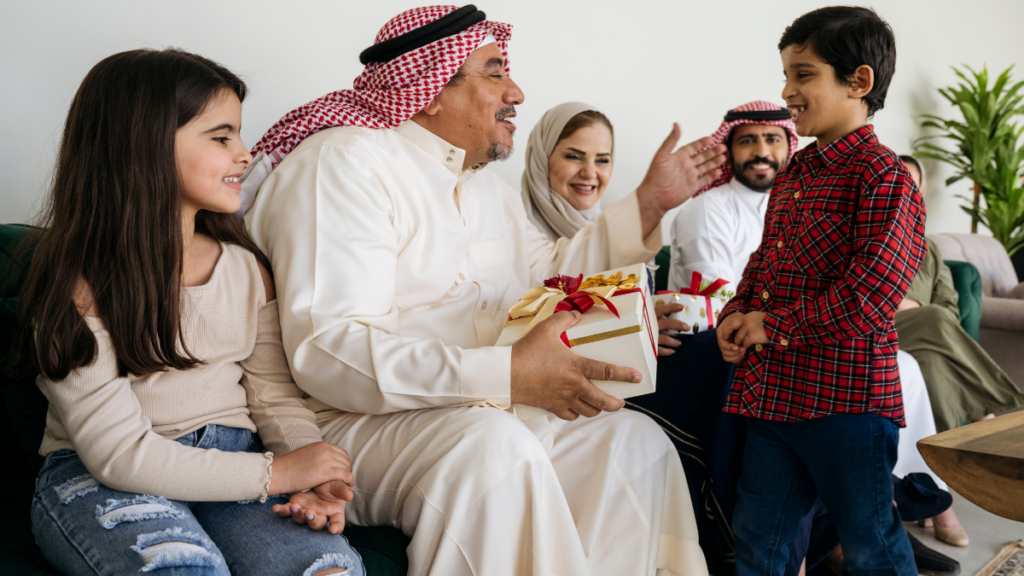
Eid begins with special morning prayers held at mosques and open prayer grounds. Families gather, exchange greetings, and celebrate together.
How Ramadan Eid celebration looks in the UAE?
Ramadan Eid celebration in the UAE blends religious tradition with local culture. Homes are cleaned and prepared ahead of Eid. New clothes are worn. Traditional dishes are prepared and shared with family and guests.
Children receive Eidiya, usually money given by elders. This remains one of the most loved Eid traditions across Emirati and expat households.
Dubai sees a noticeable shift during Eid. Shopping malls are decorated. Attractions extend hours. Hotels and resorts offer Eid staycations and family packages. Many residents use the public holidays to travel or enjoy time together at home.
Ramadan Eid in Dubai is also a busy period for tourism, with visitors experiencing the city at its most festive and welcoming.
Ramadan and Eid matter beyond religion
Ramadan Eid UAE is significant not only for Muslims but for the entire country. The UAE’s diverse population experiences the season together, whether through shared iftars, adjusted work schedules, or Eid holidays.
Non-Muslim residents often join colleagues for iftar meals and take part in Eid celebrations. This shared experience reflects the UAE’s commitment to tolerance and cultural understanding.
The season also impacts business, travel, and lifestyle trends. From food and lifestyle campaigns to travel bookings and retail offers, Ramadan and Eid influence nearly every sector.
For many, it is a time to slow down, reflect, and reconnect with family and community.
Ramadan and Eid are deeply woven into life in the UAE. They represent faith, generosity, patience, and togetherness. From the calm days of fasting to the joyful moments of Eid, the season leaves a lasting mark on the country.
Understanding Ramadan Eid in UAE helps residents and visitors connect better with local culture and values. It is more than a religious observance. It is a shared experience that brings people together every year.
Follow Social Kandura for more updates on local news, things to do, Travel, Bollywood, and food and lifestyle stories across Dubai and the UAE.
Read More About Ramadan:
- Ramadan 2026 in UAE: Expected Start Date, Fasting Hours and Eid Holidays
- Ramadan 2026 Dates Just Predicted – And UAE Might Be Looking at a Mega Long Weekend
- Ramadan 2026 Set to Begin Mid-February in the UAE
- Expected Dates Announced by Emirates Astronomy Society for Eid & Ramadan 2026
- Ramadan & Eid Gifts Ideas for every budget
- Top Family-Friendly Activities to Enjoy During the Eid al-Fitr Long Weekend


