

Ramadan in Dubai feels different. The mornings are quieter. Afternoons slow down. Then, just before sunset, the city softens. Roads calm. Homes glow. Tables fill.
But fasting well in the UAE is not only about tradition. It is also about understanding how food works with long hours, warm weather, and busy routines. What you eat at Suhoor decides how the day unfolds. What you eat at Iftar decides how the night feels.
For Ramadan 2026, think less about restriction and more about rhythm. These healthy fasting tips focus on balance, comfort, and foods that actually support the body — without taking away the joy of Ramadan meals.
Suhoor Should Feel Steady, Not Heavy

Suhoor is quiet in Dubai. Streets are calm. Kitchens are softly lit. This is not the time for rushed eating.
The goal is slow energy. Foods like oats, whole wheat bread, brown rice, or lightly prepared balaleet release energy gradually and help manage hunger through the day.
Add protein. Eggs, labneh, Greek yoghurt, or hummus work well. They keep you fuller for longer and prevent sudden energy dips by mid-morning.
Sweet, processed options may feel comforting at the moment but usually lead to thirst and fatigue later.
Hydration Starts Before Sunrise

Waiting until Iftar to drink water is a common mistake.
At Suhoor, sip water slowly. Two to three glasses are enough if taken calmly. Laban or coconut water can help replace electrolytes, especially for those who move around a lot during the day.
Strong coffee and karak may be tempting, but they increase dehydration. If caffeine is needed, keep it mild and limited.
Break the Fast the Traditional Way — Gently
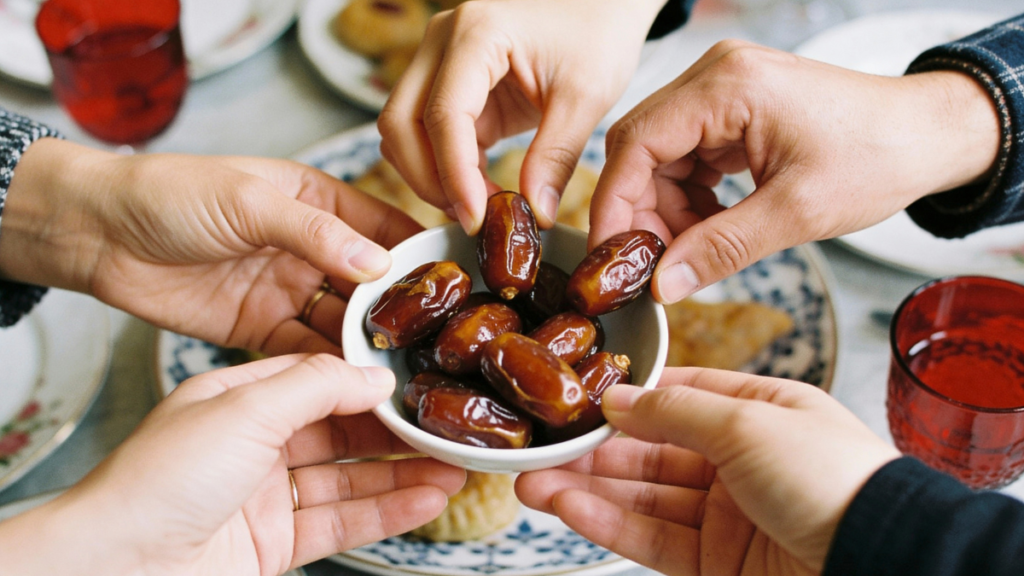
Dates are more than tradition. They work.
One or three dates provide natural sugar and fibre, helping the body transition smoothly after fasting. Pair them with water or laban, then pause.
That short break before the main meal helps digestion and reduces the urge to overeat.
Start Iftar Light Before Going All In
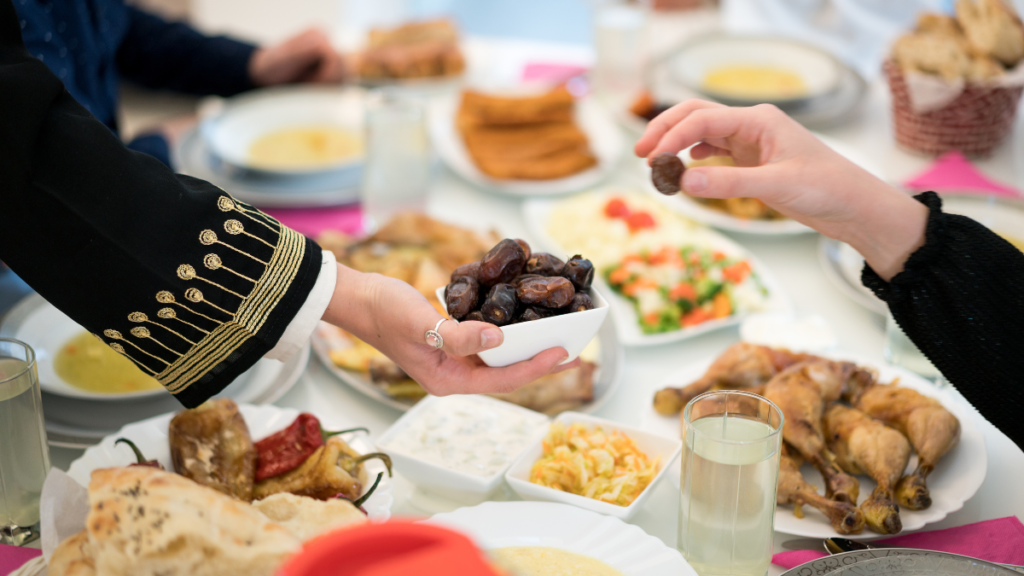
Dubai Iftars can be generous. Buffets, home spreads, shared plates. Everything looks tempting.
Start small. A warm lentil soup. Vegetable broth. Or a simple salad with olive oil and lemon. These wake up digestion without shocking the system.
Once the body settles, move on to mains. The meal feels more enjoyable and far less heavy.
Fried Foods Belong in Moderation

Samosas. Spring rolls. Luqaimat. They are part of the Ramadan experience, especially at family gatherings.
Enjoy them — just not in large portions. Too much fried food leads to bloating, fatigue, and restless nights.
Balance the plate with grilled, baked, or slow-cooked dishes. Your energy levels will thank you later.
Protein Keeps Fasting Comfortable
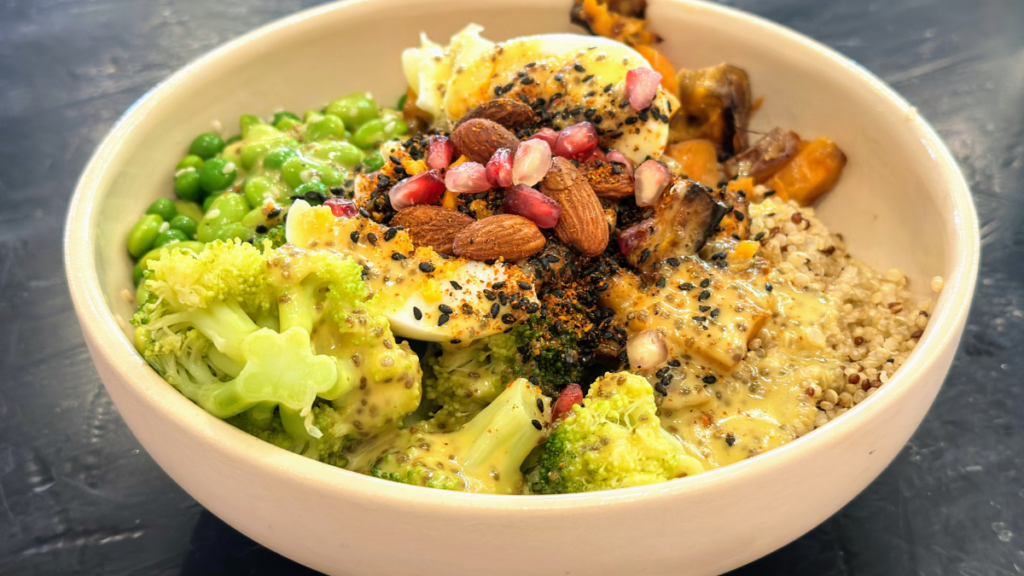
Protein often gets overlooked during Ramadan meals.
At Iftar, include grilled chicken, fish, lentils, chickpeas, or traditional dishes like harees prepared with balance. Protein helps control blood sugar and prevents late-night hunger.
At Suhoor, it is essential. Eggs, yoghurt, seeds, or nut butter help the body cope with long fasting hours far better than carbs alone.
Vegetables Add Lightness to Heavy Meals
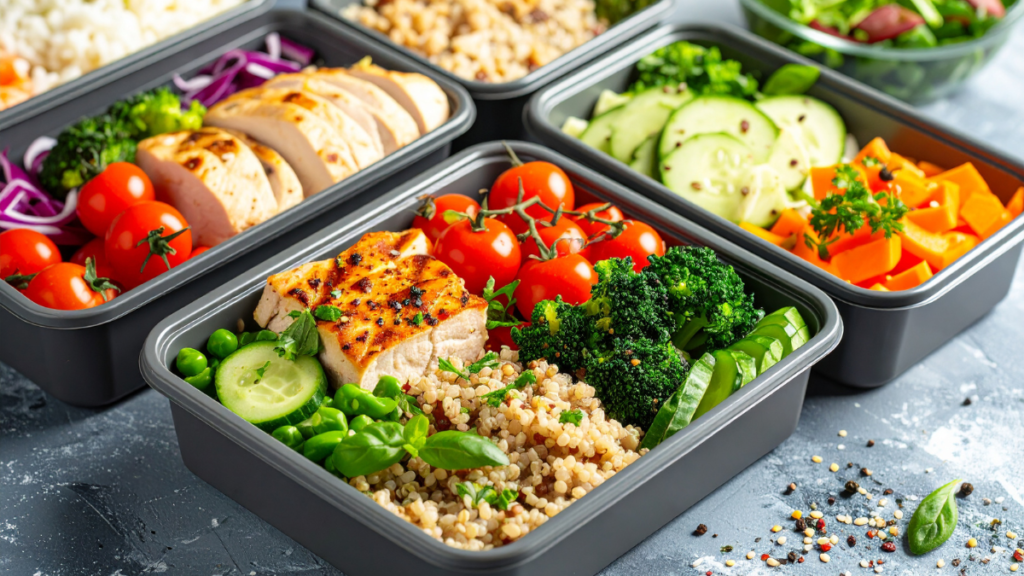
Vegetables bring hydration, fibre, and freshness — all important during fasting.
Add salads, roasted vegetables, or soups to Iftar plates. Cucumbers, tomatoes, spinach, carrots, and zucchini work beautifully with Middle Eastern flavours.
They make rich meals feel lighter and digestion smoother.
Choose Desserts With Intention
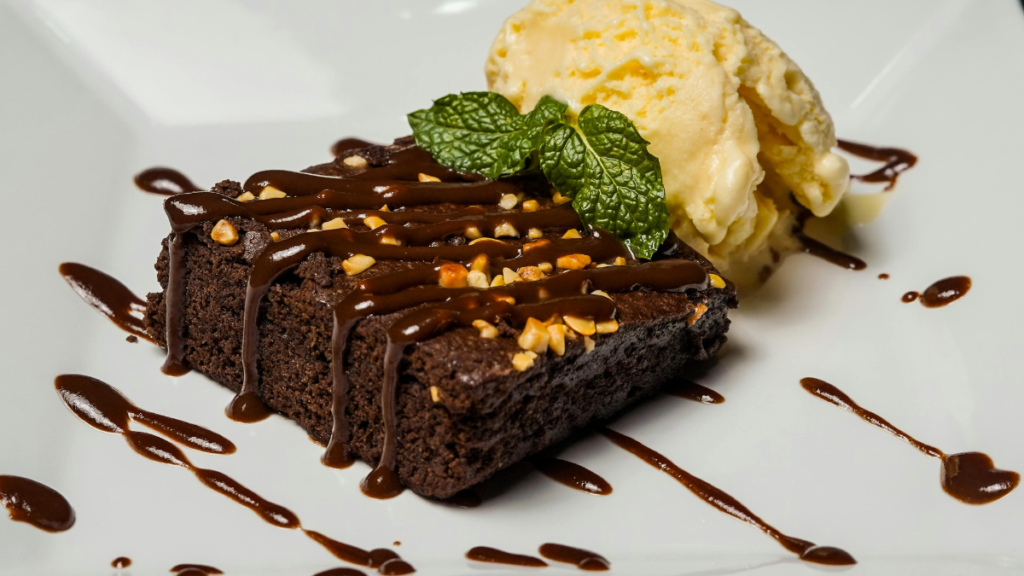
Ramadan desserts are hard to resist, especially after a long day.
Instead of skipping them entirely, share portions or enjoy them occasionally. Some nights, switch to fruit, yoghurt with honey, or dates with nuts.
This keeps sugar intake in check and sleep more restful.
Late Nights Need Smarter Snacking

Dubai stays awake during Ramadan. Cafes fill up. Conversations stretch until Suhoor.
If hunger strikes late, reach for nuts, fruit, or yoghurt instead of packaged snacks. Eat slowly. Pay attention to actual hunger, not habit.
Gentle Movement Makes a Difference

Ramadan is not the season for intense workouts.
Light walks after Iftar, gentle stretching, or relaxed strolls along JBR or neighbourhood streets help digestion and improve sleep.
Movement should feel calming, not demanding.
Healthy fasting during Ramadan 2026 is about listening to the body while honouring tradition. With balanced Suhoor choices, mindful Iftars, and steady hydration, fasting feels more peaceful and sustainable — even in the UAE heat.
Food still brings people together. Tables stay full. But the body feels supported, not overwhelmed.
Follow Social Kandura for more updates on local news Ramadan Eid and things to do in Dubai and across the UAE.
Read More


