
Ramadan in Dubai has its own rhythm. The call to prayer echoes across neighbourhoods. Families gather after iftar. Mosques stay full late into the night.
This year, children will once again have something special to look forward to. The Dubai Ramadan passport stamps scheme has officially returned — and it is bigger than before.
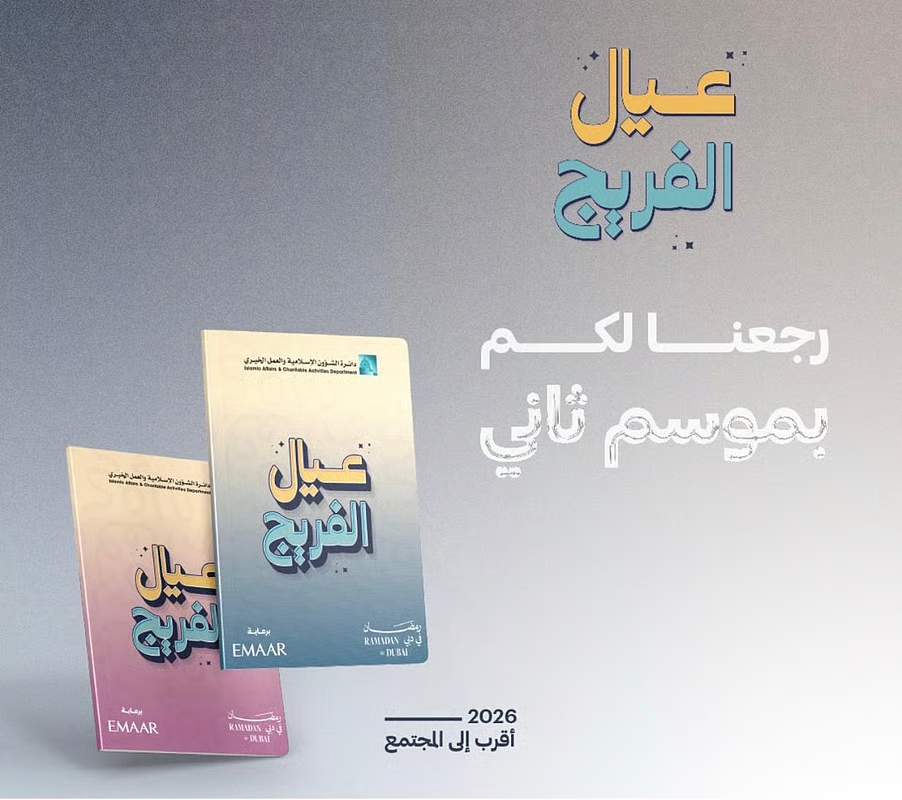
The Ayal Al-Freej programme will run in more than 300 mosques across the emirate throughout Ramadan 2026. The initiative encourages children ages 6 to 12 to attend Tharaweeh prayers and collect stamps in their very own Ramadan “passport.”
With Ramadan expected to begin on February 18 or 19, subject to moon sighting, families are already preparing for the holy month. For many parents, this initiative offers a simple way to make mosque visits part of their child’s routine.
A Bigger Rollout Across Dubai Communities
The programme is organised by the Islamic Affairs and Charitable Activities Department (IACAD). After seeing strong participation last year, the department has expanded the initiative significantly.
In 2025, the scheme covered 180 mosques and welcomed more than 2,000 children in the first week alone. This Ramadan, it will extend to over 300 mosques across Dubai — from Al Barsha to Mirdif, Deira to Jumeirah.
That wider reach means more families can take part close to home.
The idea is straightforward. Children receive a passport booklet from participating mosques. Each evening they attend Tharaweeh prayers, the imam stamps their passport. By the end of the month, the booklet becomes a record of their consistency and effort.
It may seem small, but for children, it makes a difference. A stamp becomes something to earn. And earning it means showing up.
How Children Can Take Part?
Passports began rolling out on February 14 and will continue to be distributed throughout Ramadan at participating mosques.
To join, children must register using a designated code provided at the mosque. There is also a dress requirement to reflect tradition and respect for the setting. Boys are expected to wear a kandura and ghutra, while girls should wear the national dress with a hijab.
The focus is clear — encourage discipline and build a connection with prayer from a young age.
Children are expected to attend Tharaweeh prayers at their nearest mosque daily. After the prayer, the imam places a stamp in their passport.
Over time, this simple act creates routine. Many parents say it helps children understand the importance of commitment during Ramadan.
And in Dubai, where evenings are often busy with malls and gatherings, this gives families a faith-focused activity to centre their nights around.
Ice Cream Trucks and Small Surprises
Ramadan in Dubai is not only spiritual; it is also community-driven. Walk outside a mosque after prayers, and you will see families chatting, children running around, and neighbours greeting each other.
This year, IACAD is adding an extra touch to that atmosphere.
A Ramadan-themed ice cream truck will visit selected mosques across the city. Children participating in the programme will receive sweet treats, creating a festive mood after prayers. Locations will be shared on the department’s social channels.
It is a simple gesture, but it adds warmth to the experience. For children, Ramadan memories are often tied to small details — the mosque lights, late-night drives, and moments shared with friends.
IACAD has also promised additional surprises at some mosques, though details have not been revealed yet.
Part of the Wider Season of Wulfa
Ayal Al-Freej sits under the larger Season of Wulfa initiative, overseen by Latifa bint Mohammed bin Rashid Al Maktoum.
Season of Wulfa celebrates cultural moments such as Haq Al Leila, Ramadan, and Eid. The aim is to strengthen family ties and preserve traditions across generations.
The word “Wulfa” reflects closeness and unity — values that are deeply felt during Ramadan in the UAE.
From community iftars to charitable drives, the month always carries a strong sense of togetherness. The passport scheme adds a child-focused layer to that spirit.
It gives young residents a role to play, instead of simply observing from the side.
Young Voices Leading the Call to Prayer
In addition to the passport scheme, IACAD has continued its Muezzin Al Freej competition. First launched in 2023, the initiative trains young boys to deliver the call to prayer.
This year, 20 winners have been selected. During Ramadan, they will raise the adhan at mosques across Dubai.
For the boys involved, it is an honour. For families, it is a proud moment. And for the wider community, it reinforces the goal of nurturing faith early.
Impact on people in Dubai
At first glance, the Dubai Ramadan passport stamps scheme may look like a children’s activity. But its impact goes deeper.
It encourages structure during a month when routines shift. It builds familiarity with the mosque environment. It connects children to traditions in a city that continues to grow and modernise.
Dubai has always found ways to blend culture with creativity. From Ramadan markets to heritage events, the city ensures younger generations stay connected to their roots.
This initiative follows the same approach. Simple. Practical. Meaningful.
As Ramadan approaches, families across Dubai are planning their evenings — from iftar gatherings to mosque visits. For many households, this passport scheme will now be part of that plan.
Follow Social Kandura for more updates on local news, things to do, travel, Bollywood, food and lifestyle across Dubai and the UAE.
Read More
- Dubai Ramadan passport
- Dubai Ramadan passport stamps scheme
- Dubai Ramadan Passport Updates
- Dubai’s Ramadan
- Dubai’s Ramadan Passport
- Dubai’s Ramadan Passport for Kids
- Passport for Kids in Ramdan
- Passport Kids in Ramadan
- people in Dubai
- Ramadan 2026
- ramadan in dubai
- Social Kandura Media News
- Social Kandura Media Updates


