

Dubai is exploring a new way to manage rainwater, urban flooding, and long-term sustainability — and it’s taking inspiration from one of Asia’s most advanced cities.
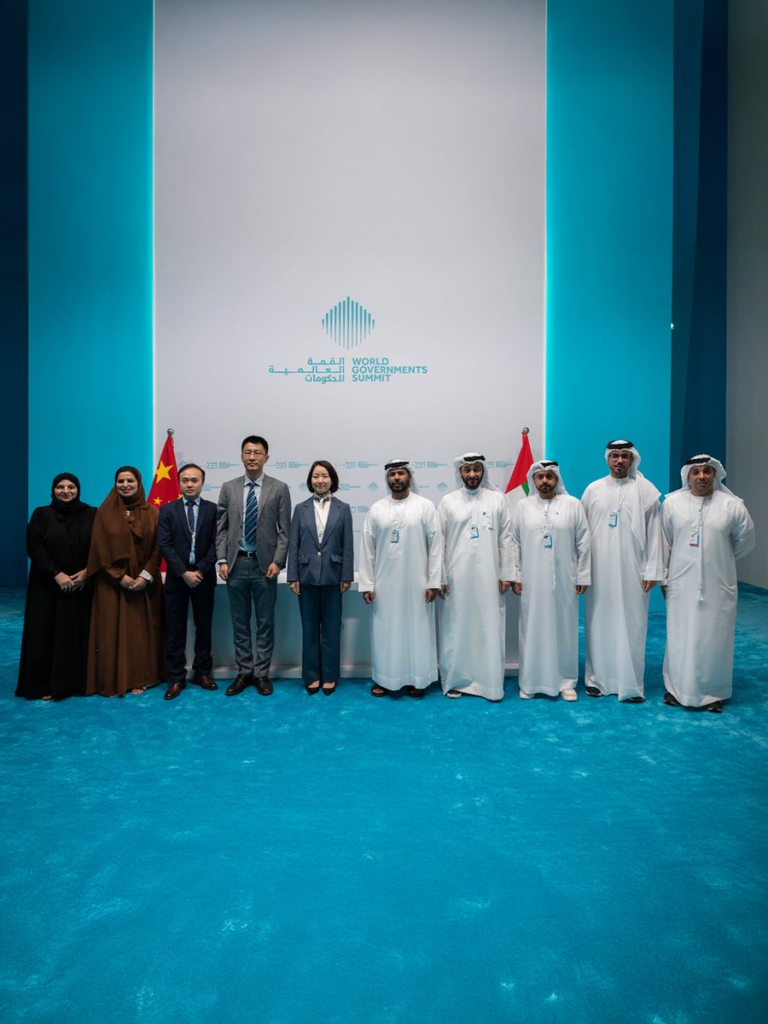
At the World Governments Summit 2026, Dubai Municipality signed a Memorandum of Understanding (MoU) with the Urban Planning and Design Institute of Shenzhen (UPDIS). The partnership centre
s on adopting elements of the sponge city model, along with broader collaboration on smart cities, low-carbon development, and future-focused infrastructure.
The idea is simple but powerful. Instead of rushing rainwater into drains and tunnels, cities are designed to absorb it, store it, clean it, and reuse it where possible.
For a city like Dubai — fast-growing, climate-aware, and planning decades — the model fits naturally into its long-term urban vision.
What Exactly Is a Sponge City?
A sponge city works the way it sounds.
Rather than relying only on concrete drains and pipes, the city uses green roofs, landscaped parks, permeable pavements, open soil areas, and underground storage systems to soak up rainwater. The water is then released slowly or reused when needed.
This approach reduces flooding, eases pressure on drainage systems, and supports greener neighbourhoods.
While Dubai doesn’t see frequent rainfall, sudden downpours are becoming more intense. Anyone who has lived in the city long enough has seen how a short spell of heavy rain can disrupt traffic and daily routines. Sponge city planning helps cities prepare for those moments, without overbuilding hard infrastructure.
It also supports Dubai’s wider goals around sustainability, liveability, and climate resilience — themes that are already shaping new communities across the emirate.
Why Shenzhen? A City, Dubai, Relates To?
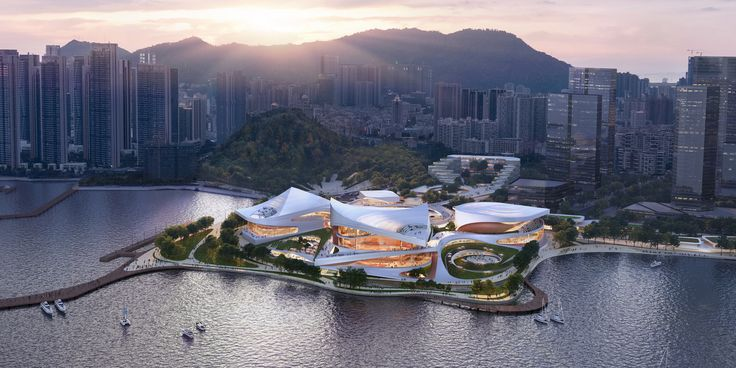
Shenzhen isn’t a random choice.
Like Dubai, it is a relatively young city that has grown at speed. Both cities expanded rapidly, built complex transport networks in a short time, and now face the challenge of making growth more sustainable.
Dubai officials first explored Shenzhen’s sponge city projects during a high-level delegation visit in February 2025. The visit highlighted how Shenzhen combines water-sensitive design with smart technology and data-driven planning.
The similarities were clear. Dense urban areas. High expectations from residents. And a shared need to balance growth with quality of life.
This MoU formalises that shared learning.
What the Partnership Covers?
The agreement sets up a structured framework for cooperation between Dubai Municipality and UPDIS, with a strong focus on practical urban outcomes.
Key areas include:
- Sponge city concepts adapted to Dubai’s climate
- Smart and sustainable urban planning
- Low-carbon city development
- Transit-oriented and compact urban design
- Advanced infrastructure systems
Both sides will work on blending global best practices with Dubai’s local planning standards, ensuring ideas are realistic, scalable, and aligned with existing development plans.
The collaboration also looks at how emerging technologies — including artificial intelligence, spatial analysis tools, and data-driven planning systems — can improve how cities are designed, built, and managed.
This fits into Dubai’s broader push towards smarter city operations, from transport to utilities to public services.
Smarter Infrastructure, Below and Above Ground
Infrastructure is a major part of the agreement.
The MoU includes cooperation on next-generation systems such as AI-powered water management, integrated underground services, and advanced ICT networks supported by 5G.
For residents, this kind of planning often goes unnoticed — and that’s the point. Better infrastructure means fewer disruptions, smoother services, and cities that quietly adapt to changing conditions.
It also means Dubai is planning, rather than reacting later.
The partnership includes annual joint reviews, allowing both sides to assess progress and refine priorities as urban needs evolve.
What Dubai Municipality Is Saying?
Marwan Ahmed bin Ghalita, Director General of Dubai Municipality, said the agreement reflects Dubai’s commitment to learning from global urban leaders while sharing its own experience on the international stage.
He noted that the partnership strengthens Dubai’s ability to deliver smart, sustainable, and people-focused urban environments, while improving the quality of life for residents.
The World Governments Summit, he added, provides the right setting for such cooperation — bringing together cities that are actively shaping how people will live in the future.
A Long-Term Exchange
From Shenzhen’s side, UPDIS President Yu Lu highlighted how both cities share similar development paths and ambitions.
She described the MoU not just as a technical agreement, but as a long-term framework for cooperation. Beyond planning and design, it could expand into training programmes, research initiatives, and knowledge exchange between professionals in both cities.
UPDIS has more than three decades of experience in urban planning and plays an active role in international collaboration on city governance and innovation.
How This Fits Dubai’s Bigger Picture?
This partnership supports Dubai Municipality’s wider mandate under the Dubai 2040 Urban Master Plan, which aims to create a more sustainable, connected, and people-friendly city.
From walkable neighbourhoods to smarter transport and climate-ready infrastructure, Dubai’s planning focus is shifting from speed to quality — without slowing momentum.
By exploring global models like the sponge city approach, Dubai continues to test ideas that can be adapted locally, rather than copied blindly.
Dubai’s decision to explore sponge city planning through a Shenzhen partnership shows how the city is thinking ahead — calmly, practically, and with long-term impact in mind.
It’s not about copying another city. It’s about learning, adapting, and building urban spaces that work better for people who live here.
As Dubai grows, partnerships like this help ensure the city remains resilient, efficient, and ready for whatever comes next.
Follow Social Kandura for more updates on local news, things to do, travel, Bollywood, food and lifestyle across Dubai and the UAE.
Read More


