

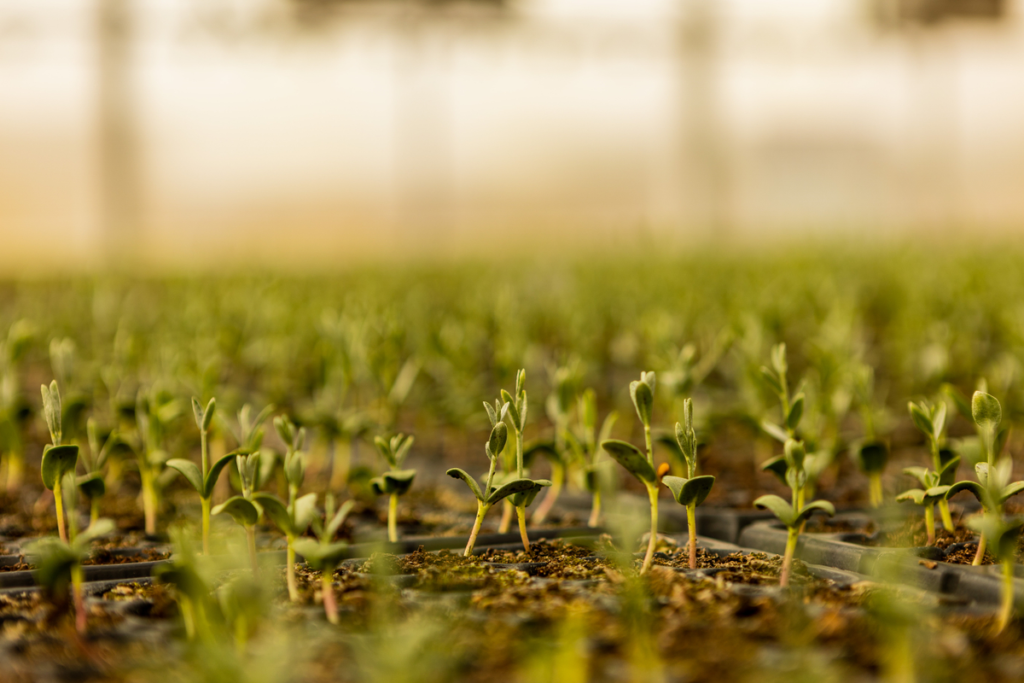
A major sustainability milestone has just been reached in AlUla, where more than one million native seedlings have been produced to help restore the region’s natural environment and enhance visitor experiences.
The AlUla native plants initiative is part of a wider environmental strategy led by the Royal Commission for AlUla (RCU), supporting Saudi Arabia’s push towards sustainable tourism under Saudi Vision 2030.
From luxury resorts to heritage landmarks, these native plants are already reshaping how visitors experience this historic destination.
More Than 140,000 Plants Already Transforming Visitor Spaces
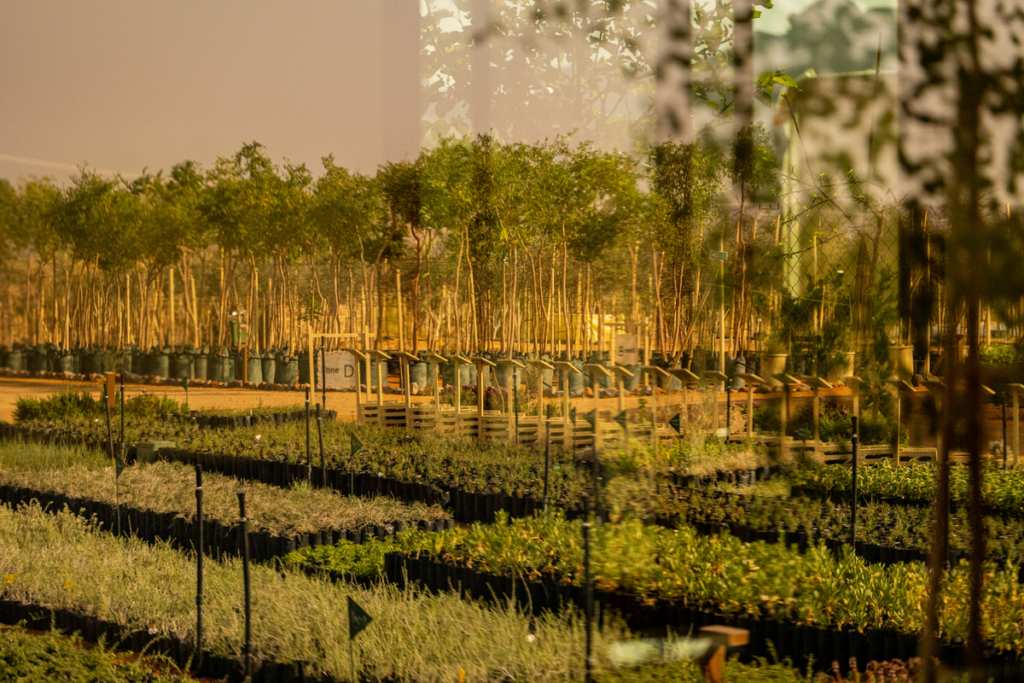
The scale of the project is already visible across major tourism and cultural locations in AlUla. More than 140,000 native plants have been planted outside protected nature reserves, including at tourism developments, heritage landmarks, and visitor infrastructure projects.
Key heritage locations such as Hegra, Dadan, and AlUla Old Town are now benefiting from carefully planned landscaping that uses native species. These additions don’t just beautify the sites — they also reflect the natural environment that existed there thousands of years ago.
Across five-star boutique resorts and public spaces, the integration of native greenery is enhancing outdoor experiences for visitors while maintaining environmental balance.
For travellers from the UAE, especially those increasingly seeking eco-conscious getaways, destinations like AlUla are becoming appealing alternatives to traditional city breaks.
A Long-Term Plan to Restore 65,000 Hectares of Land
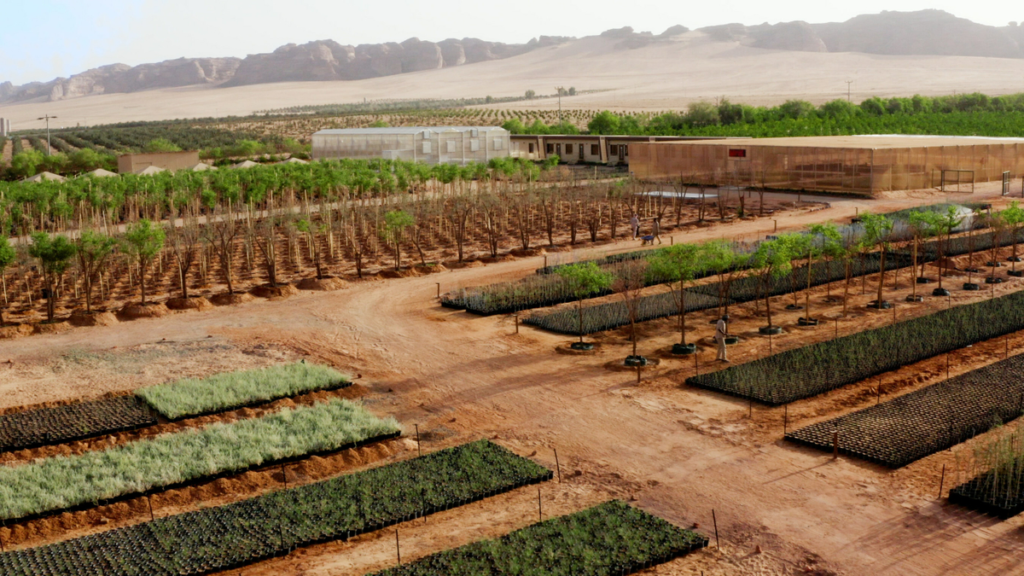
This initiative is not just about landscaping — it forms the backbone of a long-term ecological restoration plan.
AlUla aims to rehabilitate 65,000 hectares of degraded land by 2030, transforming once-damaged landscapes into thriving natural habitats. The effort supports wider conservation programmes, including rewilding endangered wildlife.
Species such as the Arabian Leopard, Arabian Oryx, and Red-necked Ostrich are part of these restoration plans. Reintroducing native plants helps rebuild natural ecosystems that these animals depend on for survival.
The plants are cultivated at the AlUla Native Plant Nursery and Seedbank, which plays a critical role in ensuring only species suited to the harsh desert environment are used.
Experts say this scientific approach strengthens biodiversity and improves the resilience of local ecosystems.
A Royal Visit Highlights Global Attention on Restoration
The importance of the restoration programme gained international attention during a recent high-profile visit.
In February 2026, Prince William participated in the restoration effort by planting an acacia tree inside Sharaan National Park.
His participation symbolised growing global interest in conservation-led tourism.
So far, more than half a million native saplings have already been planted inside Sharaan National Park — one of AlUla’s flagship protected areas.
Such initiatives highlight how conservation and tourism can coexist, creating experiences that are both memorable and environmentally responsible.
Reviving Ancient Trade Routes Through Nature
Native plants have always played a vital role in AlUla’s history. Archaeological discoveries show that past civilisations relied on local flora for food, medicine, shelter, and trade.
Located along the historic Incense Road, AlUla was once known for trading aromatic plants and exotic goods across vast distances.
These natural resources helped cities like Hegra flourish, making them important hubs of commerce and culture.
Today, visitors exploring AlUla can witness this historical connection between people and plants through curated landscapes and educational experiences.
By combining ecological restoration with storytelling, the region is creating immersive tourism experiences that go beyond traditional sightseeing.
Supporting Saudi Arabia’s Sustainable Tourism Vision
The AlUla native plants initiative also aligns closely with broader national strategies.
Saudi Arabia’s Saudi Green Initiative and Saudi Vision 2030 aim to balance tourism growth with environmental protection.
Officials behind the programme emphasise that integrating native flora into hotels, heritage sites, and public spaces helps preserve local identity while delivering authentic visitor experiences.
This approach mirrors a growing regional trend seen across the UAE as well, where sustainable tourism is becoming a key focus — from eco-resorts to conservation-driven attractions.
For UAE travellers, this means more opportunities to explore destinations that prioritise nature, heritage, and responsible development.
The milestone of producing one million native plants marks a significant step in transforming AlUla into a model for sustainable tourism and environmental restoration.
By restoring landscapes, protecting wildlife, and preserving historical connections to nature, the AlUla native plants initiative is setting new standards for how tourism destinations can grow responsibly.
As sustainability becomes a top priority for travellers across the UAE and the wider GCC, projects like this demonstrate how nature and tourism can thrive together.
For more, visit: www.experiencealula.com
Follow Social Kandura for more updates on local news and things to do in Dubai and across the UAE.


