
The Al Dhaid Honey Festival is back in Sharjah, giving residents across the UAE a chance to explore some of the finest locally sourced honey under one roof. Held at Expo Al Dhaid until December 7, the annual event brings together beekeepers, traders and long-established family producers, creating a space where visitors can taste, compare and buy fresh honey straight from the people who make it. For many regular visitors, it’s the easiest way to understand the origin, purity and value of every jar.
A Growing Festival With a Strong Local Spirit
The event, organised by the Sharjah Chamber of Commerce and Industry, has evolved into a key meeting point for honey enthusiasts. What makes it stand out is its straightforward, community-driven setup. There are no complicated displays or commercial distractions—just producers sharing their craft, their harvest and the stories behind each variety.
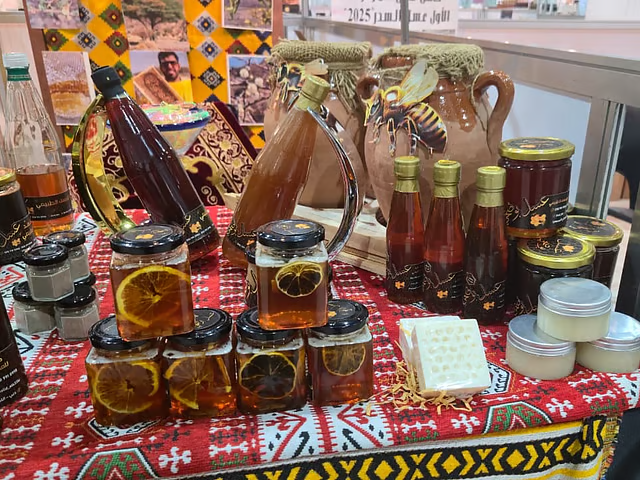
This year’s edition hosts over 70 exhibitors, including specialised honey companies, independent beekeepers and long-running family businesses. Visitors can walk through the rows of stalls and experience a range of flavours, from classic Emirati honey to limited-batch blends rarely found in stores across the UAE. Many of these sellers have been working with bees for decades, and the festival offers a rare chance to speak directly with them about cultivation techniques and seasonal differences.
This direct connection has become one of the festival’s biggest draws. With so many residents now preferring chemical-free, raw and unfiltered honey, events like this help buyers understand exactly what they’re taking home.
What’s Happening at This Year’s Festival?
The programme follows a packed schedule across the weekend. The official opening took place on Thursday at 4.30 pm, followed by the announcement of winners in the “Best Sidr Honey” competition. The contest is split between entries from UAE nationals and GCC participants, making it one of the festival’s most anticipated moments.
On Friday, judges name the winners of the “Best Honeycomb” competition—an award that celebrates natural honeycomb quality, clarity and traditional harvesting methods. The event wraps up on Saturday with results for the “Best Samar Honey” category, a highlight for producers known for working with rare Acacia varieties across the region.
These competitions are more than just prizes. They help visitors identify high-quality products and give smaller producers a platform to gain recognition. For new buyers or families exploring honey varieties for the first time, these awards act as a helpful guide.
Visitors can expect
One of the biggest reasons the Al Dhaid Honey Festival attracts people from Dubai, Sharjah and the northern emirates is the variety. It’s not a simple honey market—it’s a full mix of flavours, textures and combinations that suit both everyday use and special occasions.
Here’s a look at what stands out this year:
• Sidr Honey:
A lighter, smoother variety harvested from Sidr trees. It’s easy to incorporate into daily routines, from breakfast dishes to herbal drinks.
• Samar Honey:
Harvested from Acacia trees, Samar honey has a rich, earthy flavour. It’s considered one of the most prized varieties in the region and is often bought in limited quantities.
• Mangrove Honey:
Produced from mangrove-rich coastal areas, this honey has a naturally sharp yet sweet balance.
• Honeycomb with Honey Intact:
One of the festival’s most loved items, fresh honeycomb is sold for around Dh100, making it an affordable, natural treat for families. Many visitors buy it for its freshness and the unique experience of eating honey straight from the comb.
• Creative Honey Blends:
Producers are experimenting with flavours this year, offering blends like mangrove honey with cocoa for a chocolate-style spread and peanut butter honey for a richer breakfast option.
These blends aren’t just novelty items. They reflect a trend among UAE residents—especially families—who are looking for healthier alternatives to processed spreads. It’s the kind of product that fits well in a Dubai or Sharjah household, especially for those who prefer natural ingredients.
How Much Does the Honey Cost?
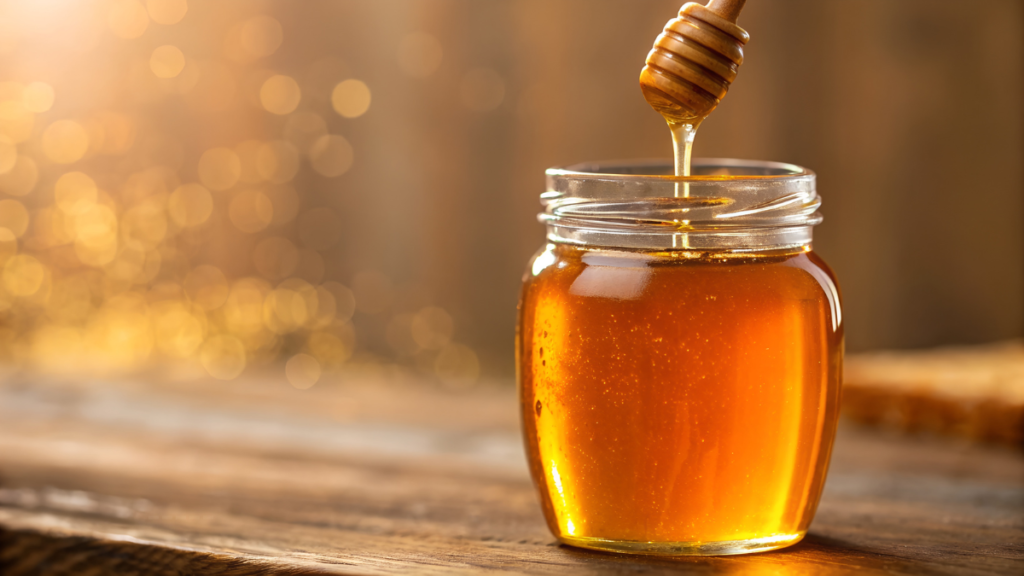
Prices vary based on type, purity and origin. Pure, organic honey starts from around Dh120 per kg and can go up to Dh300 or more, especially for Samar or premium Sidr varieties. The pricing reflects the harvesting process, which is slow, labour-intensive and highly dependent on seasonal bee behaviour.
Visitors looking to restock their home pantry choose Sidr for its daily-use versatility, while those buying gifts often prefer Samar honey for its deeper flavour and limited availability.
Events like the Al Dhaid Honey Festival are more than weekend outings. They support small producers, protect traditional beekeeping practices and introduce younger visitors to the region’s natural products. With many families choosing to buy locally sourced honey, the festival plays a role in keeping these homegrown businesses thriving.
For residents who appreciate natural foods or enjoy discovering new local flavours, the festival offers a simple, meaningful experience. It’s a reminder that some of the UAE’s best products are created in small batches by people who’ve spent years mastering their craft.
A honey enthusiast or someone simply looking for a relaxed weekend outing with a touch of local flavour, the Al Dhaid Honey Festival promises an experience worth making the trip for. The stalls, the conversations and the sheer variety of honey on display all highlight the charm of this annual event.
Read More:
- UAE Introduces Unified Passport and Emirates ID Renewal System That Cuts Time in Half – Social Kandura
- Freaks of Nature Riyadh is back this February with its biggest edition yet – Social Kandura
Follow Social Kandura for more updates on local news and things to do in Dubai and across the UAE.


